Last updated: March 20, 2026.
Many VeVe collectors still have artifacts saved from the Immutable X era: Immutascan links, old transaction hashes, Marketplace bookmarks, or screenshots from earlier verification routines. That is where a new blind spot is emerging. While VeVe has already fully migrated its collectibles to Collect Chain, Immutable is marking its legacy Immutable X features as deprecated.
First, the good news: This does not suddenly change everything about everyday VeVe use. Your collection remains in the app, and VeVe’s current on-chain activity is on Collect. The bad news: Legacy records from the IMX era could become harder to access if explorers or read interfaces disappear.
This guide separates panic from practical action. You’ll learn what is actually changing, why it expressly does not mean your NFTs are gone, and which legacy data you should consider archiving now while it is still easy to access.
TL;DR
- VeVe continues to work as usual for collectors; the platform has now fully migrated to Collect Chain.
- Legacy Immutable X explorers, read APIs, and IMX-based verification routines are deprecated and may eventually be removed.
- If you want to document legacy provenance, save screenshots, transaction hashes, dates, edition details, and purchase or sale records now.
- Collect is now the relevant reference for current on-chain verification, not the legacy IMX interface.
- Use only official VeVe, Collect, or Immutable channels for explorers, migration information, and support.
What Is Changing for VeVe Users—and What Is Not
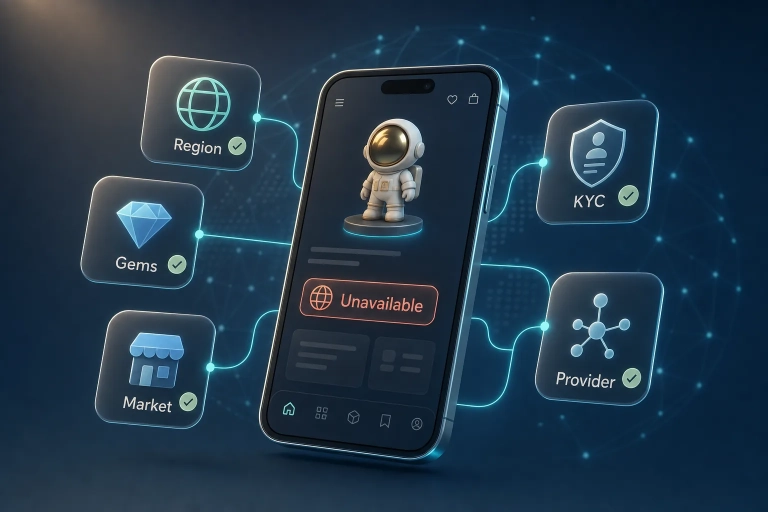
The key point: VeVe has already announced the completion of its migration to Collect Chain. For collectors, this primarily means that the app, your login, and the collecting experience you are used to will not suddenly disappear. The underlying technology has changed, not your everyday access to your collection.
If you only use the VeVe app to buy, sell, collect, and view your items, you do not automatically need to take action because of the IMX deprecation. It is a different story if you like to verify legacy provenance from the Immutable X era externally or want to retain those records for future disputes, documentation, or your own collection history.
The current rule is simple: Collect is the right reference point for new on-chain verification involving VeVe. If you need a practical introduction, see our Collect Block Explorer Guide. If you first want to separate what has been confirmed from what remains interpretation, also read Collect Chain: Confirmed vs. Speculation.

The Real Blind Spot: Your Legacy History From the Immutable X Era
Most current guides focus on the new Collect ecosystem. Less attention is being paid to what happens to the legacy verification layer: Immutascan links, old transfer histories, previous wallet events, IMX Marketplace records, or third-party tools built on legacy endpoints.
This layer is particularly sensitive because you may not need it for everyday app use, but it could become very important later. For example, you may need to establish older provenance, trace a payment, organize KYC records, document transactions for tax records, or show what happened and when during a support case or dispute.
In other words, your collectibles are not the bottleneck. Convenient access to legacy verification paths is. If you want to retain old IMX records, do not just bookmark them—actively archive them now.
Quick Start: How to Preserve Your Legacy Immutable X History
If you only want to spend 20 to 30 minutes, follow this routine. It is often enough to prevent a future search from turning into a stressful project.
Prioritize the Items That Matter Most
Do not start with your entire collection. Begin with the collectibles, comics, or artworks whose provenance, purchase price, or history matters most to you. These will usually be expensive purchases, older blue chips, rare editions, or items with many previous transfers.
Open Legacy IMX Records and Save What You Can See
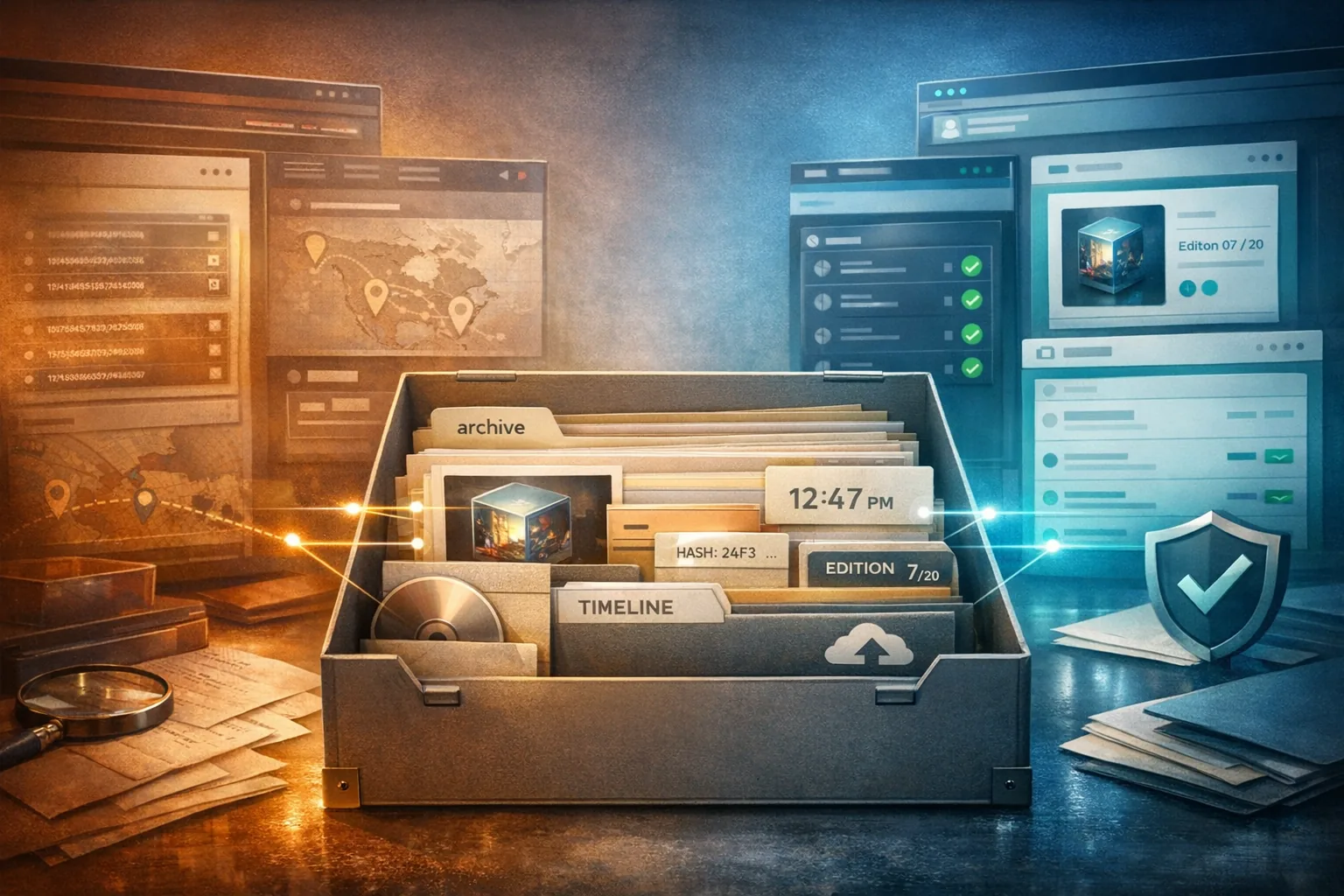
If you still have working Immutascan links, old tool views, or saved hashes, open them now. Take full screenshots rather than small crops so the date, hash, event type, and visible context are all preserved.
Record the Item’s Key Details
For every important item, record at least its name, brand or series, rarity, edition or serial number, VeVe context, and a brief note of your own. A screenshot without a label will be much less useful later than a clearly named record.
Preserve the Legacy Event Data
When visible, record the transfer type, transaction hash, date, participating addresses or accounts, and the sequence of important events. This data is often the actual evidence you will need later if you want to show that an item was under your control at a particular time or passed through a specific point.
Add Purchase, Sale, and Payment Records
Find the corresponding emails, invoices, withdrawal records, or deposit records and place them in the same file for the item. Documentation is not limited to chain data; it also includes the transaction context surrounding a purchase, sale, or withdrawal.
Create a Simple Folder Structure
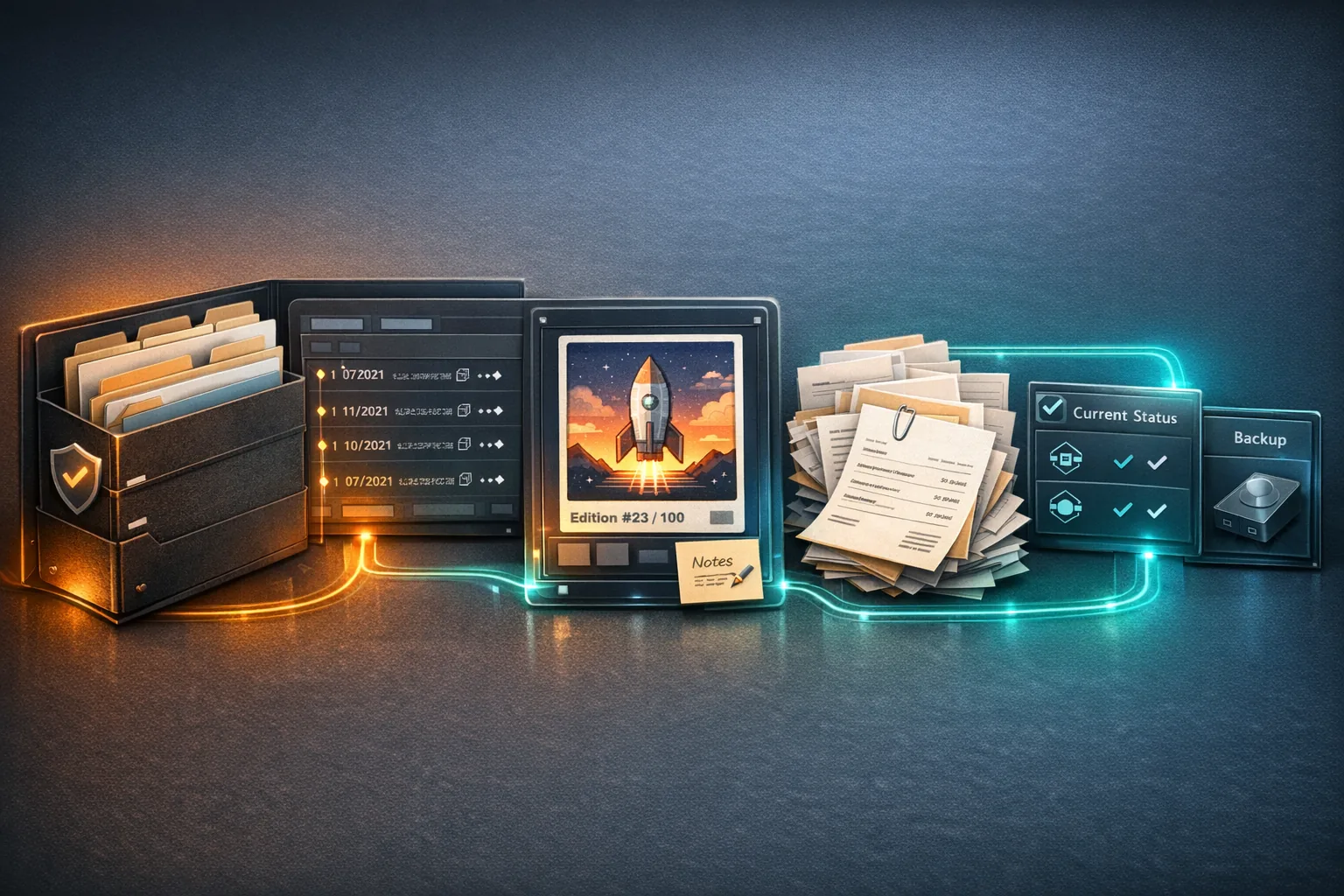
Create one main folder with subfolders for screenshots, records, notes, and export files. Name each file so you will still understand it six months from now—for example, by collection, item, date, and event type.
Compare the Legacy Record With the Current Collect Status
When you are finished, check the current view on Collect as well. This separates legacy IMX history from the current on-chain record. If you are unsure what you need to do yourself, see the Collect Chain Migration FAQ.
Collector Checklist for Legacy VeVe Provenance
- Screenshot of the legacy IMX history with the date and context visible
- Transaction hash or event ID for the most important purchases, sales, and transfers
- Item name plus brand, series, rarity, and edition or serial number
- Purchase or sale record from email, the app, or the payment method
- A brief personal note explaining why you documented the item
- A current comparison with the item’s Collect status
- A local copy plus a backup in a second secure location

Mythbusting: What Is True and What Is Not
If Immutascan Disappears, My NFTs Are Gone
No. A legacy explorer disappearing is not the same as your collection disappearing. Collect is now VeVe’s relevant infrastructure, and the app remains the normal access point.
I Will Always Be Able to Verify My Legacy IMX History the Same Way
You should not assume that. At its core, deprecated means the feature is no longer considered future-proof. If read APIs, explorers, or dependent tools are removed, that legacy verification routine could stop working.
A Screenshot Is Always Enough
Often, it is not. A screenshot without a filename, date, hash, or item context will be much less useful later than a short documentation note paired with the relevant record.
Third-Party Tools Are Enough of a Backup
That is also risky. Many third-party tools rely on the same legacy endpoints or explorer data. If the source disappears, you may lose not just the original page but much of the toolchain built on top of it.
Key Terms Explained
- Provenance: the traceable origin and ownership history of a digital collectible.
- Transaction hash: the unique identifier for a blockchain transaction.
- Explorer: a web interface where you can look up transactions, tokens, and events.
- Read API: an interface that allows tools to read data but not write it.
- Deprecated: still technically available in some cases, but no longer intended as a future-proof solution.
- Collect Chain: the new blockchain foundation to which VeVe has fully migrated its digital collectibles.
- Legacy history: previous data, events, and verification records from the Immutable X era.
Common Mistakes to Avoid
- Saving only the link: A bookmark is not an archive. If the destination disappears, the bookmark alone will no longer help you.
- Saving only small image crops: Without a hash, date, or visible page title, the most important context is often missing.
- Not naming files: Files such as screenshot-7.webp will be practically useless later.
- Mixing legacy and current records: Keep IMX history clearly separated from current Collect verification, or your documentation will become confusing.
- Keeping records separate: Chain data without a purchase receipt or supporting email often tells only half the story.
- Relying only on third-party tools: If their data source disappears, you could lose both layers of evidence.
- Falling for phishing: Use only official channels when searching explorers or handling wallet-related issues—never DMs or questionable mirror sites.
Watchlist: Signals to Monitor
Do not wait for an old link to suddenly stop working. A better approach is to maintain a small watchlist of official sources that you check occasionally for technical changes.
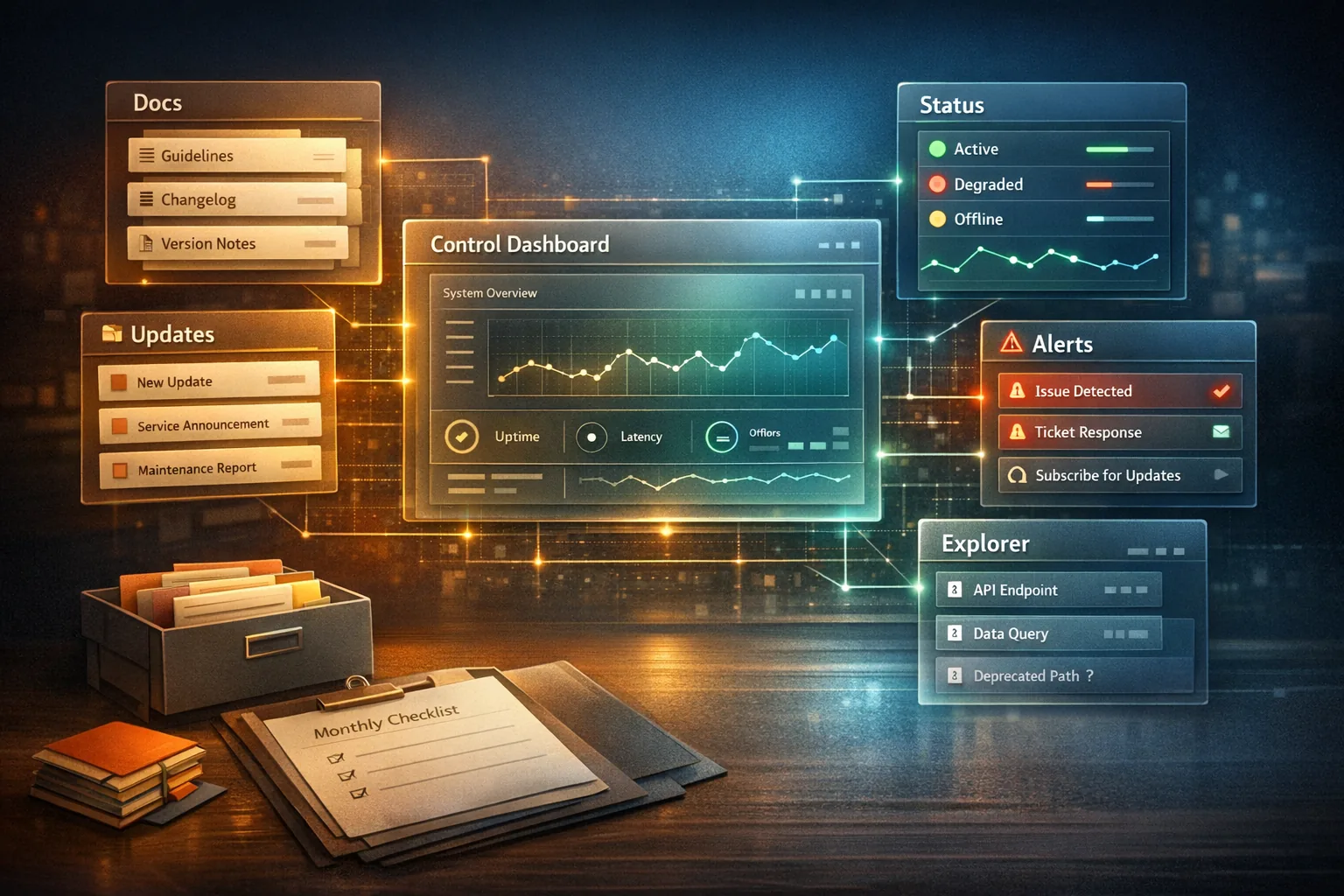
- Immutable documentation: If a feature’s status changes from deprecated to removed, that is the clearest signal.
- Immutable blog: Migration and shutdown information is often explained there first in accessible language.
- Immutable status page: Useful for incidents, maintenance, and monitoring legacy services such as the API, Link, or explorer.
- Immutable update channels: Following alerts or support updates can help you spot changes sooner.
- VeVe blog and VeVe updates: Relevant when VeVe explains how current provenance and explorer use are intended to work.
- Your own bookmarks: A quick monthly check can provide early warning that legacy paths are becoming unreliable.
If you want more context on VeVe’s next stage after Collect, our article on Collect Chain Phase 2: Self-Custody may also help. It explains why legacy custody and verification systems may not remain unchanged forever.
Why Clear Documentation Is Becoming More Important for Collectors
Many collectors underestimate the value of straightforward documentation. It is not about hype; it is useful for everyday needs such as disputes, support cases, portfolio organization, future sales, provenance records, or regulatory questions.
Digital collectibles can move through several platform and infrastructure phases over the years, which makes a personal archiving standard extremely valuable. Spending 15 minutes today can often save hours of reconstruction later.
If you are interested in the regulatory side—including why records and transaction documentation are becoming increasingly important in Web3—also see DAC8: Why Documentation Matters More. This is not tax advice, but it provides a useful reality check on why keeping organized records is no longer just a hobby for technical users.
FAQ
Do I Need to Do Anything in the VeVe App Because of the IMX Deprecation?
Generally, no. VeVe remains usable for normal day-to-day activity in the app. You should mainly take action if legacy IMX records, transaction events, or explorer links matter to you.
Are My Old VeVe NFTs Gone if Immutascan Eventually Disappears?
No. A legacy explorer is only a viewing and verification tool. It is not the same as your current collection on VeVe or the current Collect infrastructure.
Which Legacy Data Should I Preserve First?
Start with your most important items. Save hashes, event screenshots, dates, the edition or serial number, purchase or sale records, and a brief note explaining the context.
Does the Current Collect Explorer Replace Everything From the Legacy System?
It covers the current status, but not necessarily every legacy IMX verification process. That is exactly why it makes sense to separate the current Collect view from your archived legacy history.
Should I Keep Using Third-Party Tools?
Only as a supplement, never as your sole source. You can use them to make data easier to read, but always preserve the underlying records yourself.
What Is the Biggest Mistake Collectors Can Make Right Now?
Thinking, “I’ll deal with it when something actually goes offline.” By then, it may be too late to preserve all the legacy data easily and completely.
Final Thoughts
For VeVe collectors, the Immutable X deprecation matters most where the past matters: not in everyday app use, but in legacy provenance, old explorer links, and previous verification routines.
The collector-first solution is not panic—it is archiving. Preserve the legacy history that matters to you, use Collect as the reference for current records, and monitor official update channels before an old path disappears without notice.
Sources