For a long time, your VeVe collection was primarily a list of your collectibles and comics. The Collection View Update released in late January 2026 turns it into much more: a clearer overview of what you own, which sets remain incomplete, which comics are unread, and how your collection is structured.
At first, that may sound like a simple UI improvement. For active collectors, however, it is a meaningful quality-of-life update because it answers questions that previously required multiple clicks, notes, or Market searches: What am I still missing? Where do I stand with my sets? Which comics did I want to continue reading?

TL;DR: VeVe has reorganized the Collection View for the app and desktop. The biggest changes are separate sections for Collectibles, Comics, and Sets, more detailed stats, visible comic reading progress, and a Sets view focused on incomplete sets. Use the new data to organize your collection, not as a price or profit signal.
What Did VeVe Change in the Collection View?
According to VeVe, the Collection View was extensively redesigned to help collectors understand the structure of their collections more quickly. At the top, a high-level breakdown now displays Collectibles, Comics, and Artworks separately.
Below that, dedicated tabs lead to the most important sections. Collectibles, Comics, and Sets are especially relevant. Instead of scrolling through one general collection, you can now focus on a specific collection type or goal.
The Collectibles section adds new details: total holdings, unique items, set information, and rarity distribution. For collectors, the distinction between Total and Unique matters: Total refers to every edition held, while Unique is closer to the number of different items. If you hold duplicates, this makes it easier to see how broad or concentrated your collection really is.

The New Structure: Separate Collectibles, Comics, Artworks, and Sets
The biggest benefit is the separation of collection categories. A comic collector needs different information than someone primarily focused on 3D collectibles, Showroom pieces, or complete sets. The new view makes those differences easier to see.
For practical ways to use these app features, see VeVe Showcase & My Files and VeVe Wishlist.
If you are still unsure which collection category suits you, check out our comparison of VeVe Comics vs. Collectibles. It helps you distinguish more clearly between story focus, display focus, budget, and collecting goals.
For existing collections, the new view primarily serves as a diagnostic tool. You can quickly see whether you hold many individual items, focus on series, leave comics unread, or have set goals that are realistically achievable.
Sets Tab: Find Incomplete Sets Faster
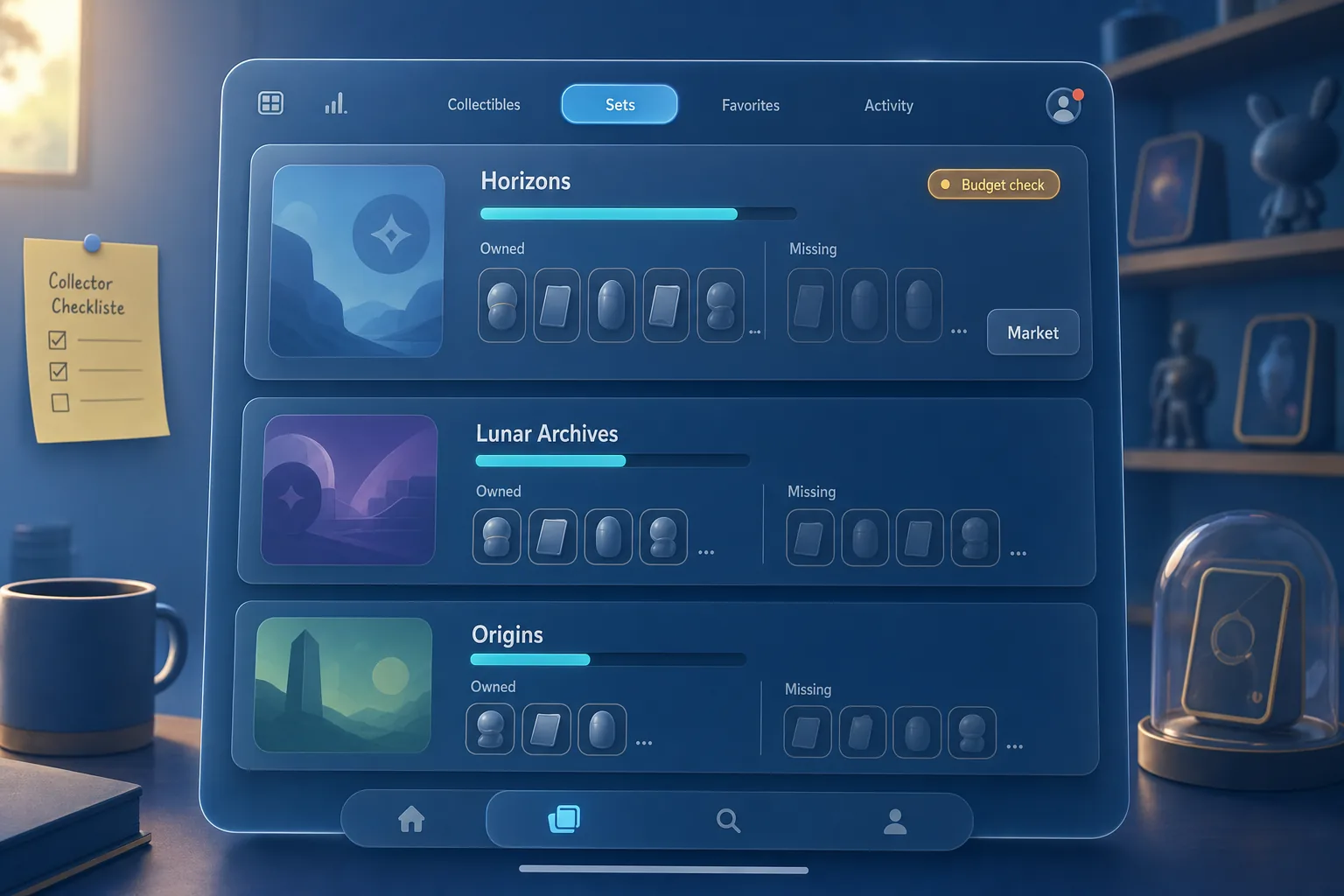
For many collectors, the Sets tab is the most important part of the update. VeVe displays sets in a dedicated view and sorts incomplete sets first by default. This brings the sets that still require a decision to the top.
The display shows which items you already own and which ones are still missing. The useful part is not just the information itself, but the action flow: open the set, review the missing pieces, and jump directly to the Market if needed.
How to Read Owned vs. Missing
Owned means these parts of the set are in your collection. Missing means you still need these pieces to complete the set. That may sound obvious, but it can prevent common mistakes caused by buying from memory alone.
Before buying a missing item, always check its detail page. Pay attention to the edition, rarity, series, and whether you are actually viewing the correct set piece. On the secondary market, you should also assess listings, spreads, and fees objectively; our VeVe Market Guide can help you evaluate them.
Set → Market: When the Direct Link Makes Sense
Jumping directly to the Market makes sense when you already know that you want to complete a specific set. It is less useful when you are clicking out of curiosity and letting the lowest visible price drive your decision.
A good process is to open the set, note the missing items, check your budget, and open the Market only for that specific gap. This keeps the new Sets view useful as a planning tool instead of turning it into a FOMO loop.
Comics: Reading Progress and Unread as Everyday Tools
The Comics section has also improved noticeably. VeVe now makes it easier to see which comics you are actively reading, how far you have progressed, and which issues remain unread. This is a practical improvement, especially for larger comic libraries.
If you do more than collect digital comics and actually read them, you can better separate your reading list from your collection holdings. Our guide to digital comics on VeVe explains the basics if you do not yet use the comic features regularly.

Mark Comics as Finished and Continue Reading
If you have started a comic, the new view should help you resume where you left off. Once an issue is marked as finished, your focus shifts from “started” to “completed.”
This is especially useful for runs. If you are reading multiple issues in a series, you can more easily tell whether you are progressing in order or simply collecting individual covers. For collectors who combine reading progress with set goals, this is a small but meaningful workflow improvement.
Understanding Stats: Total, Unique, Rarity, and Sets
The new stats are useful, but they need to be interpreted correctly. More Total Items does not automatically mean a stronger collection. A collection with many duplicates may look larger but be less diverse than a smaller collection with many Unique Items.
Rarity distributions are not price forecasts either. They show which rarity tiers are represented in your collection. Whether an item makes sense for you depends on your goal: franchise focus, completing a set, building a comic run, finding a display piece, personal fan value, or staying within budget.

Why Stats Do Not Automatically Equal Value
A common trap is treating a clearer overview as an indication of market value. If VeVe shows that a set is almost complete or that you hold many Rare items, that is simply information about your collection. It is not a promise that those pieces will increase in value, sell more easily, or provide special benefits in the future.
Use stats as input for a decision, not as the decision itself. Good questions include: Do I genuinely collect this theme? Am I only missing one realistically obtainable piece? Or am I chasing a number that I do not actually enjoy?
Step by Step: How to Use the New Collection View
The best approach is to treat the new Collection View like a quick collection audit. You do not need to optimize everything at once. One calm review is enough to identify the most important open items.
1. Start With the Big Picture: Which Category Dominates?
Begin at the top of the new overview. Check whether your collection consists mainly of Collectibles, Comics, or Artworks. This does not tell you whether your collection is “good,” but it does reveal your actual focus.
If you thought you were a comic collector but hold almost exclusively 3D collectibles, that may be a good reason to reassess your goals. Conversely, a high proportion of comics may show that reading progress matters more than additional impulse purchases.
2. Review Your Sets
Switch to the Sets tab and focus on incomplete sets first. Write down no more than three sets that you genuinely want to complete. Leave everything else on your watchlist.
For each candidate, ask: How many items are missing? Are the missing pieces realistic for my budget? Do I want the set for the collection itself, or only because of a stat?
3. Organize Your Comics
Open the Comics section and review your in-progress and unread comics. Choose a small reading stack instead of trying to catch up on every unread issue at once. That makes the new view practical for everyday use.
If you collect comic runs, you can also check whether you are missing any issues. Just do not confuse “wanting to read” with “having to complete.”
4. Use Stats Only as Signals
Finally, review Total, Unique, rarity distribution, and set completion. Do not ask, “How can I make this look impressive?” Instead, ask, “Does this structure help me collect?”
If a stat pushes you toward rushed purchases, it is not a useful signal. If it shows you where to focus your collection more intentionally, it is serving its purpose.
The MCP Connection: Why Better Visibility Matters to Collectors
VeVe also places the Collection redesign within the broader context of loyalty features and the Master Collector Program (MCP). The key point is that the new view does not promise rewards. It does, however, make it easier to see which collecting activities may be relevant to your own setup.
Collectors who track Daily Points, sets, and strategic collection management now have better baseline data in the Collection View. Our MCP Basics Guide 2026 explains how to assess Daily Points, sets, and expectations objectively.
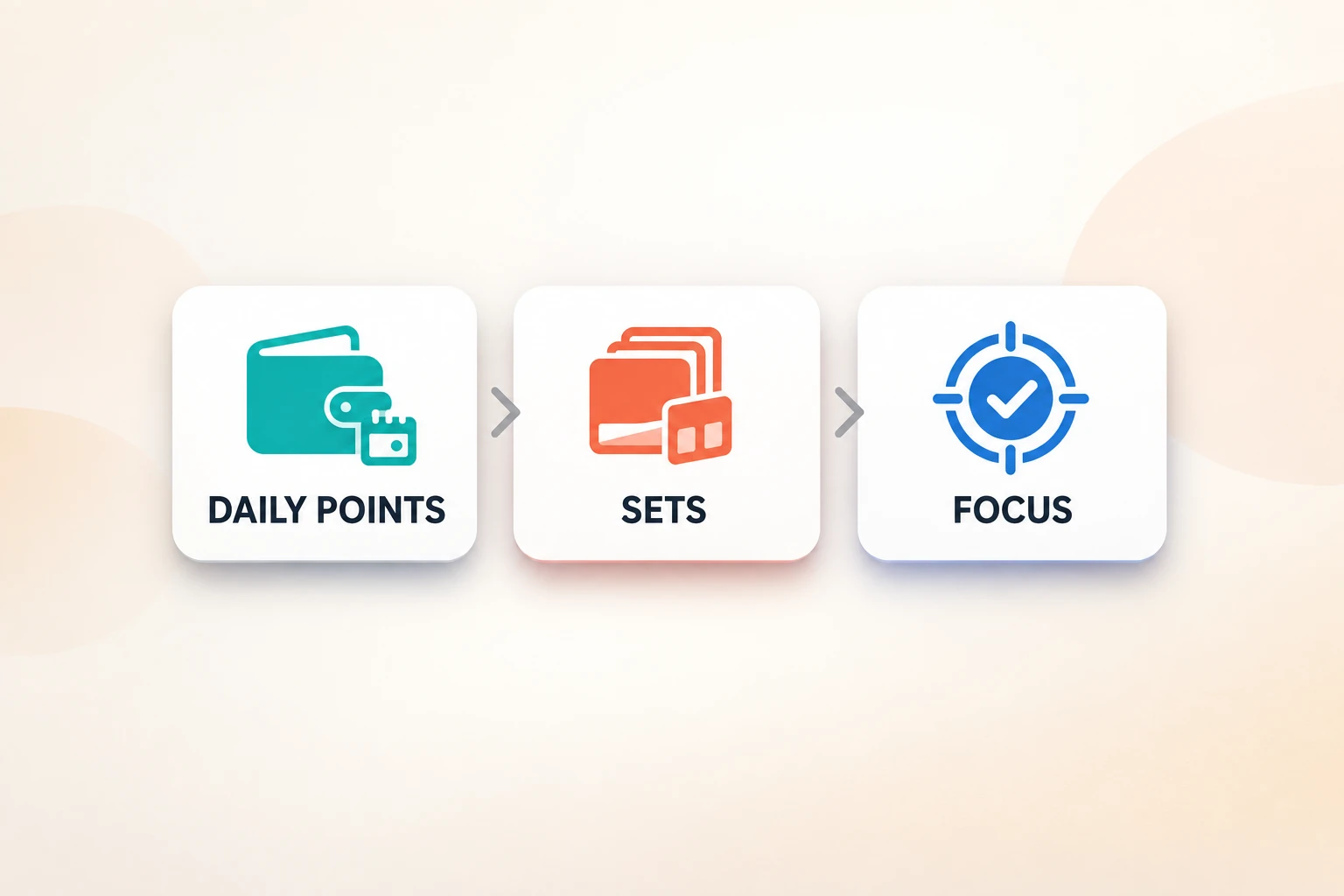
In practical terms, if completing sets matters to your MCP goals, you can identify incomplete sets faster. If you hold many comics, you can better organize runs and unread issues. If you focus more on display pieces, Total and Unique figures can help you streamline your collection.
Common Misunderstandings and Pitfalls
- “Almost complete” does not automatically mean “buy”: A missing set piece may still be outside your budget or personally unimportant to you.
- Rarity is not a return formula: Rarity can matter to collectors, but it is not a promise of price performance.
- Unread is not a problem: Unread comics are simply a status. You decide whether you want to read, collect, or do both.
- Stats do not replace research: Before buying on the Market, listings, fees, liquidity, and personal priorities still matter.
- Collection View does not change custody rules: An in-app overview is not the same as a custody model, transfer rule, or self-custody feature.
The final point is especially important. To understand custody, self-custody, or technical infrastructure, read our separate guide to Custody vs. Self-Custody for Collectors. Collection View is a usability and transparency feature, not a change to every platform rule.
Collector Checklist: Your 10-Minute Routine
- Update the app and open Collection View in the app or on desktop.
- Review the top-level breakdown: Collectibles, Comics, Artworks.
- Check the Collectibles details: Total, Unique, Sets, Rarity.
- Open the Sets tab and prioritize incomplete sets.
- Write down no more than three realistic set goals.
- Only check missing items on the Market with a budget limit in place.
- Open the Comics section and organize unread issues.
- Choose one small comic run or reading stack.
- Keep MCP goals separate from price or hype expectations.
- Review your collection again after one month to see whether it has become more focused.
VeVe Collection View Update FAQ
Do I Need to Update the App?
VeVe notes that mobile users need an app update to access the new Collection View. If you do not see it, check the app store first, then make sure you are in the correct section of your Collection.
Is the New Collection View Available on Desktop?
VeVe describes the update as available across the app and desktop experience. Desktop may be especially convenient when reviewing larger collections because sets, details, and comic lists are easier to scan.
Can I Buy Directly From the Sets Tab?
Yes. VeVe describes a direct link from a set to the Market. You should still check the details before buying rather than reacting only to an item being marked “Missing.”
Does the Update Change My MCP Points?
The update is primarily a better overview of your collection. It helps you see MCP-related goals, such as sets or collection structure, more clearly, but it does not promise any specific rewards.
Is a Complete Set Automatically More Valuable?
Not automatically. A complete set may matter from a collecting, organizational, or MCP strategy perspective. Market value, demand, and liquidity remain separate considerations.
Final Take: The New Collection View Is a Tool, Not a Hype Signal
The VeVe Collection View Update finally makes collections easier to understand. Sets, comics, reading progress, Total vs. Unique data, and rarity distributions can help you collect more intentionally and identify open goals faster.
The most important point remains: More transparency is not a promise of profit. Use the new view to understand your collection, review gaps intentionally, and avoid unnecessary purchases. That is when the update becomes genuinely valuable for collectors.
Sources