When you buy a digital collectible on VeVe, you do not automatically own the brand, character, logo, or underlying artwork in the copyright sense. This distinction is especially important in 2026: Since completing the full Collect Chain migration, VeVe has placed greater emphasis on transparency, portability, and future self-custody options. That is technically exciting, but it can easily be misunderstood.
The short version: You generally buy a specific digital collectible and receive certain rights to use it. However, the IP rights to Star Wars, Marvel, DreamWorks, Disney, Coca-Cola, or other brands remain with the respective rights holder or licensor. Understanding this distinction can help you collect with greater peace of mind, avoid risky merch or social media ideas, and assess new wallet features more realistically.
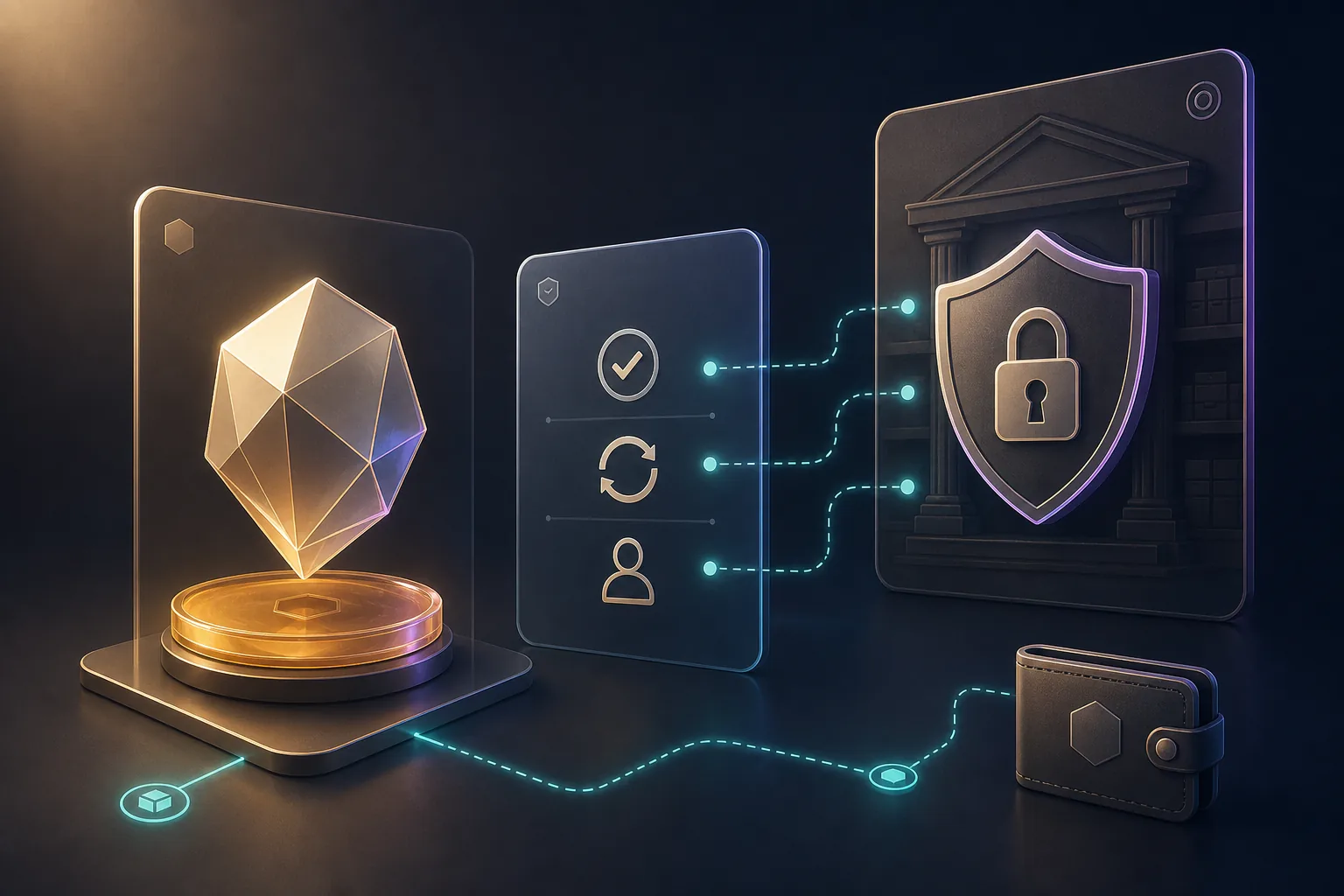
TL;DR: On VeVe, you typically own your specific digital collectible within the platform and license rules. However, that does not automatically give you copyright, trademark rights, or commercial usage rights. Reselling through permitted channels is different from creating merch or advertising, producing your own video series, putting logos on products, or adding the character to your own game. Self-custody may provide greater control over custody, but it does not automatically grant additional IP rights.
What Do You Actually Own?
The clearest approach is to think in three layers: the digital object, usage/license rights, and the underlying IP. These layers may sound similar, but they are not the same legally or practically.
1. The Specific VeVe Collectible
This is the collectible you hold in your account or, depending on future implementation, in a wallet. It may have an edition, edition number, rarity, animation, AR features, or specific metadata. This particular object is what matters for collecting, the Market, and provenance.
For a deeper look at the technical history, see the Collect Block Explorer Guide. It explains how to review transactions, token information, and history systematically without drawing incorrect conclusions about the rights attached to them.
2. The License for the Artwork or Collectible
The license defines what you may do with the content depicted. For many digital collectibles, this primarily means personal, non-commercial use plus resale through approved platform or Market channels. Details may vary by Drop, so the relevant Drop page or official license terms are what matter.
In one official VeVe example involving DreamWorks Voltron, the terms explicitly stated that no IP rights were being sold. Instead, collectors received a personal, non-commercial use and resale license. Prohibited uses included modification, advertising, merchandising, and incorporation into other media. For collectors, this distinction matters more than whether an asset is visible on a chain.
3. The Licensor’s Trademark and Copyright
The IP generally remains with the rights holder. This includes characters, names, logos, designs, movie clips, comics, brand identity, and other protected elements. Owning a collectible featuring a well-known character does not automatically give you the right to use that character on T-shirts, stickers, advertisements, YouTube intros, games, 3D downloads, or commercial social media campaigns.
Independent regulatory interpretations confirm the same principle: Digital collectibles or NFTs do not automatically transfer copyright or commercial usage rights. Those rights must be granted explicitly and separately.
Why the Collect Chain Can Add to the Confusion
The Collect Chain migration makes provenance, history, and technical attribution more tangible. That is a positive development because collectors can more easily verify whether a specific item exists, has moved, or belongs to a wallet. However, it does not automatically change the licensing terms set by the rights holder for each Drop.
To clearly separate the technical roadmap, the app layer, and future self-custody, also read Collect Chain Phase 2: Self-Custody, Expectations, Risks, and Opportunities. For the security differences between a custodial account and your own wallet, see Custody vs. Self-Custody for Collectors.

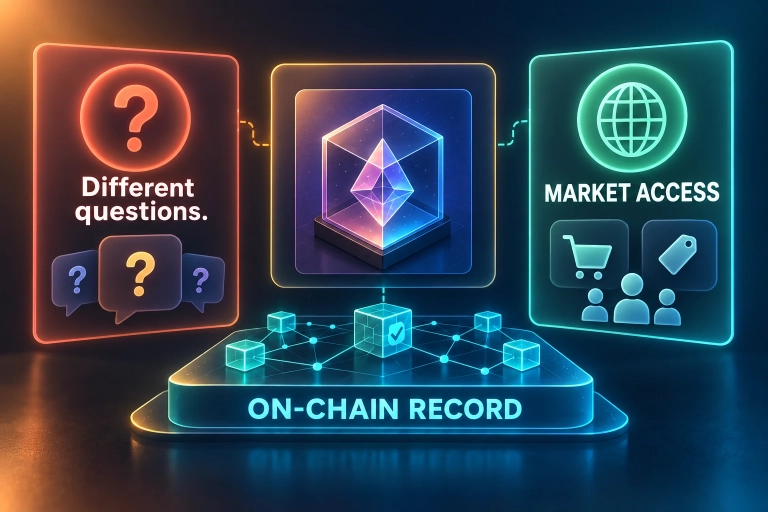
A useful rule to remember: Wallet control answers who manages a digital asset. IP rights answer who may commercially exploit the creative brand. These are two separate issues.
Dos and Don’ts: What Is Usually Fine and What May Be Risky
The following examples are not a substitute for individual legal advice or Drop-specific license terms. However, they can help you assess common VeVe use cases more realistically.
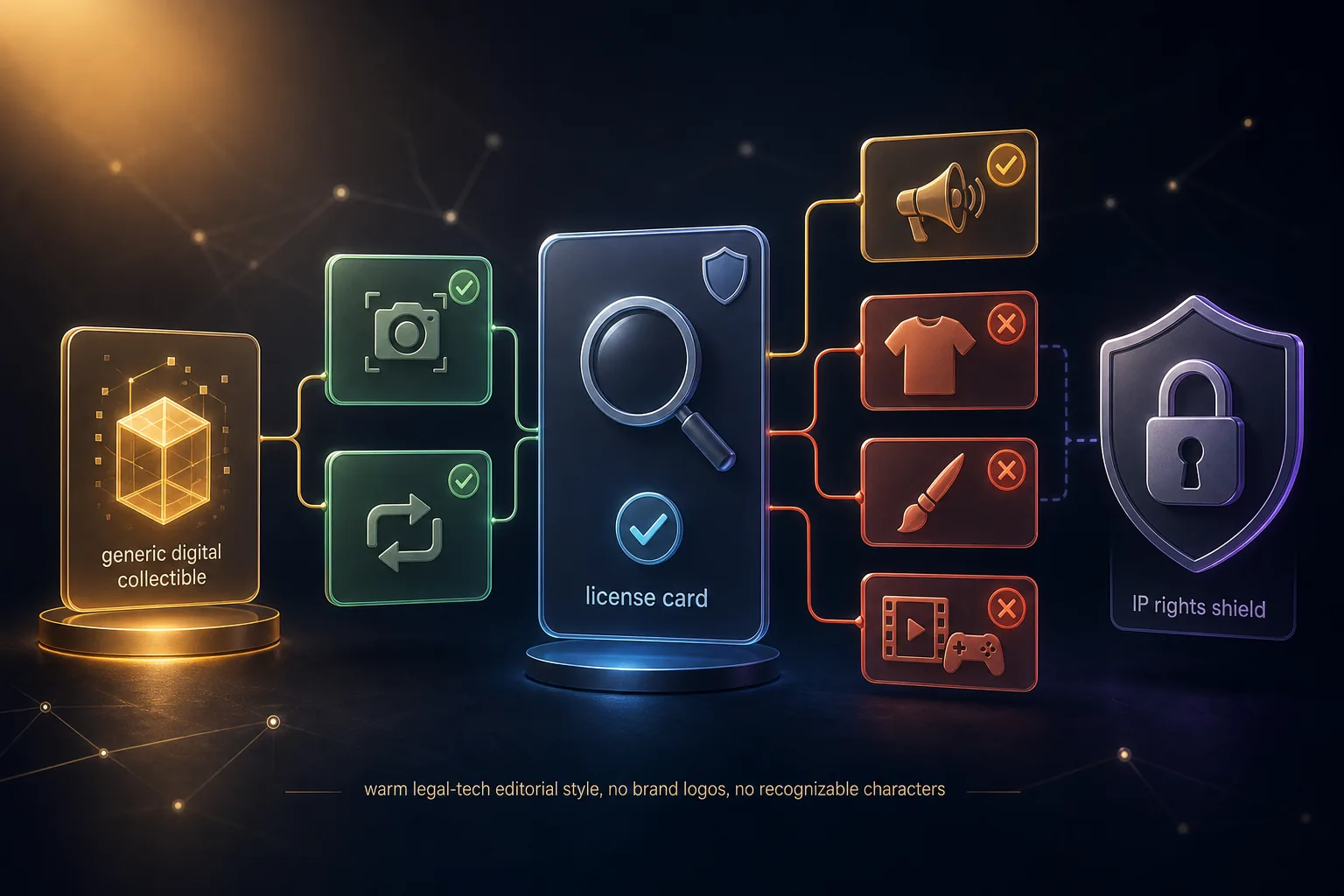
Generally Lower-Risk Uses
- Collecting in the app: Holding, sorting, and displaying the collectible in your Collection.
- Sharing AR screenshots personally or editorially: Showing your personal collection, as long as you do not imply an official partnership or turn it into a commercial campaign.
- Reselling through approved channels: Resale may be covered by the license when it takes place through approved platform mechanisms.
- Collector reviews and commentary: Discussing a collectible, providing collector context, and expressing your own opinion, as long as you do not present the trademark rights as your own.
Uses That Require More Caution
- Merchandising: Selling T-shirts, posters, stickers, 3D prints, pins, or other products featuring the character, logo, or artwork.
- Advertising: Using a VeVe collectible to promote your own product, token, store, or service.
- Modification: Altering or remixing the artwork, minting it again, or presenting it as your own derivative work.
- Using it in other media: Incorporating the character into games, video series, apps, music videos, avatars, VFX assets, or commercial trailers.
- Using logos: Placing brand logos on a website, packaging, store, event graphics, or social media banners in a way that suggests you are an official licensing partner.
With well-known brands in particular, the difference between “I am showing my collection” and “I am using the IP for my own project” is critical. The more commercial, public, and brand-like the use appears, the more carefully you should review the rights.
Myth-Busting: Three Common Misconceptions
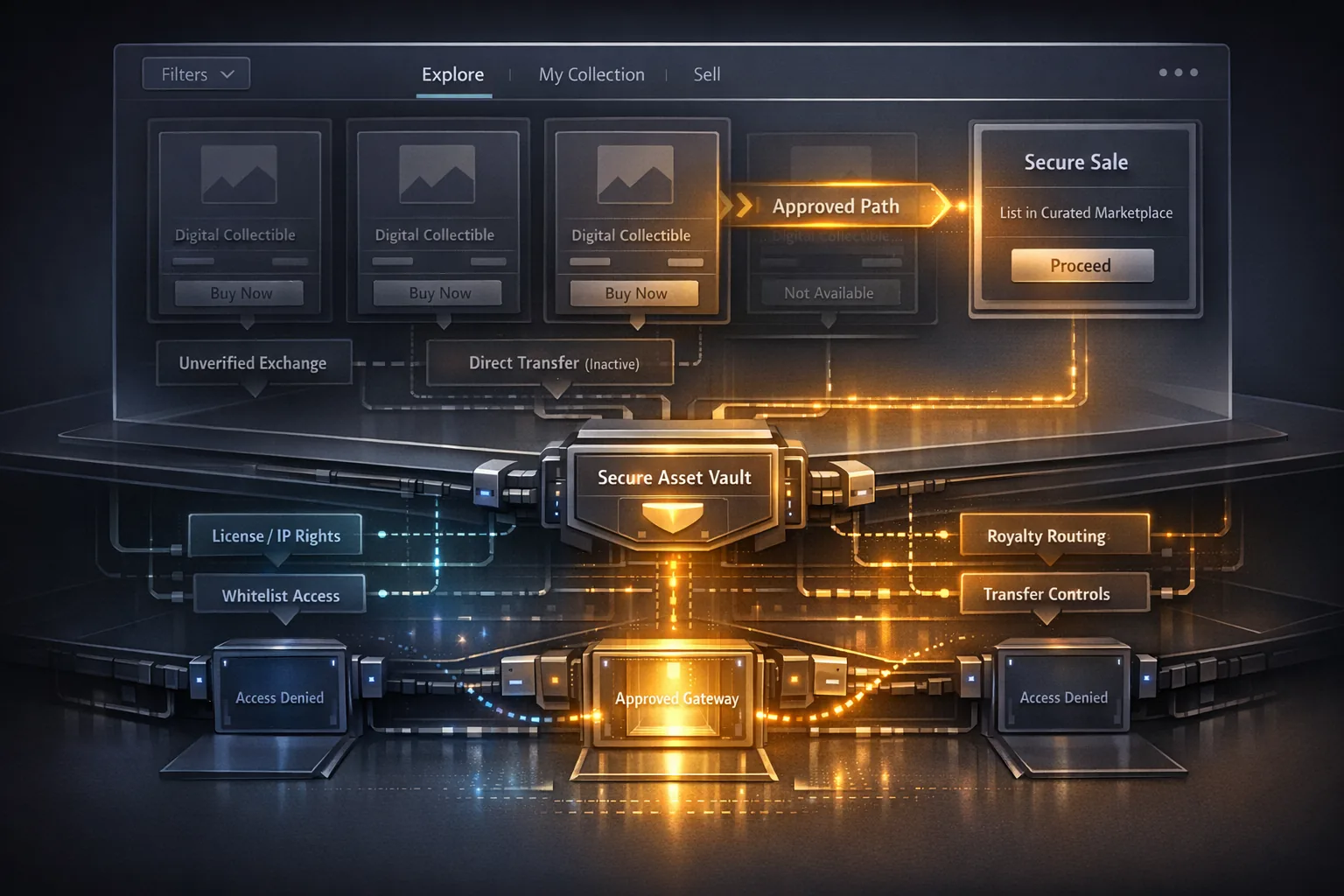
Myth 1: An NFT Means I Own the IP
No. An NFT or digital collectible can represent ownership of or attribution to a specific token or digital object. That does not automatically transfer copyright, trademark rights, or commercial usage rights.
Myth 2: Self-Custody Means Full Commercial Rights
No. Self-custody may mean taking on greater responsibility for access, wallet security, and asset management. However, it does not mean Disney, Marvel, DreamWorks, or another rights holder automatically grants you merchandising, advertising, or production rights.
Myth 3: If I Bought It, I Can Use It Anywhere
That is also too broad. You may use a digital collectible within the scope of its license. The exact boundaries depend on the Drop, licensor, platform rules, and intended use.
Checklist: Where to Review the Rights for Each Drop
Before using a collectible publicly, creatively, or commercially, do not rely on assumptions about the rights. Instead, follow a short review process.
- Read the official Drop page: Look for license terms, usage terms, resale rules, and restrictions.
- Identify the licensor: Check which brand or rights holder is behind the Drop. Major IPs often have particularly clear restrictions.
- Review the platform rules: VeVe’s rules, Market eligibility, and terms of use may also apply.
- Define the usage context: Personal use, editorial use, a community post, affiliate content, advertising, and product sales are not the same.
- Do not assume additional rights: If commercial use is not expressly permitted, you should not assume that it is allowed.
- Document the evidence: Screenshots of Drop details, purchase records, and license terms may be helpful if questions arise later.
For records and purchase documentation, see our guide to VeVe Receipts, Proof of Purchase, and Support Documentation. To better understand how buying, selling, and liquidity work in practice, read the VeVe Market Guide.
Warning: Unofficial Mints, Merch, and “Fan Projects”
Things become especially sensitive when someone turns a VeVe collectible into a new commercial product. This includes unofficial mints on other chains, self-created derivatives, print-on-demand products, NFT collections featuring well-known characters, or stores advertising with licensed brand imagery.
Even when a project is intended as fan art, a tribute, or a community initiative, it may still involve trademark or copyright issues. It becomes particularly problematic when a logo, character name, design, or style is used in a way that could lead buyers to assume an official connection.
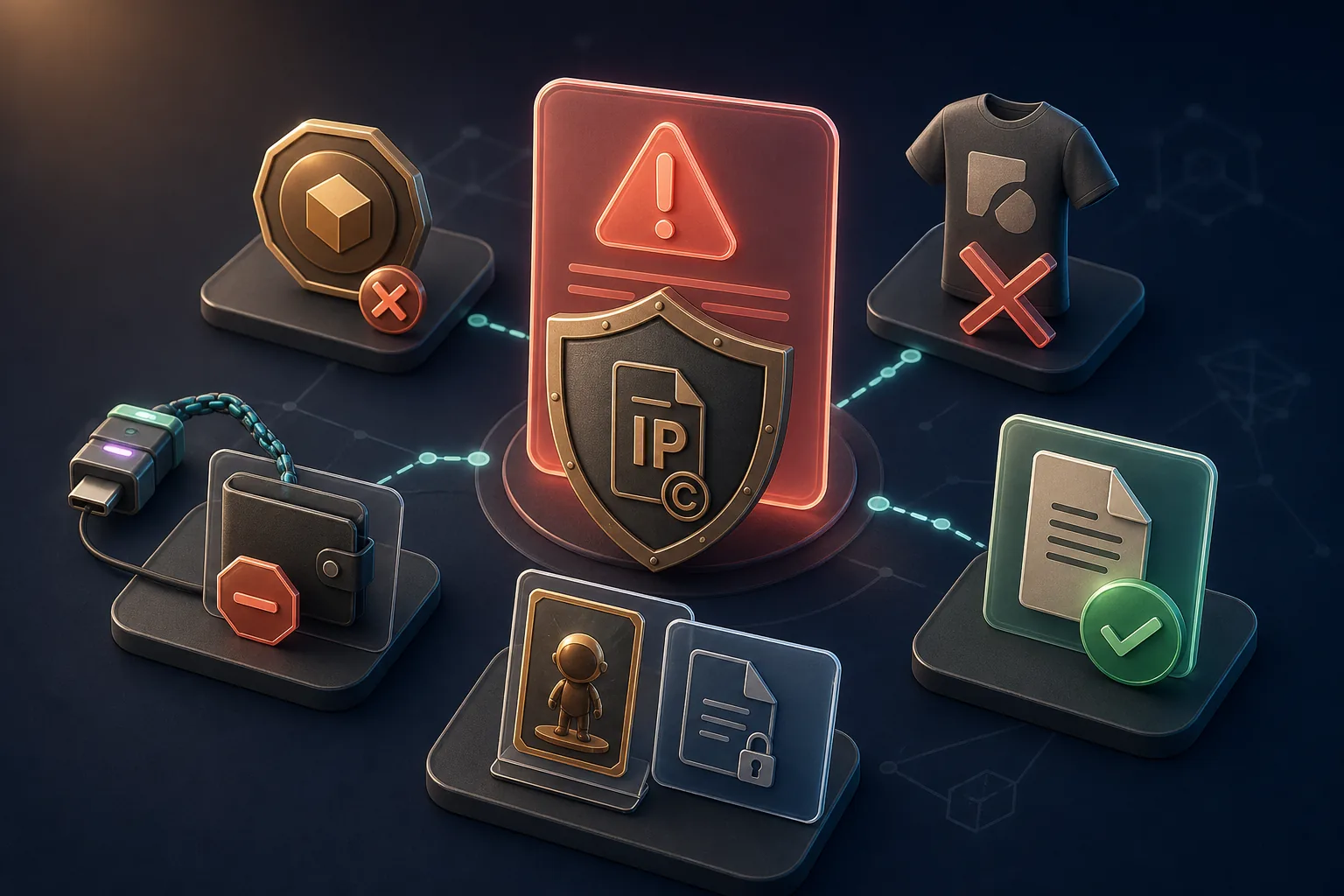
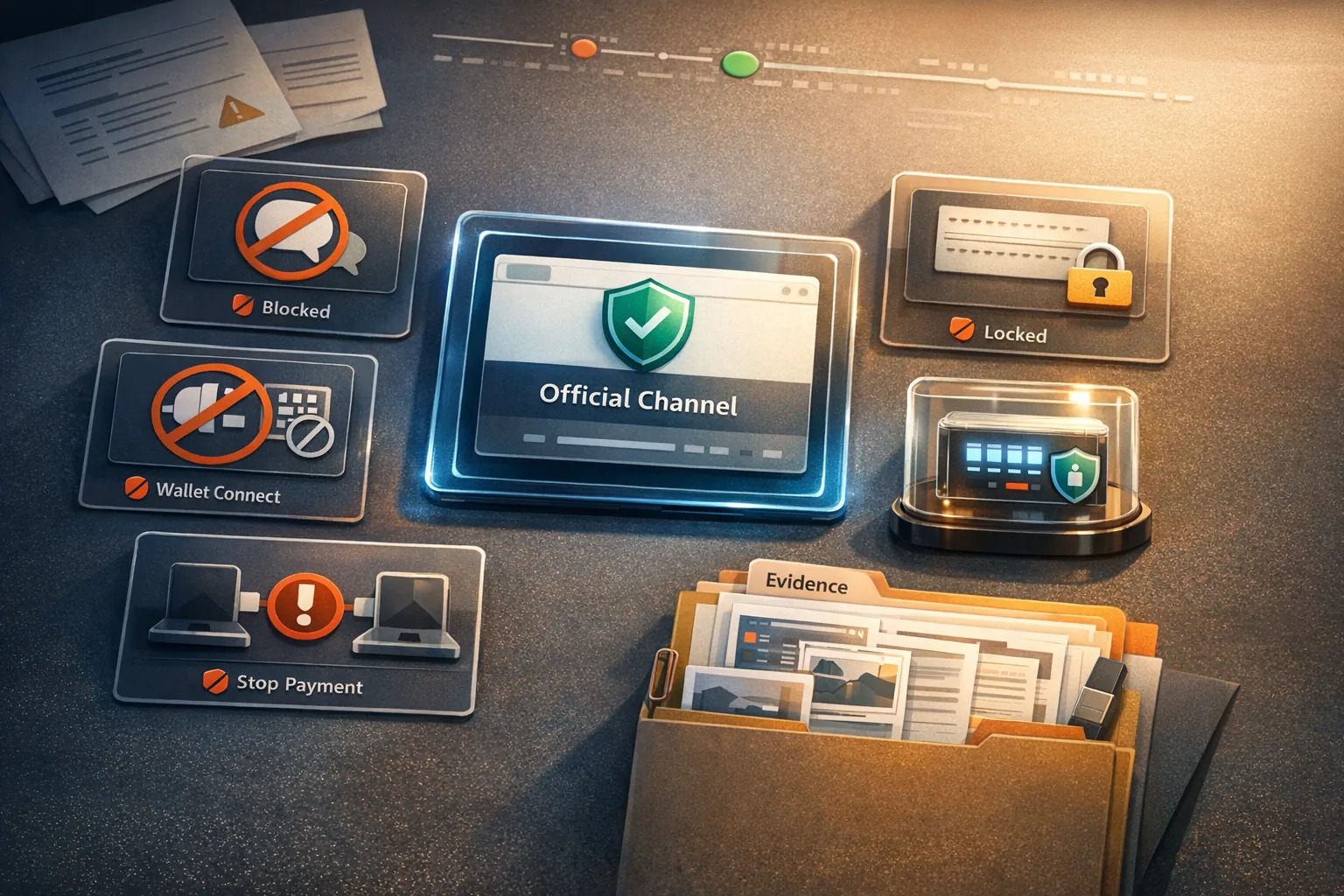
Collectors should therefore separate genuine community discussion from unauthorized commercial exploitation. Discussing a Drop, providing context, or showing your collection is not the same as selling a product that uses someone else’s IP.
Key Terms Explained
- Collectible: The specific digital collectible you own or hold.
- Artwork license: Permission to use the depicted work within certain limits.
- IP rights: Trademark, copyright, and other rights covering characters, logos, designs, and fictional worlds.
- Resale license: Permission to resell the collectible under specific conditions.
- Commercial use: Use for advertising, monetization, product commercialization, or business purposes.
- Self-custody: Independently holding or controlling wallet access, depending on the technical implementation.
A Practical Rule of Thumb for Collectors
When you buy a VeVe collectible, think like a collector first, not a licensee. Ask yourself: Do I want to hold the piece, display it, use it in my Showroom, trade it on the Market, or document it as part of my collection? If so, you are more likely to be operating within the typical collectible context.
However, once you plan to create your own products, advertising, new media, re-mints, downloadable files, or commercial content, you need to review the rights much more carefully. In many cases, owning the collectible is not enough.
New collectors may also find the VeVe Beginner’s Guide 2026 useful. It covers getting started safely, protecting your account, and making your first purchase decisions without requiring you to dive straight into complex licensing issues.
FAQ
Can I Post My VeVe Collectible in AR?
In many cases, posting it as a personal collector is a reasonable use. However, avoid implying an official partnership, do not use someone else’s logos as your own branding, and do not turn it into an advertising campaign without reviewing the rights.
Can I Resell a VeVe Collectible?
Resale may be permitted by the applicable license and platform mechanics. What matters is whether you use approved channels and whether the Drop includes any special rules.
Can I Sell Merch Featuring My Collectible?
As a rule, you should not assume that you can. Merch almost always involves commercial use, branding, and artwork rights. Without explicit permission, it is risky.
Does Self-Custody Change My License?
Not automatically. Self-custody concerns access and custody. Usage and IP rights remain subject to the license, terms, and licensor.
Does This Also Apply to Comics?
Yes, and the distinction is especially clear with comics. Buying a digital comic does not automatically give you rights to Marvel, Disney, Star Wars, or other comic content. To compare comics and collectibles as collecting categories, see VeVe Comics vs. Collectibles.
Conclusion: More Control Does Not Automatically Mean More Rights
The Collect Chain can make VeVe more transparent for collectors. Future self-custody may provide additional control and responsibility. Both matter, but neither replaces a license.
The safest collector approach is to take ownership of the specific collectible seriously, document technical records carefully, and avoid reading additional IP rights into that ownership. Taking an extra moment to review the rights before creating merch, re-minting, advertising, or using the content in other media can help protect both you and the long-term quality of the collector ecosystem.
Sources