If you take MCP seriously, you’ll quickly notice that Rank and Level feel similar—but they play very different roles in your strategy.
For some collectors, maintaining a “stable Rank” is the perfect low-stress setup. For others, a “Level push” is a deliberate project planned like a sprint—with a clear exit strategy.
TL;DR
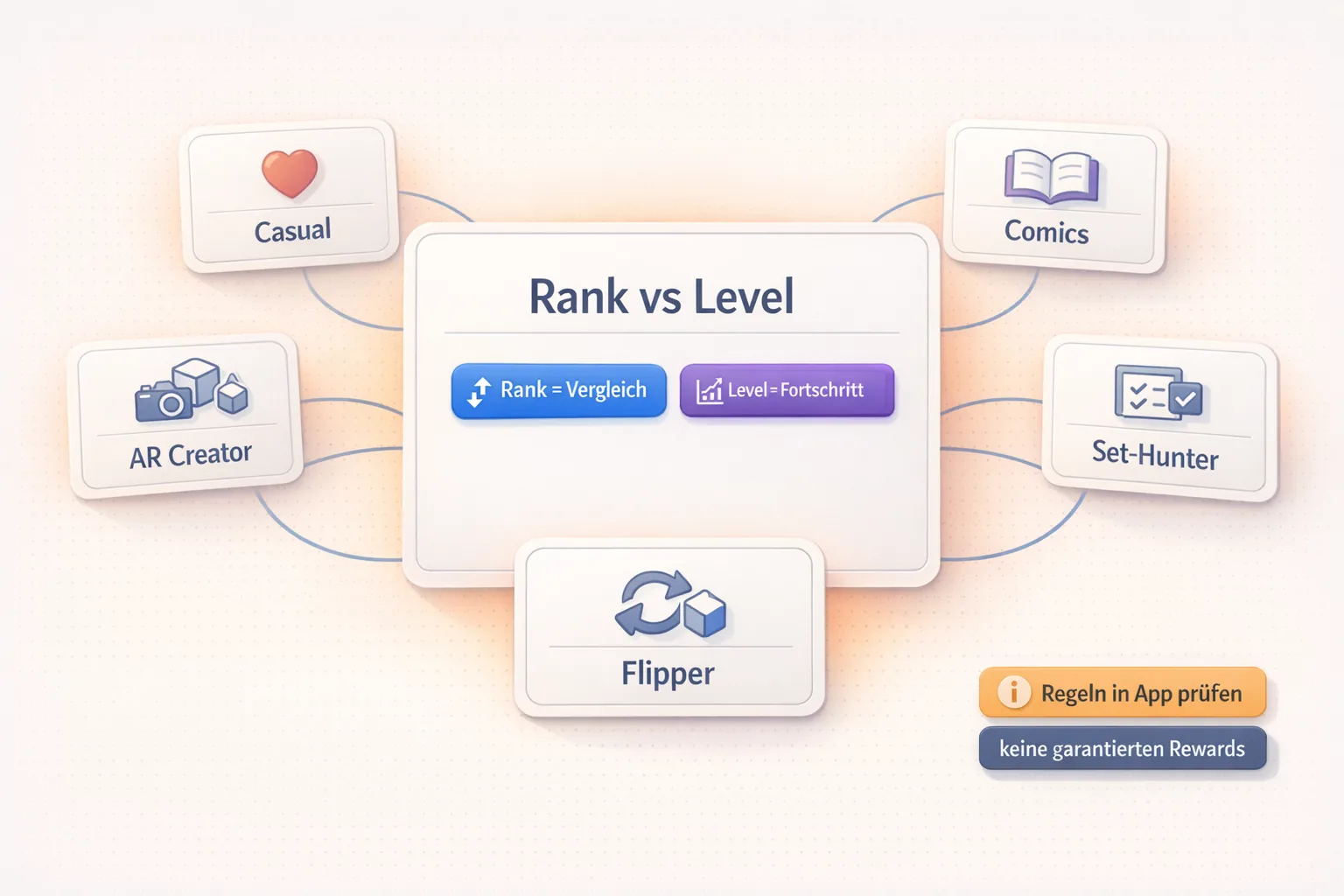
- Level is your progress within MCP—you build it over time.
- Rank is your relative position compared with other collectors. It can fall even when you’re doing everything “right.”
- The best MCP strategy isn’t simply about earning “more points.” It depends on your collector type: casual collector, comics-focused collector, flipper, AR creator, or set hunter.
- Set goals as either a routine for maintaining a stable Rank or a project for completing a Level push—and expect occasional setbacks without panic-selling.
- Important: MCP does not guarantee rewards, allowlists, or profit. Always check the current rules and eligibility directly in the app.
Why Ranks & Levels Often Confuse Collectors
Many collectors look at their profile and think, “If my Level goes up, my Rank should improve too.” That can happen—but it doesn’t have to.
The reason is simple: Level is absolute—it reflects your progress. Rank is relative—it reflects your position while everyone else is moving too.
Key Terms Explained
- MCP (Master Collector Program): A VeVe program that structures collecting activities, such as through points, Levels, and milestones, depending on the current rules.
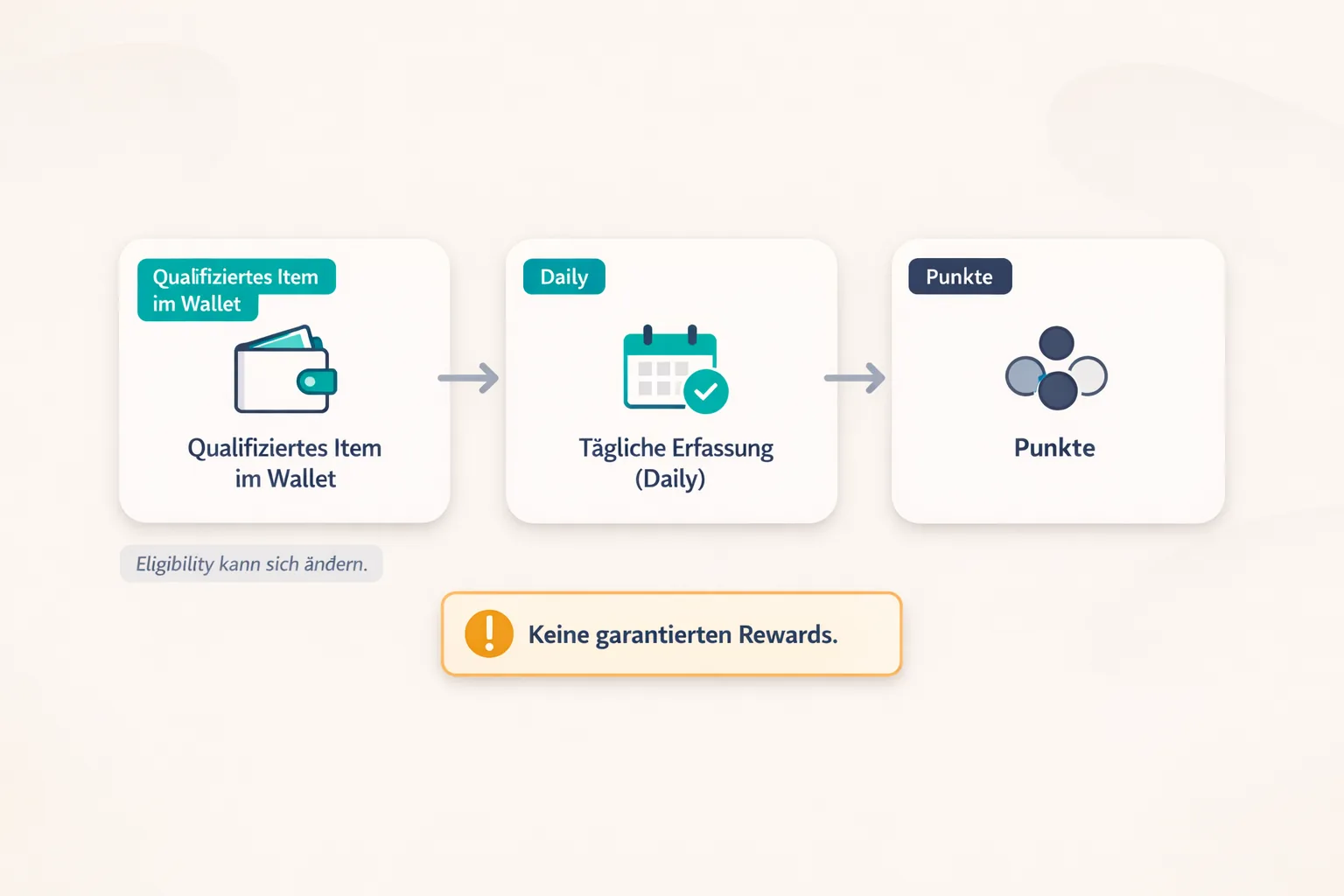
- Eligibility: Whether an item or account qualifies for specific MCP mechanics. It isn’t a matter of opinion; it depends on the current rules shown in the app.
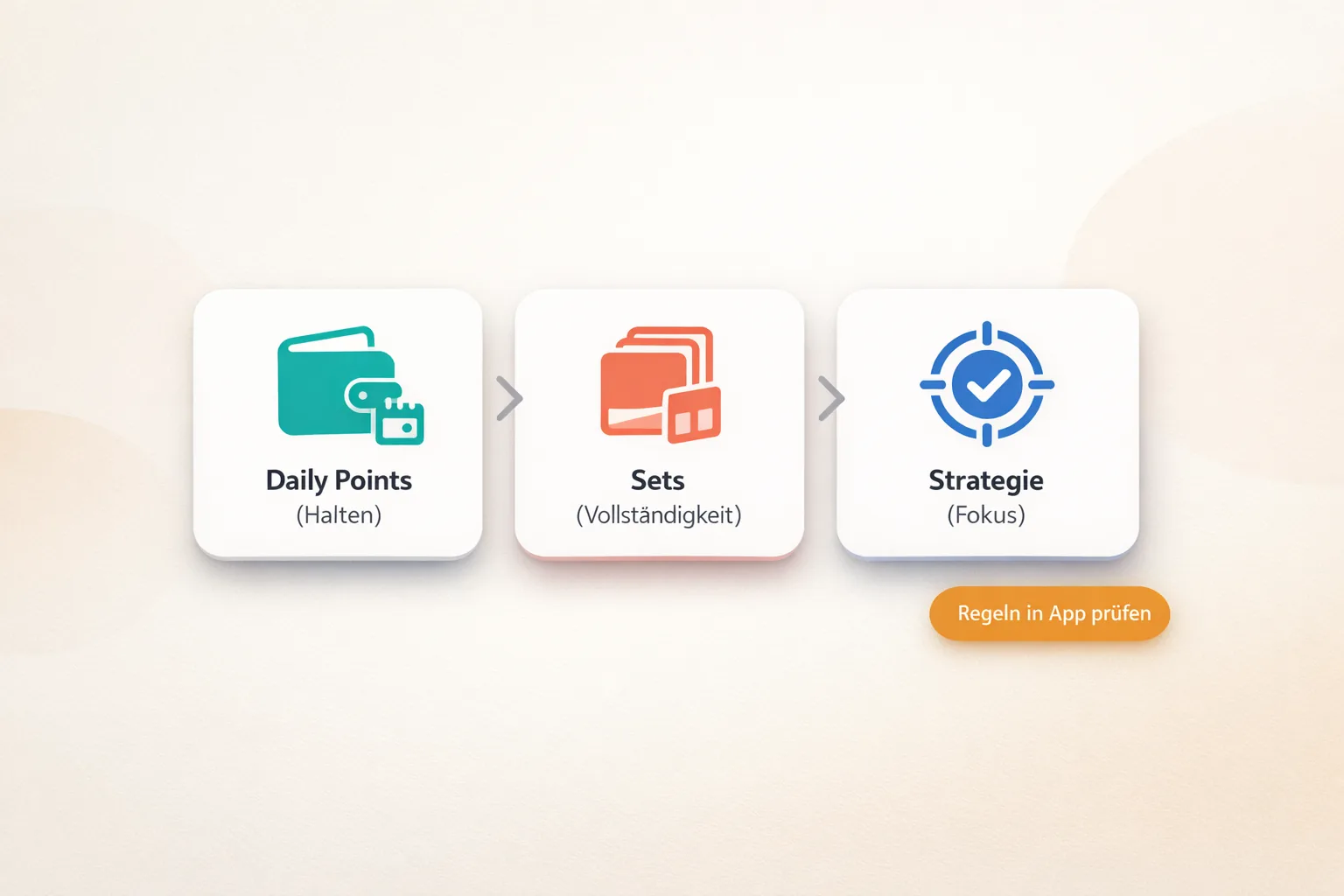
- Daily Points (holding): A system in which qualifying assets may be counted over time. Do not confuse this with guaranteed rewards.
- Set: A defined group of items, such as a complete series or collection, that may have its own relevance within MCP.
- Level: Your personal progress within MCP. It typically increases when you meet specific requirements.
- Rank: Your position compared with other collectors. It typically fluctuates based on other collectors’ activity.
- Rebalancing: Deliberately adjusting your collection to align it with your goals, such as focusing on a core set instead of spreading yourself too thin.
How to Read Your Rank and Level Correctly
Level answers: “How far have I progressed on my MCP path?”
Rank answers: “Where do I currently stand compared with everyone else?”
When Is a “Stable Rank” a Good Goal?
A stable Rank can be a good goal if you collect for the long term, want less stress, and follow more of a “core and hold” approach. In that case, stability is often more important than squeezing out the final percentage of optimization.
When Does a “Level Push” Make Sense?
A Level push can make sense when you’re deliberately working toward a defined goal, such as reaching a certain Level and then returning to your normal strategy. The key is that you need a plan for what comes next so you don’t keep buying just to chase numbers.
Ranks and Levels as Real Collector Profiles
Here’s the practical translation: not just “Rank 1234,” but who you are as a collector—and how MCP can actually support your approach.
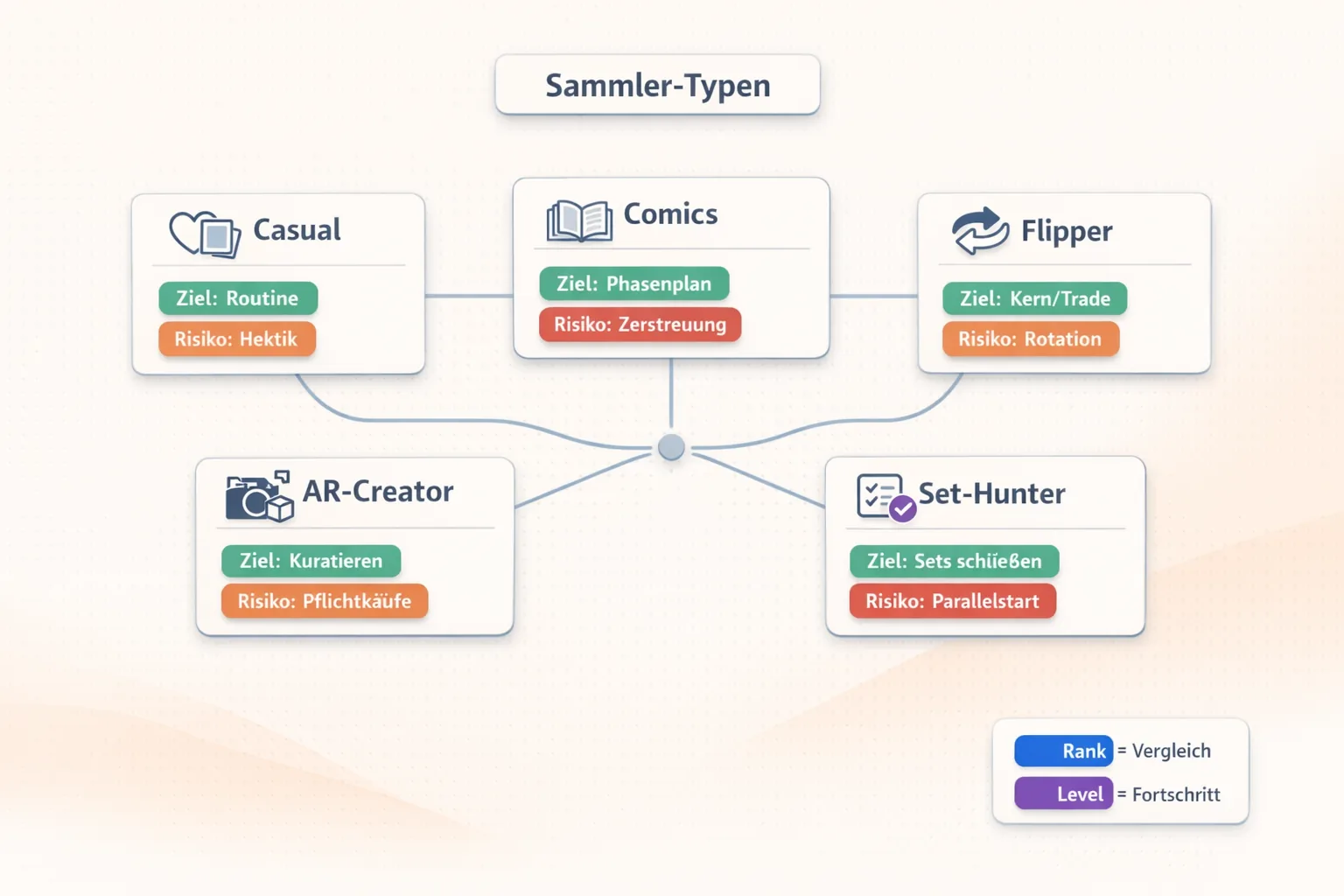
1) Casual Collector (“I Just Want to Have Fun and Own Cool Pieces”)
What Rank and Level mean for you: They’re a general progress bar—not your identity as a collector.
- Good goal: Maintain a stable Rank—or ignore Rank and treat your Level as a bonus.
- Strategy: Build a small core collection that you genuinely enjoy and keep it organized in your wallet.
- Common mistake: Frantically buying or selling because of short-term Rank fluctuations.
2) Comics-Focused Collector (“I Collect Issues, Cover Variants, and Key Issues”)
What Rank and Level mean for you: MCP can help you structure your collection systematically through sets, series, and a consistent routine.
- Good goal: Complete a Level push in clearly defined phases, such as building your library first and then completing sets.
- Strategy: Decide whether your focus is reading, key issues, or variant covers, then align your MCP activity with that focus.
- Related guide: VeVe Comics Guide: Reading & Collecting Digital Comics
3) Flipper (“I Trade Actively—Drops, Rebounds, and Short-Term Opportunities”)
What Rank and Level mean for you: MCP can fit your style, but it can quickly conflict with constantly rotating items.
- Good goal: Keep your “MCP core holdings” and “trading inventory” strictly separate, both mentally and within your inventory.
- Strategy: Decide which items you won’t touch because they support your MCP strategy, so you don’t repeatedly disrupt Daily Points or set-related effects.
- Common mistake: Pushing your Level while flipping everything at the same time. In the end, neither strategy feels effective.
- Drop context: VeVe Drop Strategies: Waitlist, Autopay, Rebound, and MCP
4) AR Creator (“I Build Scenes, Photos, and Reels—the Collectible Has to Work”)
What Rank and Level mean for you: MCP is less of an optimization system and more of a curation system. You want items that present well.
- Good goal: Maintain a stable Rank with a curated core, then selectively complete sets when they fit your theme.
- Strategy: Collect by theme, such as “sci-fi,” “street,” or “statues,” rather than chasing point-based myths. MCP then becomes an organizing framework, not a boss battle.
- Common mistake: Making “required” MCP purchases that you’ll never use, simply for your profile.
5) Set Hunter (“I Want Complete Sets—Organized, Complete, and Logical”)
What Rank and Level mean for you: You’re a natural fit for MCP. If MCP rewards or recognizes sets under the current rules, that usually aligns well with your collecting style.
- Good goal: Push your Level through set quality rather than volume.
- Strategy: Choose one or two core sets, followed by “satellite sets.” Stabilize the core first, then expand.
- Common mistake: Starting too many sets at once and ultimately failing to complete any of them properly.
Setting Goals That Don’t Lead to Frustration: Stable Rank vs. Level Push
A good MCP goal is one you’ll still be comfortable with if the app changes something or other collectors suddenly become much more active.
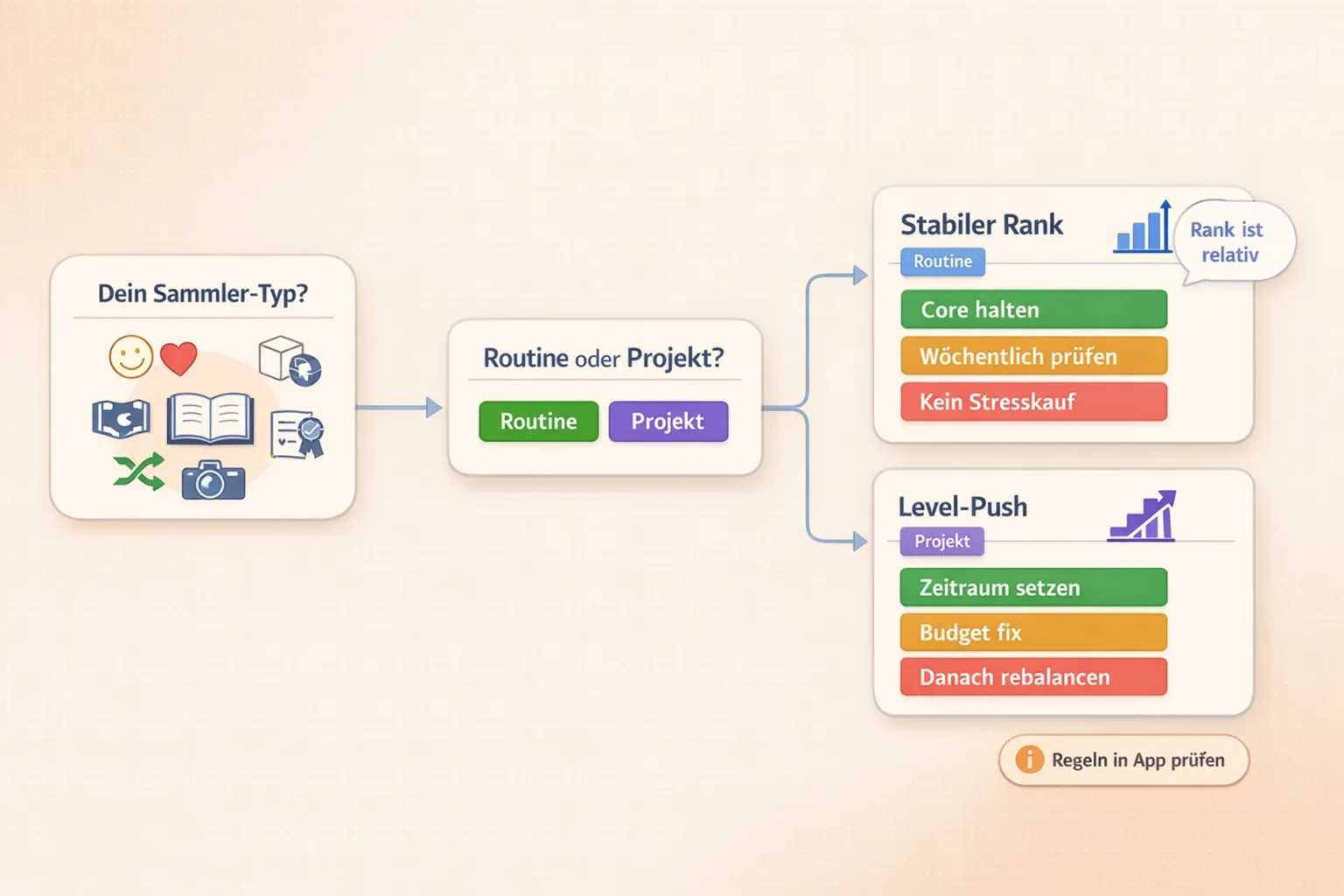
Option A: Stable Rank as a Routine-Based Goal
You accept that your Rank will fluctuate, but you build a routine that doesn’t force you to make decisions every day.
- You measure success by: consistency in holding your core, maintaining an organized inventory, and completing sets deliberately.
- You avoid: stress-buying because of short-term movements.
Option B: Level Push as a Project-Based Goal
You define a time frame, a budget, and clear rules: What will you buy, and what won’t you buy? What is “nice to have,” and what is essential?
- You measure success by: completing the project—not by comparing yourself with other collectors every day.
- You plan for: normalizing or rebalancing your collection after the push.
Quick Start: MCP Step by Step Without Overthinking It
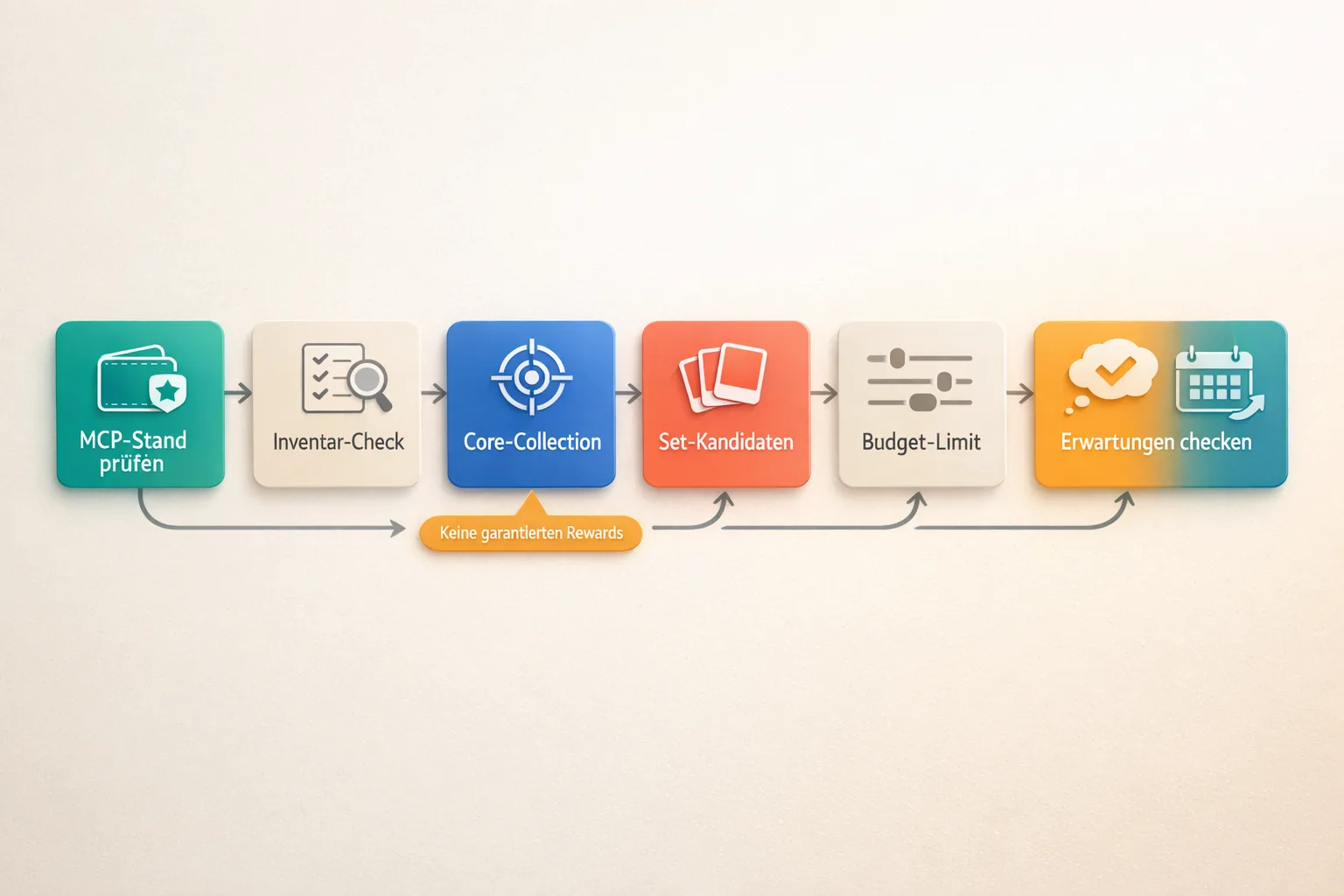
- Check the current rules in the app: Before planning anything, review the MCP section and eligibility details in the VeVe app. Specific details may change from time to time.
- Define your profile goal: Are you aiming for a “stable Rank” as a routine or a “Level push” as a project? Write it down in one sentence.
- Define your core collection: Choose 5–20 items—collectibles or comics—that you would keep regardless of MCP.
- Select potential sets: Choose sets you genuinely want for their content, not simply “because of MCP.”
- Organize your inventory: Make it easy to distinguish between core, set, and trading items, such as through notes outside the app or a clear list.
- Build a simple routine: Pick one day each week to review what counts, what doesn’t, and what has changed.
- Define a rebalancing rule: For example, “I’ll never make more than X changes per week,” so MCP doesn’t take over your entire collecting experience.
New to VeVe? If you sign up through our link at no additional cost to you, the current starter credit guide says you’ll receive $10 in free starter credit.
Collector Checklist Before Your Next MCP Decision
- Would I still want this item without MCP? If not, there’s a risk you may regret it later.
- Is the item actually eligible according to the app? Don’t guess—check.
- Does it fit my core focus? Consider the IP, style, series, comics line, or usefulness in AR.
- Is it part of a set, or is it just “filler”? Filler can start to feel like dead weight later.
- Am I keeping my core and trading inventory separate? Otherwise, constant rotation may undermine your own strategy.
- Do I have a review routine? Without one, MCP can quickly become a constant source of stress.
Common Mistakes to Avoid So MCP Doesn’t Become a Money Pit
- Confusing Rank with performance: A falling Rank may simply mean that other collectors have been more active—not that you’ve collected the “wrong” way.
- Treating Level as a return: A higher Level does not promise benefits, profits, or special access.
- Chasing points without personal taste: If your collection starts to feel like an obligation, your strategy is either wrong or too aggressive.
- Starting too many sets at once: Set hunting can be effective, but only with clear priorities. Otherwise, your budget and focus become fragmented.
- Failing to check eligibility: The most common MCP mistake is buying an item, expecting it to count, and later discovering that it currently doesn’t.
- Flipping without an MCP core: If you rotate everything, you lose the stability that makes many MCP mechanics useful in the first place.
- Copying a “Twitter strategy”: What works for a high-volume collector can be completely toxic for a casual or comics-focused collector.
What MCP Is Not
- Not a profit program: MCP does not promise that you’ll make money or that items will “automatically” rise in value.
- Not a guaranteed reward generator: Even if rewards or perks exist or may become available, don’t treat anything as guaranteed unless it has been officially and specifically communicated.
- Not a substitute for a collecting plan: MCP can provide structure, but it can’t decide what you want to collect.
- Not a security or wallet feature: MCP is a collecting program, not an account security solution. Always check official information in the app, and never respond to links sent through DMs.
- Not a one-size-fits-all system: A set hunter and an AR creator should use MCP in completely different ways—and that’s normal.
Going Deeper: MCP in the Broader VeVe Ecosystem
If you don’t want to look at MCP in isolation, these internal resources can help, depending on where you are in your collecting journey:
- Master Collector Program (MCP) Guide – The fundamentals, context, and what to watch for.
- Drop Strategies Including MCP – Useful if you actively participate in Drops.
- Blog Overview – For the latest topics related to collecting on VeVe.
FAQ
Does My Rank Automatically Improve When My Level Goes Up?
Not automatically. Level reflects your progress, while Rank is your relative position. If other collectors increase their activity more aggressively, your Rank can fall even as your Level rises.
Is a High Rank “Better” Than a High Level?
It depends on your goal. Rank is more of a comparison metric, while Level reflects your progress. For many collectors, steady and stable growth is better than constantly comparing themselves with others.
Which Strategy Is Safer: a Stable Rank or a Level Push?
If “safer” means less stressful, maintaining a stable Rank through a routine is usually the better option. A Level push can make sense if you clearly define your budget, time frame, and rebalancing rules.
Should I Buy Items Only Because of MCP?
If you do, go into it with your eyes open: check eligibility, define your goal, and accept that MCP rules can change. For many collectors, the best rule is: Only buy what you’d still be happy to own without MCP.
How Should I Adapt MCP If I Mainly Collect Comics?
First decide whether you’re primarily a reader, key-issue collector, or variant hunter. Then build your sets and holding routine around that focus—not around “what everyone else is doing.”
New to VeVe? If you sign up through our affiliate link at no additional cost to you, the current starter credit guide says you’ll receive $10 in free starter credit.
Sign Up for VeVe With Starter Credit
Note: Affiliate link. We may receive a commission at no additional cost to you.