MCP Priority Bidding sounds simple at first: You spend Master Collector Program points to improve your chances of securing a reservation in a VeVe Drop. In practice, however, the mechanic becomes critical where many collectors stop paying attention: Points are not treated like a standard deposit that is always safe.
This guide takes a straightforward look at when Priority Bidding may make sense, how to identify it in Drop listings, and which mistakes can unnecessarily burn your MCP points. The goal is not to play every Drop aggressively, but to use points only when your intent to buy, budget, and demand all align.
TL;DR
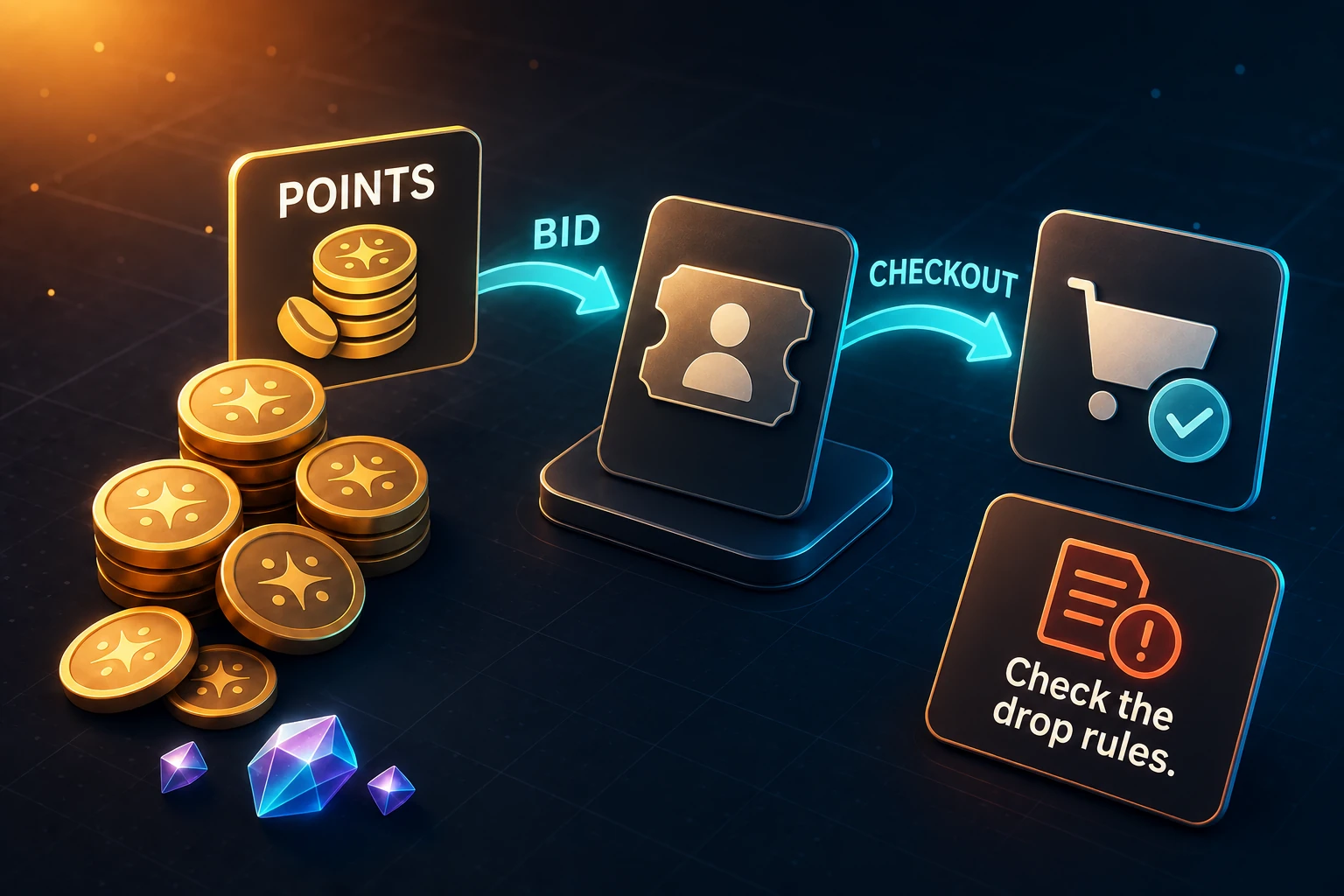
- MCP Priority Bidding is a bid using points to secure a priority Waitlist reservation for certain Drops.
- According to VeVe, points are deducted only if you win a reservation. If you are unsuccessful, no points are deducted.
- If you win a reservation and then do not buy, the points are not refunded. This is where the most costly misunderstandings happen.
- The reserved allocation varies by Drop. In some listings, for example, VeVe states that 40 percent of Waitlist reservations are allocated to MCP Priority Bidding, with a minimum bid of 5,000 points.
- The best strategy is not always the highest bid. Bid only if you genuinely want to buy the Drop, have enough Gems ready, and have set your maximum bid in advance.
What Is MCP Priority Bidding?
MCP Priority Bidding is a feature within the VeVe Master Collector Program. Collectors can use MCP points for a priority chance to secure a collectible reservation through a Drop’s Waitlist.
The wording matters: You are not buying the collectible directly with MCP points. You are bidding on a reservation—the opportunity to then buy the collectible at its list price using Gems.
VeVe describes Priority Bidding as one of the first tangible use cases for MCP points. If you want a refresher on Daily Points, sets, and how the points system works, see our 2026 MCP Basics Guide.
The Official Mechanic: What Really Happens When You Bid
The key point is that an MCP bid does not automatically mean losing those points. According to VeVe, points are deducted only if Priority Bidding successfully secures you a collectible reservation.
Here is the simplified process:
- You join a Drop’s Waitlist.
- If the Drop supports Priority Bidding, you can use MCP points to place a priority bid.
- After submitting it, you can increase or withdraw your bid while the Waitlist remains open.
- At Drop time, the highest bids receive reservations until the MCP allocation is filled.
- If you win, the MCP points you bid are deducted.
- If you are unsuccessful, no MCP points are deducted, and you remain in the standard Waitlist pool.
The strictest rule applies when you win but do not buy: If you receive a reservation through Priority Bidding and then fail to complete the purchase, VeVe states that your MCP points will not be refunded. That is the difference between “I only risk points if I succeed” and “I can casually pass after winning.”
How to Identify Priority Bidding in a Drop Listing
VeVe identifies Priority Bidding directly on its official Drop pages. The listing will typically include information about the Waitlist, Drop format, potential MCP allocation, and any minimum bid that may apply.
VeVe’s Marvel listing for Jubilee is a good example. For the June 28, 2025 Drop, VeVe stated that 40 percent of Waitlist reservations were allocated to MCP Priority Bidding and that the Blind Box had a minimum bid of 5,000 points.
Similar wording appears in other official listings. However, that does not mean you should apply those figures to every Drop. VeVe makes it clear that the percentage of reserved editions can vary by Drop.
Quick Listing Check
- Waitlist format: Is this actually a Waitlist Drop?
- MCP notice: Is Priority Bidding explicitly mentioned?
- Allocation: Does the listing specify a share such as 40 percent of reservations?
- Minimum bid: Is there a minimum bid, such as 5,000 MCP points?
- Drop type: Is it a Blind Box, an individual collectible, or a Drop with special mechanics?
- Purchase price: Do you actually have the required Gems ready?
Priority Bidding Is Not a Standard Auction
When collectors hear “bidding,” many immediately think of a Market auction. That can quickly lead to the wrong conclusion. With MCP Priority Bidding, you are not competing on a secondary-market price; you are competing for priority within a Drop process.
You are not paying more Gems for the collectible. You are spending points to improve the position of your Waitlist entry within the reserved Priority Bidding group. If you win, you still need Gems to pay the list price.
That is why MCP points and Gems must be considered together when preparing. Anyone who bids a large number of points without being able or willing to complete the purchase risks losing points unnecessarily. For the Gem side of the process, see our guide to buying VeVe Gems through the website vs. the app.
When Is MCP Priority Bidding Worth It?
Priority Bidding makes the most sense when three things align: The Drop is genuinely in demand, you would still want to keep the collectible with an average mint number or a less desirable variant, and you are prepared to permanently spend the points if your bid succeeds.
For Drops with normal or weaker demand, Priority Bidding may be excessive. If there is a good chance the Drop will remain available in the Store, become available through a Rebound, or appear on the Market later, a high point bid is often unnecessary.
A Simple Collector Matrix
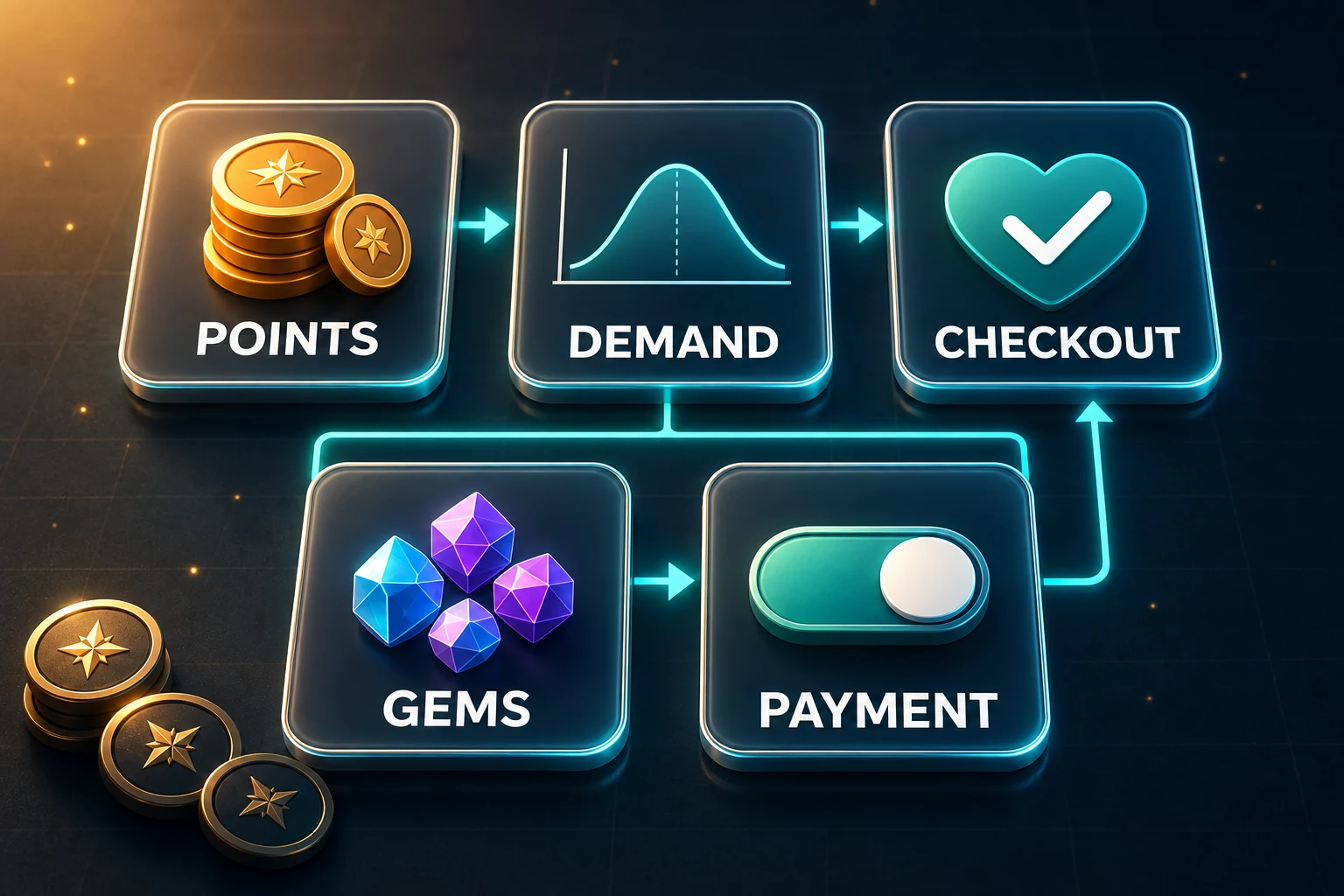
- Low point balance: Bid only when demand is extremely high. Do not place a bid that limits your options for upcoming priority Drops.
- Medium point balance: Use Priority Bidding selectively for Drops that genuinely fit your collection.
- High point balance: You have more flexibility, but you should still set a maximum bid.
- Extremely high Drop demand: Priority Bidding may make sense if you are prepared to buy the result.
- Normal Drop demand: First consider whether the Waitlist, a Rebound, or watching the Market is enough.
- Uncertain about buying: Do not bid. Uncertainty is costly with this mechanic.
- Gems not ready: Do not bid, or prepare them properly beforehand.
- Auto-Pay enabled: It may help complete the purchase, but it does not improve your chances of being selected.
- Risk of not buying: According to VeVe, if you win and do not buy, the points you spent will not be refunded.
Decide Your Best Maximum Bid in Advance
Because VeVe does not publish official average bids or winning thresholds, nobody can credibly say which bid is “guaranteed” to be enough. Any fixed threshold shared by the community is experience at most, not a rule.
Set a personal maximum bid before the Drop. That number should not come from FOMO, but from your collecting priorities: How important is this Drop to you, how many points do you have, and what else could you use those same points for later?
A Practical Pre-Drop Routine
- First, ask whether you would buy the collectible without the hype.
- Set a maximum bid before the Waitlist closes.
- Have your Gems or Auto-Pay setup ready in time.
- Decide in advance whether you are willing to accept every possible Blind Box rarity.
- Withdraw your bid if you realize shortly before closing that you do not genuinely want to complete the purchase.
For more on general Drop preparation, see our 2026 VeVe Drop Strategies Guide. The distinction between the Waitlist, Auto-Pay, Rebound, and MCP is especially important.
Common Mistakes That Burn MCP Points
Most problems do not arise because the mechanic is secret. They happen because collectors misunderstand key terms in the rush of a Drop or overestimate their willingness to buy.
Mistake 1: “Points Work Like a Refundable Deposit”
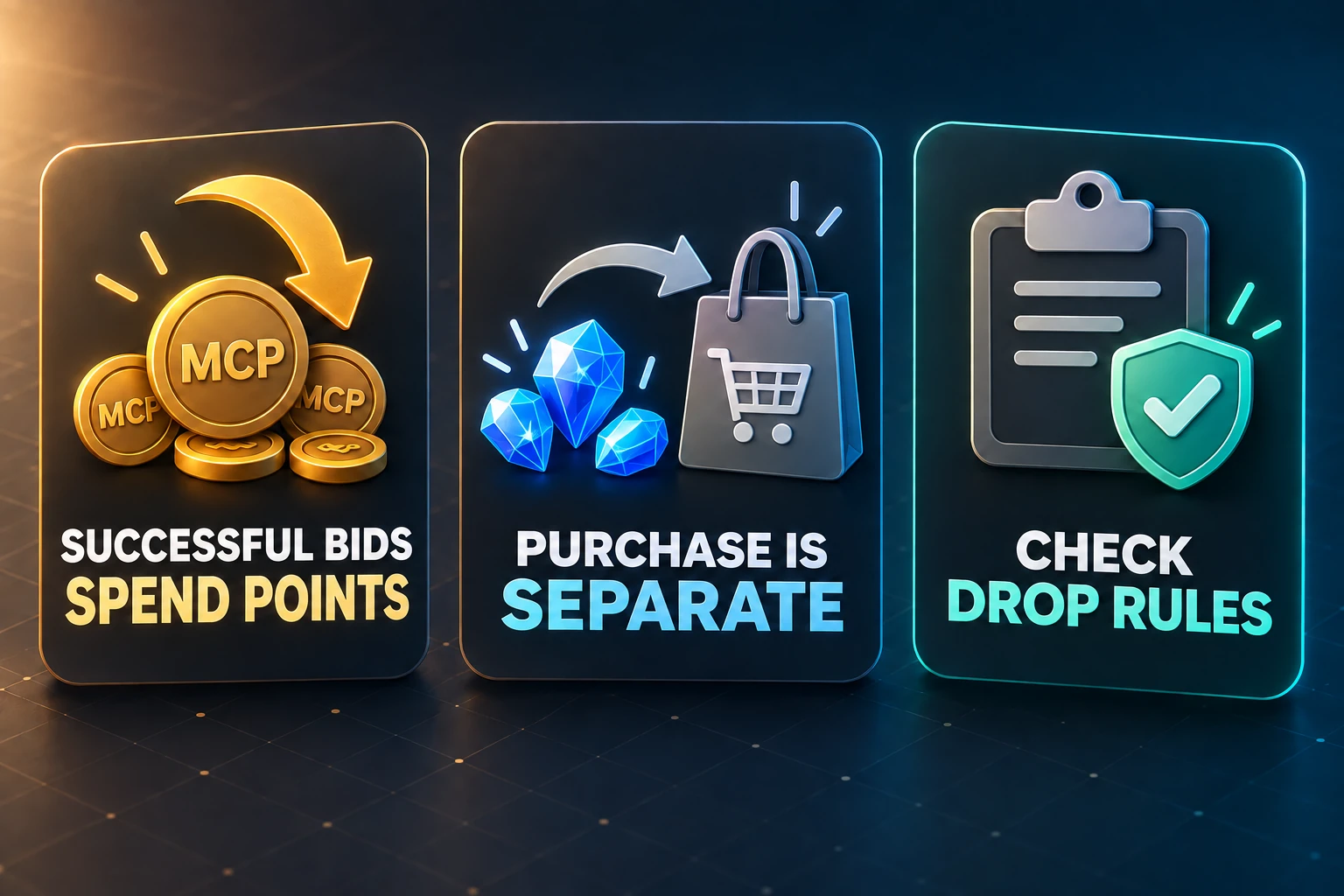
No. If your Priority Bid is unsuccessful, no points are deducted. However, if you win and then do not buy, VeVe states that your points will not be refunded.
Mistake 2: “I’ll Bid High and Decide Later”
This is the most costly mindset. You should use Priority Bidding only after you have already decided to buy. If you are just testing the mechanic, a successful bid could result in a real loss of points.
Mistake 3: “The Minimum Bid Means I Have a Good Chance”
A minimum bid is only the entry threshold for Priority Bidding. It does not indicate where successful bids will end up. For highly sought-after Drops, the minimum may be far below the actual winning range.
Mistake 4: “Auto-Pay Solves Everything”
Auto-Pay can automatically purchase a reservation you receive when all requirements are met. However, it does not automatically improve your chances of selection, nor does it replace proper Gem and account preparation.
Mistake 5: “I Ignore the Blind Box Risk”
With Blind Boxes, you do not know which rarity you will receive before completing the purchase. If you only want the top rarity but must buy whichever variant you receive after securing a reservation, you should bid very carefully.
Safety: Fake Forms, DMs, and Drop Stress
Fake links, supposed support DMs, forms, and promises of “Priority Access” regularly appear around sought-after Drops. MCP Priority Bidding does not require external forms, seed phrases, or wallet-connect requests sent through DMs.
Use only official VeVe access points and verify Drop information directly through VeVe communications or the app. If someone asks you to complete a form to “confirm your bid,” send payment details outside the platform, or share login codes, that is a clear warning sign.
For a basic security routine, we recommend the 2026 VeVe Beginner’s Guide and our article on Custody vs. Self-Custody for Collectors. Even though MCP Priority Bidding takes place within VeVe’s app-based ecosystem, account security remains essential.
What VeVe Does Not Reveal—and How to Stay Rational Anyway
VeVe’s official Drop pages provide information about the mechanic, minimum bids, and sometimes the reserved allocation. What they do not provide are reliable average bids, historical cutoffs, or guaranteed thresholds for future Drops.
That may be frustrating, but it can still be handled strategically. You do not need perfect information; you need a clear limit: How many points is this specific Drop worth to you if you actually receive it?
Rational Guidelines
- Bid only if you are certain you want to buy.
- Never assume a reservation is guaranteed.
- Compare the point cost with upcoming Drops on your wish list.
- Do not increase your bid just because other collectors are getting nervous in chats.
- After important Drops, record what you bid and how you feel about that decision.
Collector Checklist Before Every MCP Bid
- Listing reviewed: Check the Drop time, format, price, rarities, and MCP notice.
- Minimum understood: The minimum bid does not guarantee success.
- Maximum bid recorded: Avoid impulsively escalating just before the Waitlist closes.
- Gems ready: Verify the purchase price and payment method in advance.
- Auto-Pay used intentionally: It helps with checkout, not selection.
- Blind Box accepted: You are prepared to buy a less desirable variant as well.
- Scam check passed: No DMs, fake forms, or external payment methods.
MCP Priority Bidding FAQ
Are My MCP Points Deducted Immediately?
No. According to VeVe’s description, points are deducted when Priority Bidding successfully secures you a reservation. If you are unsuccessful, no points are deducted.
Do I Get My Points Back If I Win but Do Not Buy?
No. This is the most important risk rule: If you win a reservation and do not complete the purchase, VeVe states that the MCP points you spent will not be refunded.
Can I Change My Bid?
Yes. According to VeVe, you can increase or withdraw your bid while the Waitlist remains open. Once the Waitlist closes, you should not expect to be able to reverse your decision.
Is a 5,000-Point Bid Enough?
There is no universal answer. Some listings may specify 5,000 points as the minimum bid. However, a minimum bid only allows you to participate; it does not mean your bid will be successful.
Should I Use MCP Priority Bidding for Every Drop?
No. Use it selectively for Drops you genuinely want to buy and collect. For regular Drops, it may make more sense to save your points and calmly watch the Market or wait for possible Rebounds.
Conclusion: Priority Bidding Is Powerful, but It Requires Care
MCP Priority Bidding is a central VeVe mechanic because it turns points into real Drop decisions. That is exactly why it should not be treated as a free bonus. Successful bids cost points, and failing to buy after winning can make that point loss permanent.
The best strategy is simple but uncomfortable: Bid only if you genuinely want to buy. Anything else is not smart opportunity management—it is Drop stress with the risk of losing points.
Sources