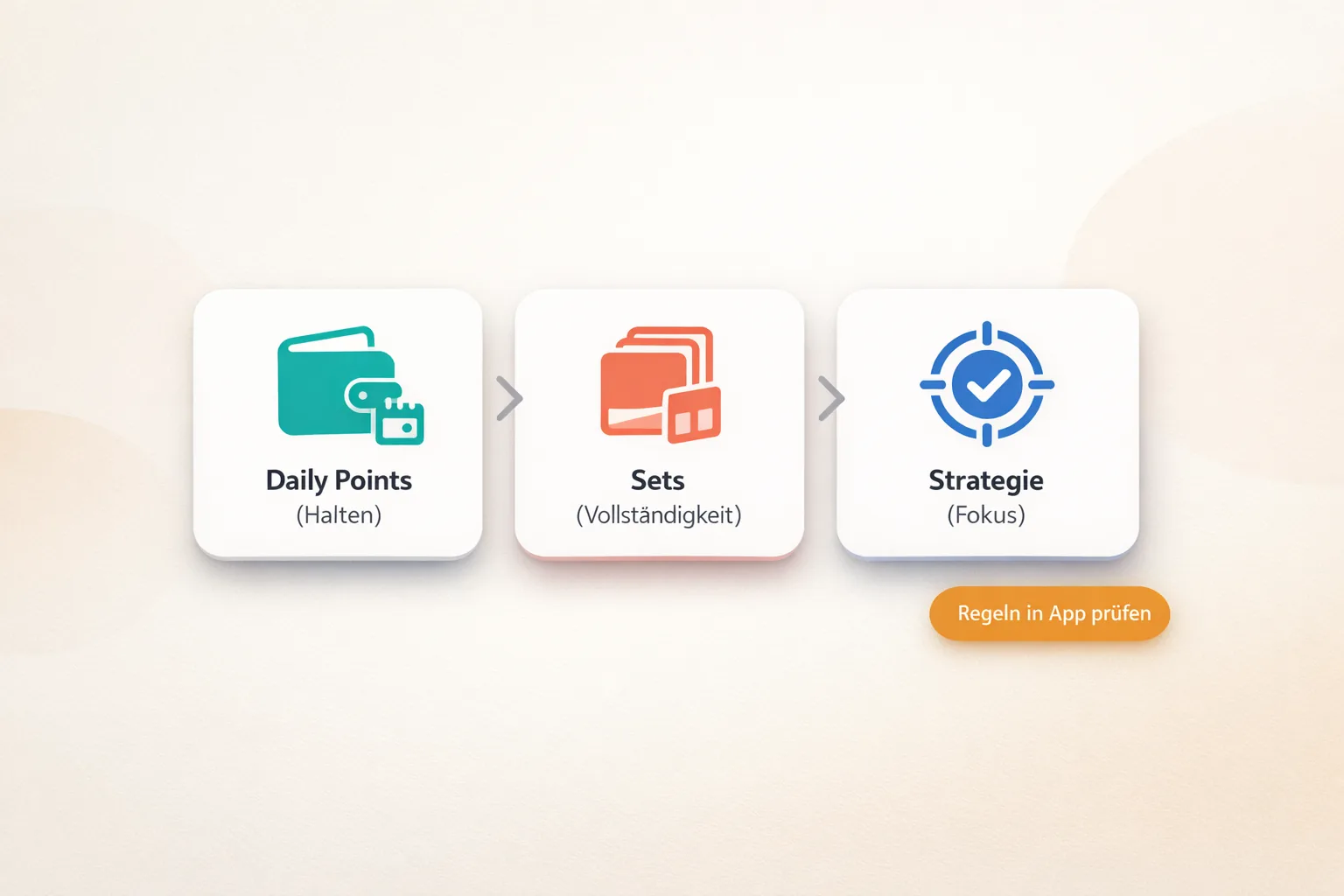
The Master Collector Program (MCP) is designed to reward collectors who build their VeVe collections with purpose—not just “buy and hope.” In practice, it usually comes down to three levers: Daily Points from holding, sets from completing them, and a long-term structure that helps you avoid costly mistakes made just for points.
TL;DR: Daily Points are the “steady engine” (continuously earning points by holding), while sets can provide a “boost” (completion may count for more). The key is to plan only around the current MCP rules shown in the app or official communications, never “buy in advance” based on assumed benefits, and build a collection you would enjoy even without MCP.
What Is MCP—and What Isn’t It?
MCP is VeVe’s collector program, which can convert activity and collection depth into a points system. Important: Even if you earn a lot of points, that does not automatically guarantee benefits, profits, or priority access to purchases. MCP can change, and its rules, calculations, and potential benefits are inherently dynamic.
If you want a solid foundation covering the terminology, context, and purpose of MCP, read our companion guide: Master Collector Program (MCP) Explained.
The Collector-First Principle
Build your collection so that it still “works” without MCP: you enjoy the IP, the format (comics vs. 3D), the series, the artist, or the character. MCP should be a bonus—not your only reason for buying.
Daily Points: How They Work Without the Myths
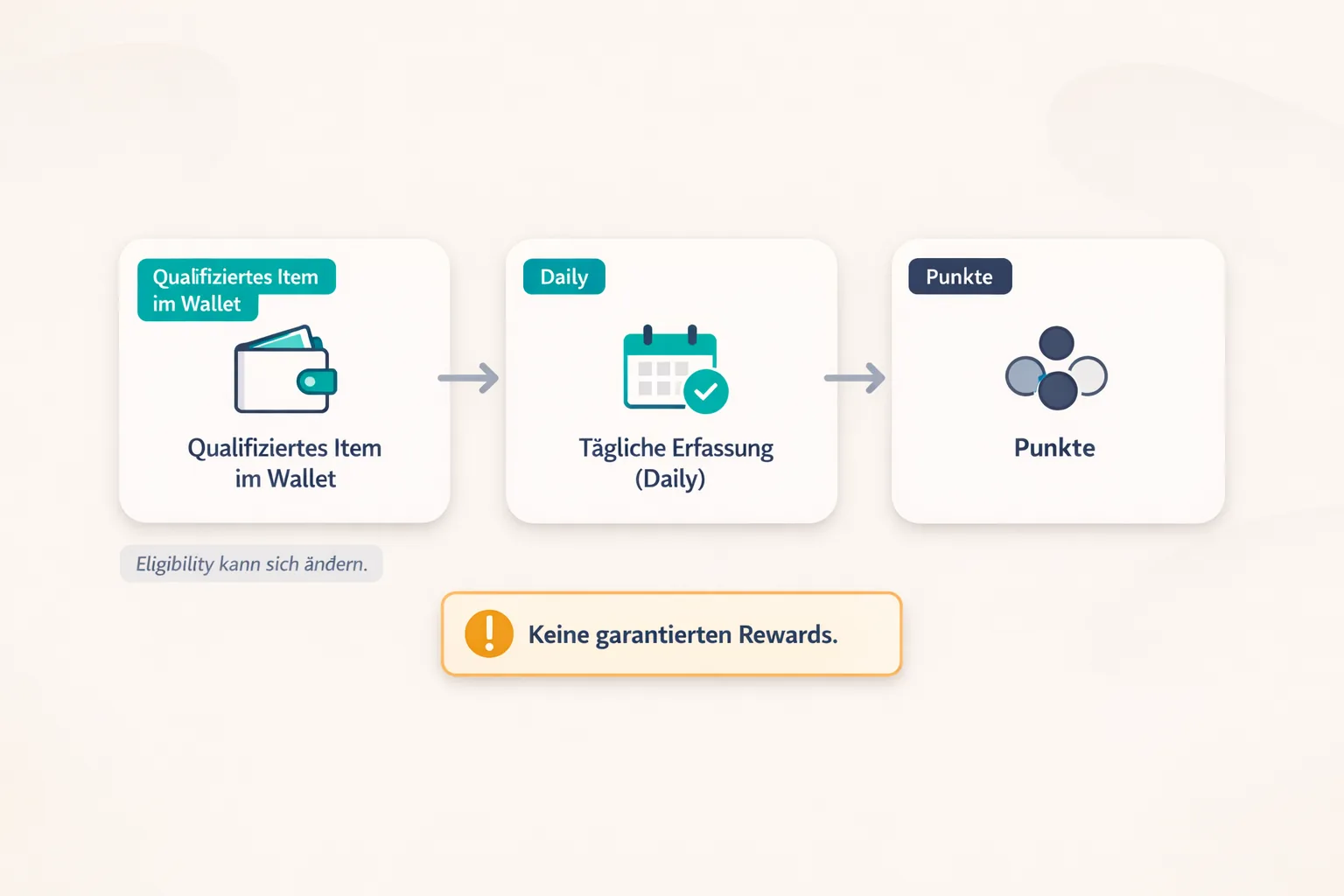
Daily Points are generally points you receive each day for holding certain collectibles or comics while your account qualifies for MCP. Think of them as “holding points”: the focus is not trading, but holding.
What Daily Points Typically Depend On
- Eligibility: Whether your account and assets currently count toward MCP. The best place to check is directly in the app’s MCP section.
- Holding over time: Daily Points generally reward consistency. Collectors who constantly flip everything often build a less stable Daily Points foundation.
- Asset type and classification: Some programs distinguish among collectibles, comics, sets, series, or rarities. Always check the current MCP rules to confirm which details apply.
The Most Common Misconception About Daily Points
“If I buy X, I’ll get Y benefits.” That is exactly where collectors can burn money. Daily Points are points, not automatic rewards. Even when rewards exist, their requirements, availability, or prioritization can change.
Practical Tip: Treat Daily Points Like a Health Metric
If Daily Points matter to you, build them like a “stability score”: choose a small number of core series that fit your collection and that you already want to hold. Daily Points then become a byproduct of collecting—not the driver behind your purchases.
Sets: What They May Offer—and When Completing a Set Is a Mistake
Sets are, in simple terms, complete groups of related items that you own in full. Depending on the current MCP rules, complete sets may provide additional points, multipliers, or other considerations. But completing the set is not automatically “better”—sometimes it is simply more expensive.
When Sets Make Sense
- You already collect the series for its story, design, nostalgia, or display appeal.
- You are only missing a little, such as one or two items, and completing it is reasonably affordable.
- The set is “clean”: its contents are clearly defined, there are no confusing variants, and you understand exactly what counts toward the set.
When Completing a Set Becomes Risky
- “Just for points”: You buy items you do not like simply to get a set completion marker.
- FOMO completion: The final item is extremely expensive, but you force the purchase anyway—even though you do not want to hold the rest long term.
- Unclear set definition: You are unsure whether the group actually counts as a set or whether variants or editions are treated differently.
For a deeper look at “strategy without hype,” see: VeVe Drop Strategies 2026 (Including MCP). It is particularly useful when weighing Drops against secondary market purchases.
How to Structure Your Collection for MCP Without Burning Money
The “trick” is not to own as many things as possible. It is to clearly organize what you hold and why. A collection built with MCP in mind is usually focused:
1) Define Your Core Collection
Choose one to three areas of focus, such as an IP (Star Wars/Marvel/Disney), a format (comics vs. 3D), or a particular series. Everything else is “optional.”
2) Clearly Separate Holding From Trading
If you trade, do it intentionally within a separate “layer” of your collection. Daily Points generally benefit from stable holdings, while constant reshuffling often leads to frustration.
3) Always Calculate the Net Result (Fees, Costs, and Friction)
Many poor MCP decisions happen because collectors ignore Market prices and fees. If you buy or sell on the Market—even occasionally—you need a realistic view of the costs. For an overview, see: VeVe Fees & Costs Explained.
4) Complete a Set Only if It Fits You
If you complete a set only to check a box, there is a good chance you will sell it again later—and the friction from fees and price movements may wipe out the MCP effect.
5) Keep Your Expectations for Benefits Deliberately Low
With programs such as MCP, it pays to keep expectations realistic: requirements can change, benefits may be limited, or they may not materialize at all. For more context, see our simplified overview of the terms and rules surrounding Gems: VeVe Gems Terms (Nov. 2025) Explained Simply.
Quick Start: Set Up MCP Properly, Step by Step
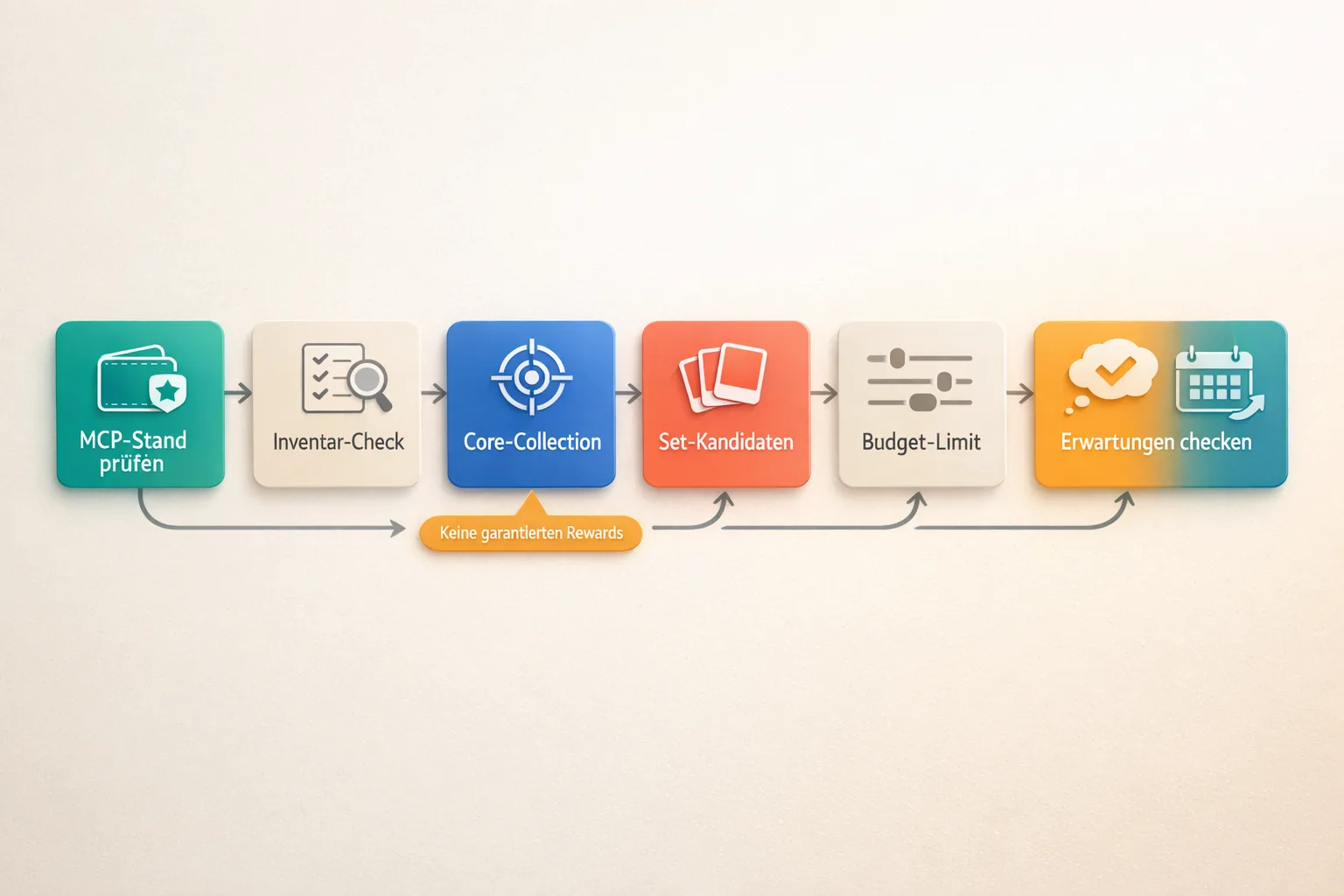
- Check the current MCP status: Open the MCP section in VeVe and confirm whether your account is active or eligible and which categories currently count.
- Review your inventory: Go through your collection and briefly note your largest holdings—which series, IPs, and formats (comics/collectibles) you own.
- Establish your Daily Points foundation: Intentionally choose items you want to hold for at least several weeks or months as your core collection.
- Identify set candidates: Look for sets you are already close to completing. Prioritize those you would enjoy as a collector even without MCP.
- Define your budget and limits: Set the maximum amount you will spend each month on MCP optimization—and decide when you will stop.
- Do not buy based on assumed benefits: If your only reason for a purchase is “this will probably provide benefits,” pause, check the current rules, and then decide.
- Schedule a rebalancing day: Once a week or month, briefly review what you genuinely want to hold and what is merely “points baggage.”
Collector Checklist: Review This Before Optimizing for MCP
- I checked the current MCP status in the app—not just on social media or in chats.
- I know which items I want to hold long term, regardless of points.
- I can explain why a set makes sense for me, not just “because it is a set.”
- I am accounting for fees and costs by thinking in net, not gross, terms.
- I have a clear monthly budget for MCP optimization.
- I can comfortably postpone a purchase when I do not have enough information.
- I have a simple note or overview of the sets I am actively pursuing.
Common Mistakes to Avoid So MCP Doesn’t Get Expensive
- Mistake: Confusing points with rewards.
Fix: Points are a score. Rewards or benefits, if any, are a separate layer with their own requirements. - Mistake: Completing a set at any cost.
Fix: Only complete sets you genuinely want to collect—or when the remaining pieces are reasonably priced. - Mistake: Collecting everything at once.
Fix: Choose one to three areas of focus and make everything else optional. Focus beats volume. - Mistake: FOMO after rule changes.
Fix: Check the current MCP rules first, wait 24 hours, and then decide. - Mistake: Ignoring fees and friction.
Fix: Before every purchase or sale, roughly calculate the net result and whether it makes sense from a collector’s perspective. - Mistake: Keeping a “points inventory” you do not care about.
Fix: If you hold items only for points and they bring you no enjoyment, there is a good chance you will later sell them out of frustration. - Mistake: Treating rumors as rules.
Fix: Base your understanding of MCP rules only on official displays or communicated updates. Anything else is guesswork.
New to VeVe? If you sign up through our link at no additional cost to you, the current sign-up credit guide says you will receive $10 in starting credit.
Key Terms Explained So You Can Follow MCP Discussions
- MCP (Master Collector Program): VeVe’s collector program, which may convert ownership, activity, and collection completion into points depending on the current rules.
- Daily Points: Points you typically receive each day for holding eligible assets.
- Set: A defined group of related items that may be considered complete when you own every component.
- Set completion: Intentionally completing the set to reach collection milestones and potentially receive MCP-related effects.
- Core collection: The part of your collection you hold long term because it matters to you personally, regardless of MCP.
- Friction: Anything that reduces your net result, including fees, the spread between buy and sell prices, timing, and liquidity.
- Eligibility: Whether an asset or account counts toward MCP under the current rules.
FAQ
Do I Automatically Receive Benefits if I Earn a Lot of Daily Points?
Not automatically. Daily Points primarily increase your point total. Whether any benefits are tied to them depends on the current MCP design and any potential reward structures.
Is It Better to Hold Many Inexpensive Items or a Few “Good” Ones?
Collector-first: “better” means what you enjoy holding. From an MCP perspective, the current rules—which assets count and how—are what matter. Without verified rules, any blanket calculation is uncertain.
Should I Always Complete Sets?
No. Sets make the most sense when you already collect the series or when you are only missing a few pieces and the price remains fair. Completing a set “just for points” is one of the most expensive mistakes.
What if the MCP Rules Change?
Flexibility then becomes the most important skill. That is why it helps to have a core collection you enjoy even without MCP. Set budget limits as well, and avoid purchases based only on speculation.
Where Can I Find More Strategy and Analysis Guides?
The blog overview is an ideal starting point for finding relevant guides: VeVeInsider Blog.
Final Take: MCP Should Be a Bonus, Not a Reason to Buy
If you want to approach MCP the “right” way in 2026, you do not need a perfect spreadsheet strategy. You need three things: check the rules, collect with focus, and manage expectations. Daily Points can provide consistency, and sets can help—but only when they fit your collecting style.
New to VeVe? If you sign up through our affiliate link at no additional cost to you, the current sign-up credit guide says you will receive $10 in starting credit.
Sign Up for VeVe With Starting Credit
Note: Affiliate link (we may receive a commission at no additional cost to you).