When reading VeVe listings, you will quickly come across abbreviations such as FA, FE, CE, and AP. Then there are rarity, Edition Type, Special Edition, mint number, series name, set assignment, and sometimes additional details about comics, artwork, or events.
The problem is that many of these details appear equally important, but they do not mean the same thing. This guide clearly separates the terms so you do not overvalue an item because of a label or overlook important listing details.

TL;DR: The Key Points in 60 Seconds
- FA stands for First Appearance on VeVe: the first appearance of a character as a VeVe Premium Digital Collectible.
- FE stands for First Edition: typically the first appearance of a non-character-based object, vehicle, artwork, or format on VeVe.
- CE means Con Exclusive and describes the event context, not necessarily the strongest collector significance.
- AP stands for Artist Proof and is mainly relevant in special artwork or one-of-one contexts.
- Rarity indicates a rarity tier within a Drop, but it is not the same as Edition Type.
- Mint number is the unique number assigned to your edition. A lower number may interest collectors, but it is not automatically better or more valuable.
Why VeVe Labels Are So Often Misunderstood
VeVe combines traditional collecting with digital listings. That brings two worlds together: comic and collectible terminology on one side, and app fields and Market mechanics on the other.
A common mistake is treating every visible label as a signal of value. In reality, each field serves a different purpose. Some describe origin and context, others describe the edition itself, and others show an item’s place within a collection.
If you want to take a deeper look at buying and selling decisions, the VeVe Market Guide is also useful. It focuses more closely on listings, liquidity, timing, and common trading risks.
Key Terms Explained: FA, FE, CE, AP, Special Edition, Rarity, and Mint
FA: First Appearance
FA means First Appearance. On VeVe, it marks a character’s first appearance as a Premium Digital Collectible on VeVe.
The exact meaning matters: it does not automatically refer to the character’s first appearance in comics, film history, or on any blockchain. It refers to that character’s first appearance as a VeVe collectible.
For example, when a well-known character is released as a VeVe 3D collectible for the first time, the FA designation may be meaningful to collectors. However, the label alone is no substitute for evaluating popularity, design, edition count, demand, rarity, and Market liquidity.
FE: First Edition
FE means First Edition. VeVe describes FE as a category for non-character-based items—such as vehicles, artifacts, artwork, or certain art-based formats—when they appear on VeVe for the first time.
FE is therefore not simply a “weaker FA.” It answers a different question: not “Is this the character’s first appearance?” but rather “Is this the first time this object or format has appeared on VeVe?”
CE: Con Exclusive
CE stands for Con Exclusive. The label indicates a convention or event context, such as releases connected to Comic-Con, DesignerCon, or similar special events.
CE is primarily a signal of origin and context. It tells you that an item was released as part of a special event. However, it does not automatically mean the item is more desirable, scarcer, or more important over the long term than a comparable item without CE.
AP: Artist Proof
AP stands for Artist Proof. In the VeVe context, AP appears primarily on special artwork listings or highly specialized editions.
This is where reading the item page carefully is especially important. Check whether it is artwork, a near-one-of-one format, an auction, or another special context. AP is not a standard rarity tier such as Common or Secret Rare.
Special Edition
Special Edition is not a substitute for FA or FE. The term describes a special version, distinctive variant, or limited special context within a release.
A Special Edition on VeVe can look visually distinctive, with a different pose, colorway, style, event variant, or alternate presentation. Collectors may find that appealing, but you should always check exactly what makes it special and whether it genuinely interests you as a collector.
Rarity
Rarity refers to an item’s rarity tier within its release. Depending on the Drop structure, typical tiers include Common, Uncommon, Rare, Ultra Rare, and Secret Rare.
Rarity is not the same as Edition Type. An item can have a rarity without being FA or FE. Conversely, an FA item can have different rarity tiers within its series when multiple variants exist.
Mint Number
The mint number, or edition number, is the unique number assigned to your specific edition. It distinguishes your item from the others in the total edition count.
Low mint numbers, special numbers, or so-called “matching mints” may interest certain collectors. However, a low mint number does not automatically turn an unpopular item into a strong collectible.
A Practical Framework for Reading a VeVe Item Page
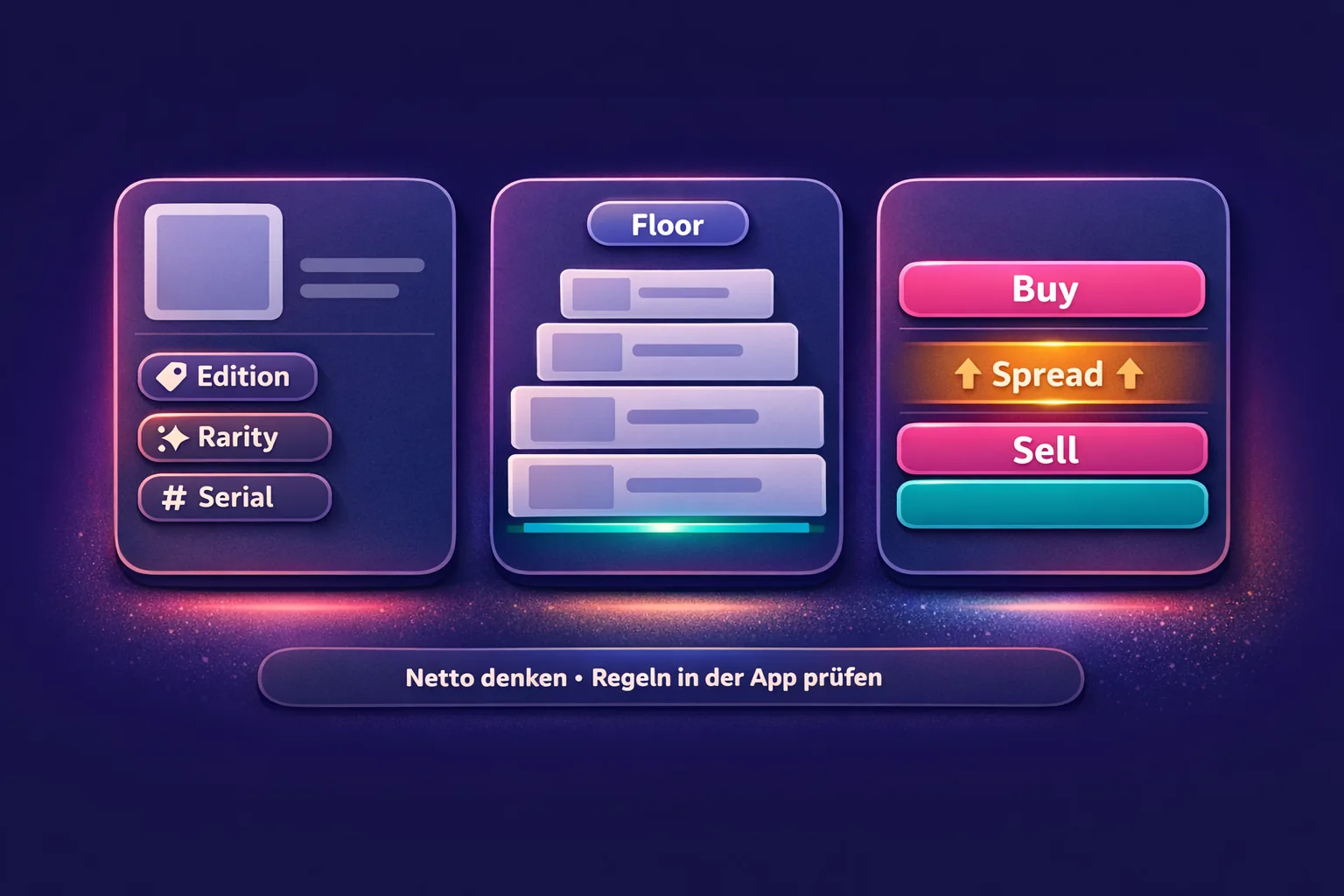
When you open a listing, do not read it from “hype” to “price.” Read it from structure to decision. This reduces poor purchases and makes you less vulnerable to FOMO.

Step 1: What Is the Item?
Start with the basic question: Is it a 3D collectible, artwork, comic, prop, vehicle, diorama, or another category? Only then does it make sense to put FA, FE, or AP into context.
A character collectible is evaluated differently from a vehicle. A digital comic follows a different logic from a one-of-one artwork.
Step 2: Read the Edition Type Separately
Check whether an Edition Type is shown. FA, FE, CE, and AP describe special characteristics or contexts, but they do not replace an analysis of the item itself.
Ask yourself: Is the label central to the collector thesis here, or is it merely an additional detail? An FA for an iconic character may carry more weight than an FA for a character with little demand. A CE may be interesting when the event matters to the community, but that is not always the case.
Step 3: Check Rarity and Edition Size
Next, look at the rarity and available edition details. Rarity tells you how the variant is classified within the Drop. The edition size helps you understand the supply.
Together, these are more useful than rarity viewed in isolation. Secret Rare may sound strong, but without demand, brand interest, and healthy Market liquidity, it can still be a risk.
Step 4: Evaluate the Mint Number Last
The mint number is a fine-tuning factor. It matters if you specifically collect low, visually appealing, or otherwise special numbers. However, it should not be your primary reason for buying.
A practical order is: item first, then Edition Type, then rarity and supply, followed by design and demand, and finally the mint number. This keeps an attractive number from replacing your actual collector thesis.
Why Comics Are Usually Treated Differently From Collectibles
Comics are their own collecting category on VeVe. They have cover variants, digital reading features, publication history, story significance, and often a direct connection to key physical comic issues.
That calls for a different way of thinking. For comics, “First Appearance” can mean that a character first appeared in that real-world comic issue. However, this is not automatically the same as an FA label on a VeVe collectible.
A classic Marvel key issue may appeal to collectors because the real-world source material is important. Even so, you should distinguish between two things on VeVe: Are you discussing the comic’s historical significance or the Edition Type of a digital collectible?
If you want to explore this distinction further, see VeVe Comics vs. Collectibles. For an introduction to digital comics, the VeVe Comics Guide is a better starting point.
Common Misconceptions Collectors Should Avoid
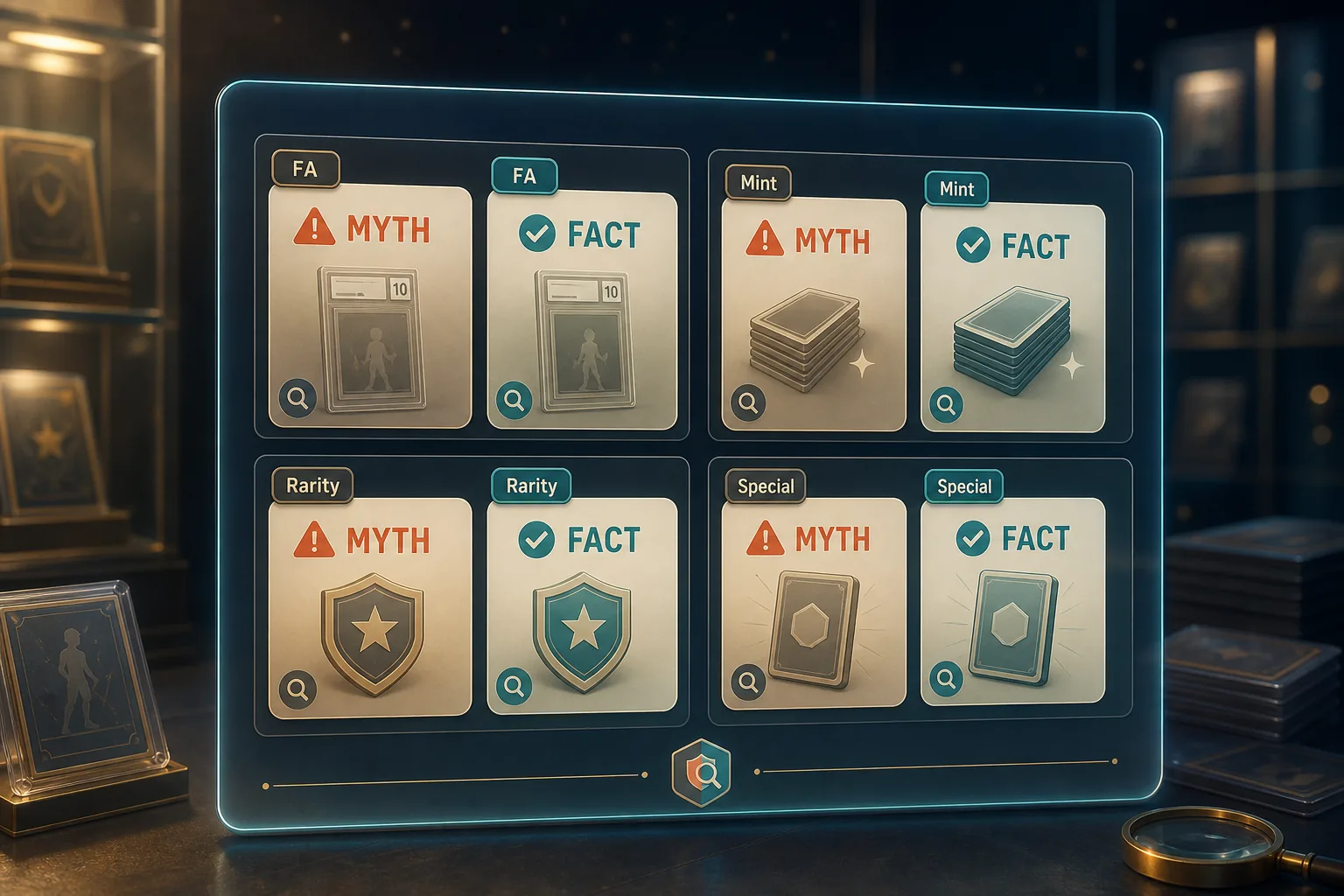
Mistake 1: “FA Automatically Means Valuable”
FA is a strong historical signal, but it is not a promise about price. An FA may be in demand when the character, brand, design, edition count, and community interest align.
If demand is missing, even a strong label only helps so much. Do not collect an abbreviation alone; collect an item that makes a compelling case.
Mistake 2: “A Low Mint Is Always Better”
Low mint numbers may justify a premium when buyers are willing to pay for them. They can also become a trap if you buy well above the floor price and later find little liquidity.
Check whether similar low mints are actually selling or whether the Market only shows aspirational asking prices.
Mistake 3: “Secret Rare Always Beats Common”
Rarity is only one part of the evaluation. Sometimes the Common variant is more visually iconic, closer to the original design, or more accessible to collectors.
Especially with well-known characters, the “classic” version may matter more than a rarer special pose. Do not make decisions based solely on the rarity tier.
Mistake 4: “Special Edition Is Automatically Better Than Standard”
A Special Edition can be a strong visual alternative. However, it may also be only a contextual or variant label that does not fit your collecting goals.
Ask yourself: Do you want the character in its iconic form, or do you specifically want the alternate special version? Both choices can make sense, but they follow different collecting approaches.
If you are just getting started, read the VeVe Sign-Up Bonus Guide before creating an account. It explains how to get started and how you may receive $10 in free starting credit when you sign up, without implying any promise of value or profit.
Collector Checklist: What to Review Before Buying
- Item type: Collectible, comic, artwork, vehicle, prop, or diorama?
- Edition Type: FA, FE, CE, AP, or no special type?
- Rarity: What rarity tier does the specific variant have?
- Edition size: What is the total edition count or available supply?
- Mint number: Is the number genuinely meaningful to collectors, or does it simply look nice?
- Design: Is it the iconic depiction or a special variant?
- Brand and character: Do you genuinely collect the subject, or are you only chasing a label?
- Market conditions: Are there active listings, sales, and realistic liquidity?
- Budget: Does the purchase fit your collecting budget even if the price later falls?
For a broader view of your collection, also see the article about the VeVe Collection View. It explains how to interpret sets, comics, and collection statistics more clearly.
What Really Matters to Collectors?
Collector significance rarely comes from a single field. It develops through the combination of character, brand, history, design, scarcity, demand, and your personal collecting goals.
An FA can provide a strong foundation. A low mint can be a bonus. A Special Edition can stand out visually. But none of these characteristics replaces the question of whether you would still enjoy having the item in your collection without short-term Market movement.
A collector-first approach means collector thesis first, price second. If you buy based only on abbreviations, you may understand the listing faster than you understand the item itself.
Mini Glossary for Quick Market Decisions
- Edition Type: A special label such as FA, FE, CE, or AP.
- Rarity: The variant’s rarity tier within a Drop.
- Edition number or mint number: The unique number assigned to your edition.
- Floor: The lowest currently visible listing price on the Market.
- Set: A related group of items that may matter to collectors and programs.
- Variant: An alternate version of an item, such as a different pose, color, cover, or design.
FAQ: Common Questions About VeVe Edition Types
Is FA Always Better Than FE?
No. FA and FE describe different things. FA applies to characters, while FE applies to non-character-based objects or formats. Which one is “better” depends on the specific item and your collecting goals.
Do Comics on VeVe Also Count as FA?
Comics should be interpreted carefully. A comic may historically contain a character’s first appearance, but that is not automatically the same as an FA label on a VeVe collectible.
Is a Special Edition Rarer?
Not necessarily. Special Edition initially means a special version or context. You need to review the specific listing to determine whether it is actually scarcer, more in demand, or more important to collectors.
Which Matters More: Rarity or Mint Number?
Both can matter, but neither should be viewed in isolation. Rarity describes the variant, while the mint number identifies your specific edition. A strong item with healthy demand is often more important than an attractive number on a weak item.
How Should a Beginner Get Started?
Start with the fundamentals, not the abbreviations. The VeVe Beginner’s Guide helps you understand accounts, security, your first purchase, and common pitfalls.
Conclusion: Read the Labels, but Do Not Collect Blindly
FA, FE, CE, AP, Special Edition, rarity, and mint number are useful signals. They help you classify a VeVe item more quickly and recognize differences between variants.
However, the strongest collecting approach remains levelheaded: understand the item first, then the label, and then the Market mechanics. Following this order helps you collect more intentionally and avoid the most common purchasing mistakes.
Want to try VeVe for yourself? When you sign up through our affiliate link, Join VeVe with $10 in starting credit, you may receive $10 in free starting credit. Disclosure: VeVeInsider may receive a commission; there is no additional cost to you, and you receive $10 in free starting credit.
Sources