The VeVe Marketplace looks simple at first: choose a listing, buy it, and sell it again later. In practice, however, liquidity, spread, fees, and your timing determine whether you collect with confidence—or get caught up in stressful trades.
This guide puts collectors first. You’ll get a clear process, common pitfalls, and a documentation standard that can ultimately help you more than any “alpha” shared in a chat.
TL;DR
- Before every purchase: Check the floor, listing depth, recent sales—not just the “lowest ask”—and your exit plan.
- Spread is your reality check: If “buy low” and “sell immediately” don’t line up, liquidity is often worse than it appears.
- Always calculate fees on a net basis: What matters for planning is what you receive after fees—not the attractive listing price.
- Timing beats gut instinct: Post-Drop activity, news spikes, and quiet periods all carry different risks.
- Documentation: Screenshots + price notes + context = less “I think,” more “I know.”
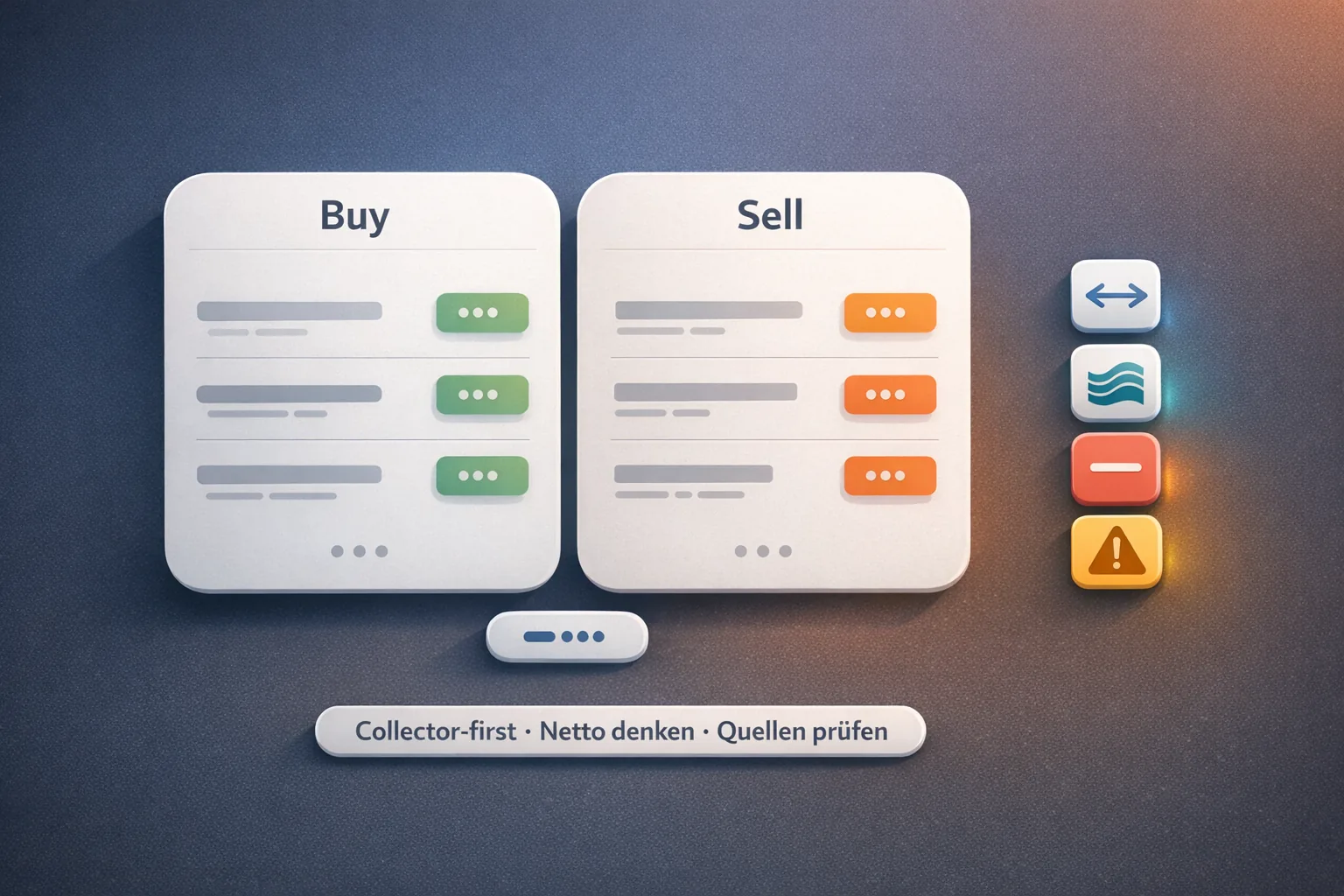
Before You Start: What You’re Actually Trading on the VeVe Marketplace
On VeVe, you generally trade digital collectibles (3D) and digital comics within the VeVe ecosystem. It operates like a marketplace, but the rules are platform-specific: currency (Gems), fee structures, payout availability, KYC/eligibility, and—depending on the stage of development—topics such as migration and self-custody.
For more context on fees, liquidity, and trading, see VeVe Secondary Market.
If you’re new or still sorting out the terminology, start with What Is VeVe? and take five minutes to get the fundamentals straight.
A Collector-First Mindset: Your Goal Determines Your Rules
There are roughly three clear reasons to buy on the Marketplace. Each category requires different checks—and helps prevent different mistakes.
- Collecting: You want to hold an item long term. In that case, whether it fits your collection matters more than getting the perfect entry.
- Upgrade/Swap: You want to trade one variant for another, for example. Spread, fees, and liquidity matter especially here.
- Short-Term Flip: Possible, but the riskiest option. Without a plan and documentation, this is where you’re most likely to become your own worst-case scenario.
Quick Start: How to Buy & Sell Step by Step Without the Chaos
If you adopt only one routine, make it this one. It is intentionally designed around sound decisions, not “maximum returns.”
Step 1: Set Your Goal & Budget Before Viewing Listings
Define your reason in one sentence: “I’m buying X because…” Then add a firm budget. If you can’t do that, it’s usually FOMO—not a strategy.
Step 2: Check the Market Context—Post-Drop Activity, News, and Hype
Ask yourself: “Why is the Market moving right now?” Post-Drop activity, rumors, social-media hype, and ordinary demand are very different setups. For Drop days and mechanics such as the Waitlist and Rebound, this context guide can also help: VeVe Drop Strategies (Waitlist, Autopay, Rebound, MCP).
Step 3: The Floor Is a Starting Point, Not a Decision
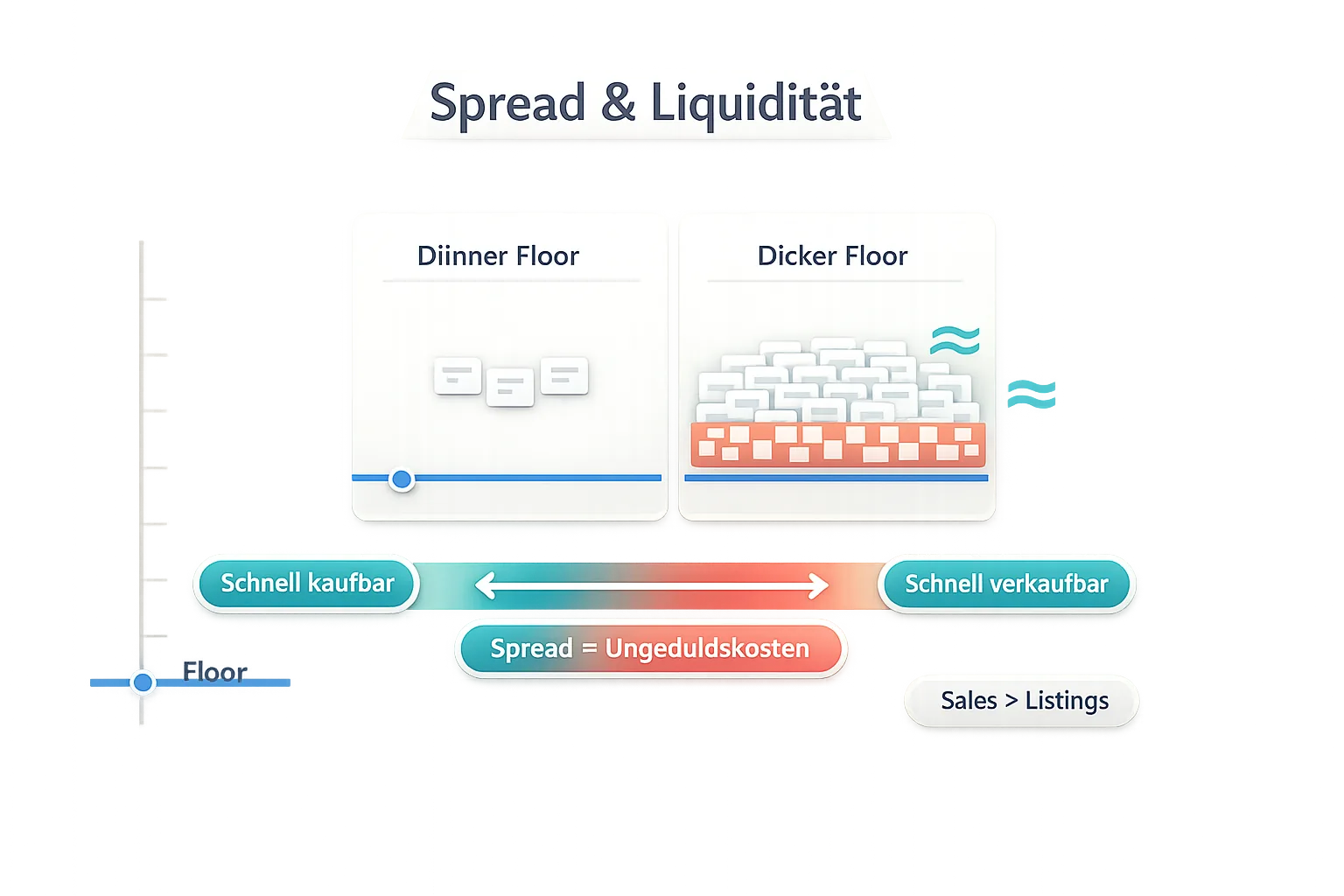
The lowest price is only the first number. What matters is how “stable” that price appears. Are there many listings at that level—a thick floor—or only one or two—a thin floor? A thin floor can feel like an illusion as soon as someone buys or lists another edition.
Step 4: Read the Spread & Liquidity Before You Buy
A Market can look active while still being difficult to trade. Check whether you can realistically exit again within your timeframe—and at what price.
Step 5: Understand Fees and Net Proceeds
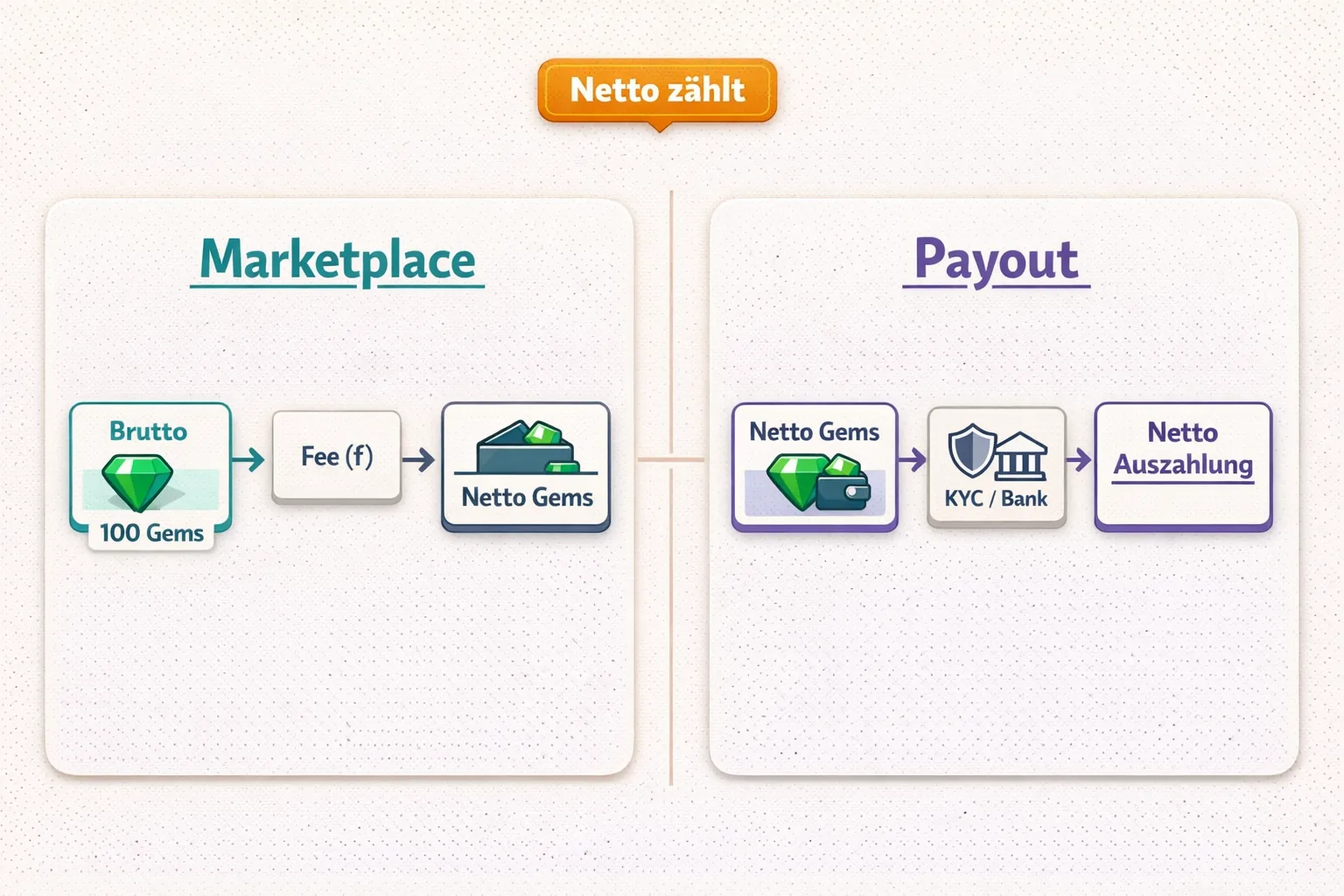
Plan with net figures, not gross figures. If you’re unsure which fees may apply and where, use this as a starting point: VeVe Fees & Costs. (Important: Rules can change, so always double-check the app and Terms.)
Step 6: Buy—but Keep Proof
Immediately after buying, create a quick “audit snapshot” with a screenshot and note so you don’t have to guess later. Documentation sounds boring—until you need it.
Step 7: Sell With a Pricing Strategy and Patience, Not Reflexive Undercutting
Many losses don’t happen when buying, but during a rushed sale. Set a clear rule: “I will adjust my listing only if…” For example, only if the floor has made a sustained move—not whenever a single seller undercuts you.
Step 8: After the Trade, Note What You Learned
One or two lines are enough: Why did you buy? Why did you sell or decide not to sell? What was the trigger? This is your personal playbook—and over time, it becomes more valuable than any single opinion.
Supply & Demand on VeVe: The Basics That Actually Matter
At its core, the Marketplace is simple: buyers meet sellers. But with digital collectibles, perceived scarcity and actual Market liquidity are often confused.
Listing Depth: A “Thick” vs. “Thin” Floor
A thick floor means many listings are priced close together. This often appears more stable, but it can also mean many people are trying to exit at the same time. A thin floor can jump quickly—and fall just as quickly when new listings appear.
Sales vs. Listings: What’s Real and What’s Wishful Thinking?
Listings are wishes, or asks. Sales are reality: what buyers actually paid. If you only look at asks, you’re stuck viewing the Market from the seller’s perspective.
Rarity, Edition, and Mint Number Focus: A Classic Source of Overvaluation
Certain attributes can matter to collectors. The risk begins when you buy into a story that the Market does not value. If you pay a premium—for a particular mint number, for example—there should be clear signs of demand for it. Otherwise, it is a highly personal collector purchase, which is fine if that is your conscious intention.
Spread & Liquidity: How to Tell Whether a Market Is Tradable
Liquidity describes how easily you can buy or sell without moving the price too much. Spread is the gap between “what I can quickly sell it for” and “what I can buy it for right now.” Many Marketplace frustrations ultimately come down to spread problems.
A Practical Spread Check Without Fancy Tools
- Find the floor.
- Then scan the listings: How many are clustered within a narrow range above it?
- Compare that with recent sales, if visible, and your own timeframe: “today,” “this week,” or “this month.”
If you can sell only by listing at the floor, but the floor keeps falling, you technically have “liquidity”—just at a price you don’t like. That is the classic liquidity trap.
Illiquidity Isn’t “Bad”—but It Has a Cost
An illiquid item can be extremely appealing to collectors because it is difficult to obtain. For traders, it is often a trap. What matters is that you consciously buy into illiquidity rather than discovering it by accident.
Timing: When Buying or Selling Makes Sense—and When to Wait
Timing is not about predicting the Market. It is about reading the context: What phase are we in right now?
Post-Drop Activity: Price Discovery Fueled by Adrenaline
Price discovery is often hectic immediately after Drops. Many collectors list right away, while others buy right away—and both actions can be emotional. Unless you are deliberately looking for an opportunity, watching first may be the best decision.
Quiet Periods: Less Hype, Often Better Decisions
Information is clearer during quiet periods. It is easier to see what reflects genuine demand because there is less Market noise.
News & Narrative Spikes: The Risk Isn’t Missing Out—It’s Overpaying
When an item suddenly runs because of a narrative, ask yourself: What exactly has been confirmed, and what is interpretation? A useful baseline is to check the source first, then consider the implications. For chain and migration topics, use this breakdown to assess claims carefully: Collect Chain Migration FAQ.
Fees: Why Gross Prices Can Mislead You—and How to Calculate Them Properly
Fees are not just “costs.” They change your decision-making because they shift your break-even point—especially when you’re trading under pressure.
The Most Important Rule: Calculate in Net Steps
A simple standard is: net proceeds from a listing = listing price minus the Market Fee. If you are also considering a payout, another layer is involved, including eligibility, KYC, process requirements, and additional fees. Always verify details and updates in the relevant guides.
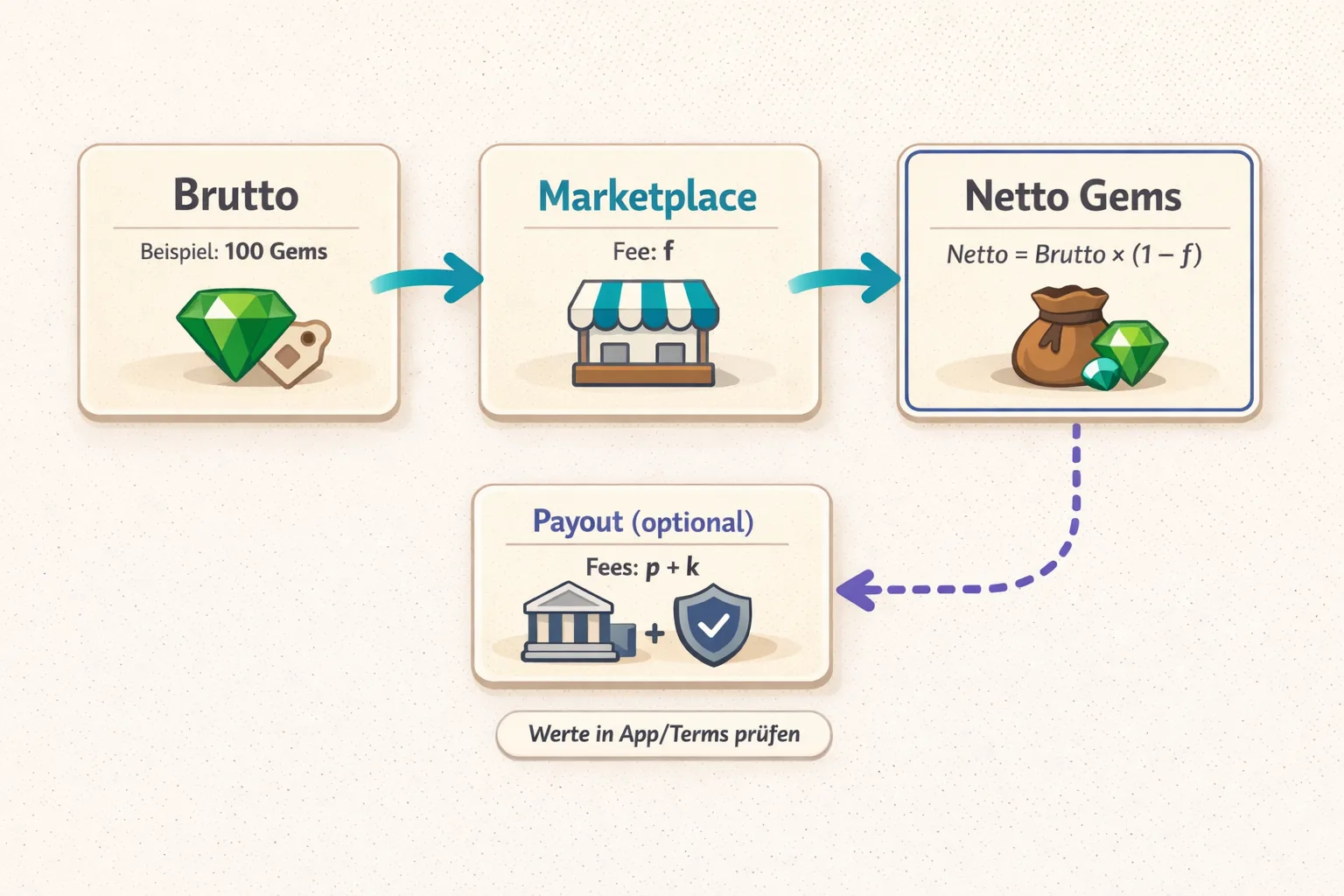
If you’re considering payouts and KYC, also read the VeVe KYC Guide and, depending on your situation, these overviews of payouts and current rules: VeVe Gems, OMI & Payout Guide and VeVe Payouts After November 19, 2025—Are They Still Available?.
New to VeVe? According to the current signup credit guide, you’ll receive a $10 signup credit when you register through our link, at no extra cost to you.
Marketplace Risks: The Real Traps, Explained Clearly Without the Panic
Risks are not limited to scams. A large part is psychological: FOMO, overpaying, and false confidence. Another part is operational: poor documentation, unclear fees, and off-platform deals.
FOMO: When Your Trigger Is “Right Now”
You can rarely identify FOMO from your heart rate alone, but you can spot it in your reasoning. If your main argument is “before it’s gone,” you probably lack confidence in the price. One simple counter-question can help: What would have to happen for me to regret this purchase in 48 hours?
Overpaying: Paying a Premium Without Premium Demand
Overpaying is often a combination of “I really want it” and “I’m telling myself a story.” That isn’t forbidden—but it makes the purchase a collector decision, not a Market trade. It becomes a problem when you rationalize the purchase as “safe.”
False Narratives: “Everyone Says…” Is Not a Source
Especially in Web3 environments, terms such as “burn,” “utility,” “migration,” and “partnership” are quickly used as potential price catalysts. Stay levelheaded: What is official? What is interpretation? What is simply a rumor? For OMI and utility context, review these guides to OMI and StackR without drawing price assumptions from them: StackR Explained (Secure Setup) and Swap OMI for Gems (Guide).
The Liquidity Trap: You Can Sell, but Only “At Any Price”
If aggressive undercutting is the only way to exit, you effectively have an “exit corridor,” not a genuine Market. That’s manageable if you account for it in advance. It’s painful when you discover only during the sale that your “plan” never existed.
Security & Social Engineering: The Marketplace Is Safer Than DMs
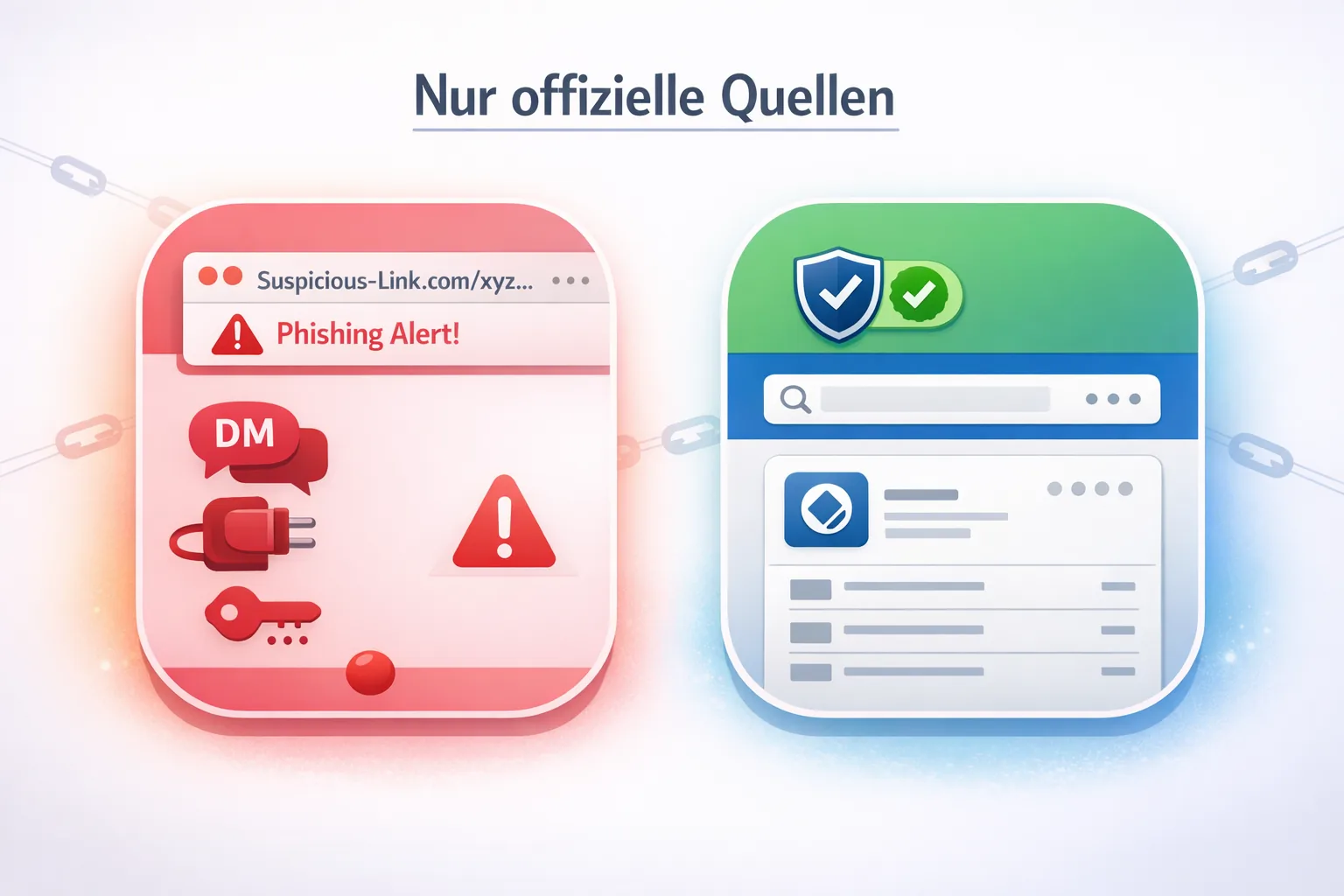
The most common scams don’t begin in the app. They start in messages: “support,” “mod,” “claim,” or “you just need to connect briefly.” As a general rule: Never share seed phrases, connect wallets, or open links from DMs. If you need to verify something involving an explorer or chain, use official sources only and follow a guide instead of relying on instinct: Collect Block Explorer Guide.
Documentation: How to Keep Clear Records of Purchases and Sales
You don’t need an elaborate spreadsheet. You need a repeatable standard. The goal is to reconstruct what you did and why within two minutes.
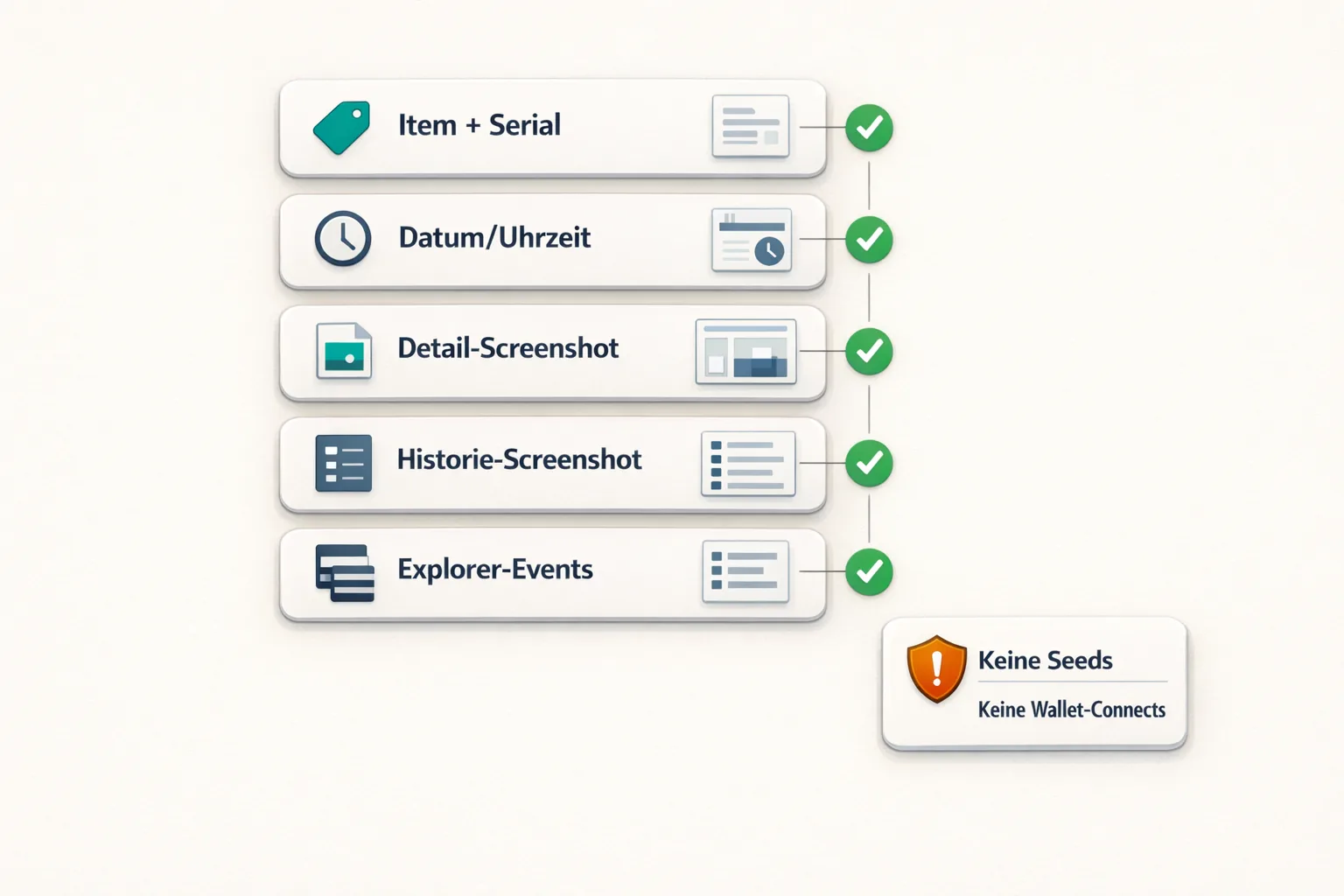
The Audit Snapshot: Minimal but Complete
- Record the item/comic and its variant/edition
- Record the date and time in your time zone
- Screenshot the item details page
- Screenshot the listing view with the floor and next-highest prices visible
- Add a short note: “Why did I buy?” in one sentence
Price Notes: Record Context, Not Just Numbers
Instead of writing “bought at 120,” write “bought at 120 because the floor has been stable for 24 hours, there have been multiple sales, and I plan to hold long term.” Context keeps you from reinterpreting your own decision later.
Exports and Receipts: Save Them Regularly When Available
If the app or your payment methods provide exports or receipts, save them at regular intervals. The specific tool matters less than using it consistently.
Collector Checklist: Review Before Every Purchase or Listing
- Is your goal clear? Collecting, upgrading, or a short-term trade
- Do you understand the floor? Thick or thin, movement, and listing depth
- Have you checked liquidity? Sales vs. listings and a realistic exit
- Have you calculated net proceeds after fees? Use Marketplace net proceeds as your baseline and treat payouts separately
- Have you identified the risk trigger? FOMO, “everyone says,” or a news spike
- Is your documentation complete? Screenshots + one sentence of price context
- Did you follow the security rule? No DMs or unverified links; official sources only
Key Terms Explained
- Floor: The lowest current listing price for an item or comic. It is a starting point, not the truth.
- Listings: Prices at which sellers want to sell. There is no guarantee that anyone will buy.
- Sales: Completed transactions. When available, they provide the most concrete pricing information.
- Spread: The gap between “buy now” and “realistically sell.” The wider it is, the more expensive impatience becomes.
- Liquidity: How quickly and easily you can trade without moving the price significantly.
- Overpay: Paying a premium the Market does not currently support. It can be acceptable for a collector purchase but risky as a trading thesis.
- Narrative: A story that can generate demand but is not necessarily supported by facts.
Common Mistakes to Avoid—even Experienced Collectors Make Them
- Looking only at the floor while ignoring listing depth. A thin floor can produce quick surprises.
- Confusing asks with “value”: Just because many sellers list high does not mean buyers are paying those prices.
- Forgetting fees and then listing “too low” to make a quick exit.
- Treating hype as analysis: “Twitter says” is no substitute for checking spreads and sales yourself.
- Treating illiquid items as liquid: You plan a quick exit but buy an item without sufficient demand depth.
- Skipping documentation: Later, you won’t know whether you made a good decision or simply got lucky.
- Off-platform deals in DMs: The security risk is often greater than any potential discount.
- Overestimating timing: You chase the “perfect entry” instead of building a sound plan.
FAQ: Common Questions About the VeVe Marketplace
How can I quickly tell whether an item is liquid enough?
Don’t look only at the floor. Review the range above it as well: many closely grouped listings suggest greater Market depth. Actual sales are an even stronger signal when visible. If they aren’t available, plan especially conservatively.
Should I buy immediately after a Drop?
It can make sense, but the post-Drop period often involves heightened emotions and rapid price discovery. If you don’t have a clear reason to buy, watching may be the better “action.”
How do I set a fair listing price without constantly undercutting?
Choose a price range that fits the Market and define rules for adjustments—for example, only every X hours or when the floor makes a sustained move. This helps prevent reflexive undercutting.
How do payouts and KYC affect Marketplace decisions?
If you plan to move value “out of the app,” you need to include eligibility, KYC, and applicable rules and Terms in your planning. Keep Marketplace net proceeds and payout considerations separate, and rely on official information plus current guides.
What is the biggest risk of narrative trading?
You may pay for a story that has not been confirmed—or one that is true but does not generate sustained Market demand. Check the source, calculate spread and fees, and define your exit plan.
How should I document trades so I can learn from them later?
Create an audit snapshot—screenshots plus a one-sentence explanation—at the time of the purchase or sale. After the trade, add a brief note: What was right, what was wrong, and what came down to luck?
More on VeVeInsider
- Blog Overview (for current guides and updates)
- VeVe Fees & Costs (the basis for net calculations)
- VeVe Gems Terms as of November 2025—Simply Explained (understand the Terms without guessing)
- Buying and Selling NFTs on VeVe—An Overview (more context, less guesswork)
New to VeVe? According to the current signup credit guide, you’ll receive a $10 signup credit when you register through our affiliate link, at no extra cost to you.
Sign Up for VeVe With a Signup Credit
Note: This is an affiliate link. We may receive a commission at no extra cost to you.