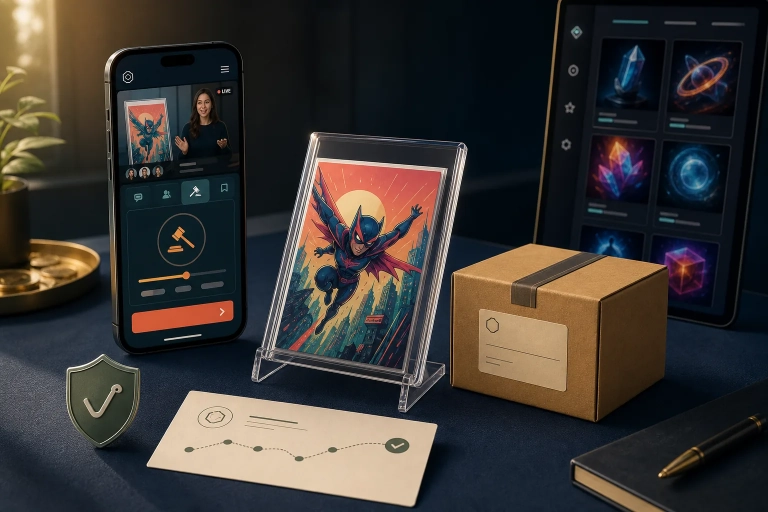
Since the migration to Collect and CollectChain, many collectors have been asking the same question: What exactly is it? Technical terms such as “Layer 2,” “Celestia DA,” “EVM-compatible,” and “Protocol-Level Royalties” sound like something from a Web3 conference, but they do little to explain the everyday impact on VeVe users.
For collectors, the more important question is much more practical: What actually changes for me today? The short answer is that day-to-day use of the app mostly changes far less than the buzzwords suggest. What becomes more visible is primarily the underlying infrastructure, while topics such as true self-custody and external integrations point more toward Phase 2 and the roadmap.
TL;DR
CollectChain is primarily the technical foundation beneath VeVe. For many users, buying, holding, and selling in the app will initially remain similar, but the origin and history of assets may become more transparent.
Celestia DA is more about scaling, data availability, and potentially more efficient processes behind the scenes—not automatically greater wallet freedom.
EVM-compatible means, in simple terms, that the chain speaks a widely used technical language. This can make tools and integrations easier to build, but it does not automatically mean “tradable everywhere immediately.”
The rules at the protocol and licensing levels remain critical. That is where the distinction lies between what is “technically possible” and what is actually permitted for VeVe assets.

CollectChain Is Currently Infrastructure First, Not Automatically a New User Experience
If you use VeVe as a collector, the best way to understand CollectChain is as the underlying foundation: the technical layer where ownership, transfers, history, and future integrations can be organized more effectively.
That also means a new chain does not automatically equal completely new freedom within the app. Just because something becomes more visible on-chain or more technically compatible does not mean licensing rules, distribution channels, and Market approvals immediately become equally open.
If you want to better understand the migration’s practical impact, see our migration FAQ and Phase 1 checklist. For many users, the most important takeaway has been—and remains: Not every technical change requires you to take immediate action.
Quick Start: How Collectors Should Think About CollectChain
Before getting lost in the details, it helps to follow a simple sequence. This lets you clearly separate the technology, your day-to-day app experience, and the roadmap.
- Step 1: Separate the VeVe app from the chain in your mind. The app is your user experience; the chain is the infrastructure beneath it.
- Step 2: First ask: What can I actually see today? If your experience of buying, holding, and using the Market remains similar, the change is often happening behind the scenes rather than in the interface.
- Step 3: Do not confuse explorer transparency with self-custody. Better verifiability does not mean you can already move an asset freely into any wallet.
- Step 4: Read “EVM-compatible” as a promise of compatibility for technology and tools, not a guarantee of open marketplaces.
- Step 5: Pay attention to the rules. Licensing, allowlists, royalties, and potential restrictions often matter more than the technology alone.
- Step 6: Watch for official Phase 2 updates. With self-custody, transfers, and partner integrations in particular, the critical details usually lie not in the buzzword but in how the feature is ultimately implemented.

What “Layer 2 With Celestia DA” Means in Plain English
In simple terms, a Layer 2 is an additional execution layer designed to make processes more efficient without forcing every small action through the same resource-intensive base layer. That may sound abstract, but the practical idea is straightforward: more structure, better scalability, and potentially less friction behind the scenes.
Data Availability broadly means that data associated with activity remains reliably available and verifiable. Celestia does not become a magical freedom machine for collectors; instead, it serves as infrastructure for reliable data availability.
Put even more simply: If you own a collectible, the question is not only that a particular state exists, but also whether the associated data is available in an accessible and verifiable form. For you as a user, this is more about transparency, scalability, and potential efficiency—not automatically “I can now move everything anywhere.”
That is why Celestia DA is more relevant to collectors through areas such as robust traceability, better technical organization, and potentially more efficient processes over time. It is far less directly connected to the frequently requested goal of immediate wallet freedom.
EVM-Compatible: Important in Practice, but Not a Free Pass
At its core, EVM-compatible means that CollectChain is aligned with a technical environment understood by many developers, wallets, explorers, and tools across the Ethereum-adjacent ecosystem. That matters because it can simplify integrations and means every tool does not have to be rebuilt from scratch.
For collectors, however, the most important point is this: EVM-compatible does not automatically mean instant OpenSea access. Technical interoperability is only one prerequisite. Whether an asset is actually supported, visible, transferable, or tradable externally also depends on product decisions, approvals, licensing rules, and specific integrations.
Put another way: A road may lead to many destinations. That does not mean every gate is open, every vehicle is approved, or every destination can be reached immediately.
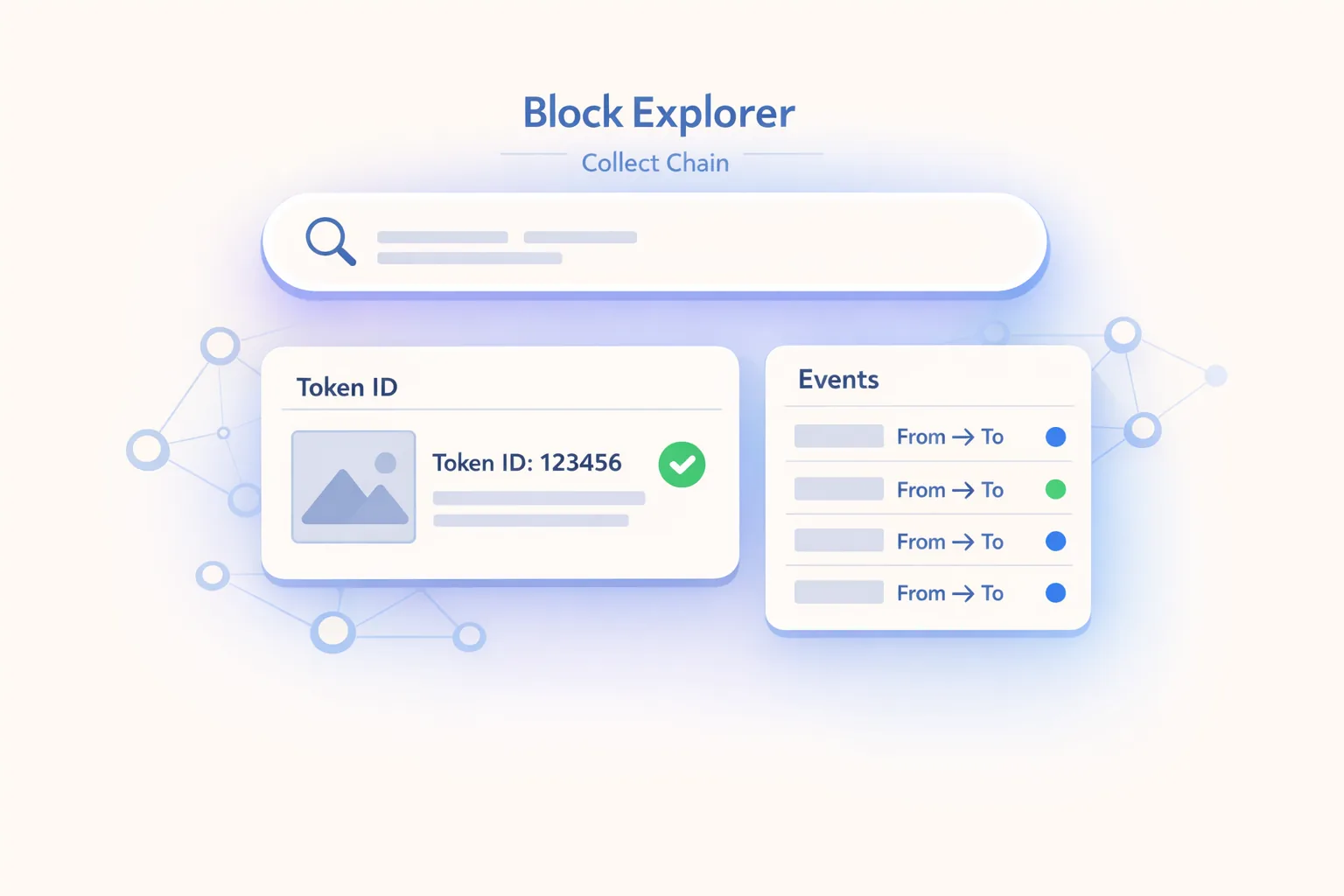
If you want to understand exactly what greater transparency looks like in practice, our Collect Block Explorer guide is the best next step. It turns the buzzword into something genuinely useful: ownership, history, and movements become easier to verify.
Why the Explorer Matters More Than the “Open” or “Closed” Hype
For many collectors, the migration’s biggest immediate benefit is not hypothetical external trading but greater provenance. In other words, it becomes easier to trace where an asset came from, what happened to it, and how its ownership or status changed over time.
That is not flashy, but it is valuable. In a collector ecosystem, confidence in an asset’s history, origin, and status often matters more than the loudest promise of the next major Web3 freedom.
To approach CollectChain discussions more objectively, see our article Collect Chain: Confirmed vs. Speculation. The most important skill for collectors here is not enthusiasm for the technology, but the ability to clearly distinguish between what has been confirmed, what has been announced, and what people are merely reading into it.
Protocol Rules and Marketplace Rules Are Not the Same
A common misconception is that once something exists on a modern, EVM-compatible chain, only the wallet matters. For licensed collector assets, that view is often too simplistic.
Protocol rules are rules that may be embedded deeper within the infrastructure or asset logic. Depending on the model, these could include licensing requirements, allowlists, approved trading venues, royalty mechanisms, or transfer restrictions.
Marketplace rules, by contrast, are the rules of a specific interface or platform. These include how listings appear, which filters you see, how the purchasing process works, and which UX rules the app applies.
The distinction matters: When Collect works with ideas such as Your IP, Your Rules, this is the logic behind them. Not every IP owner wants complete openness. Some rights holders may want clear guardrails, defined trading venues, or specific conditions under which assets can be moved.
Protocol-Level Royalties should be understood in the same way: as an attempt to implement compensation rules deeper within the system rather than only at the app level. For collectors, this does not automatically mean higher costs or less freedom. It initially means that the infrastructure can support rules that may previously have appeared more closely tied to a single marketplace.
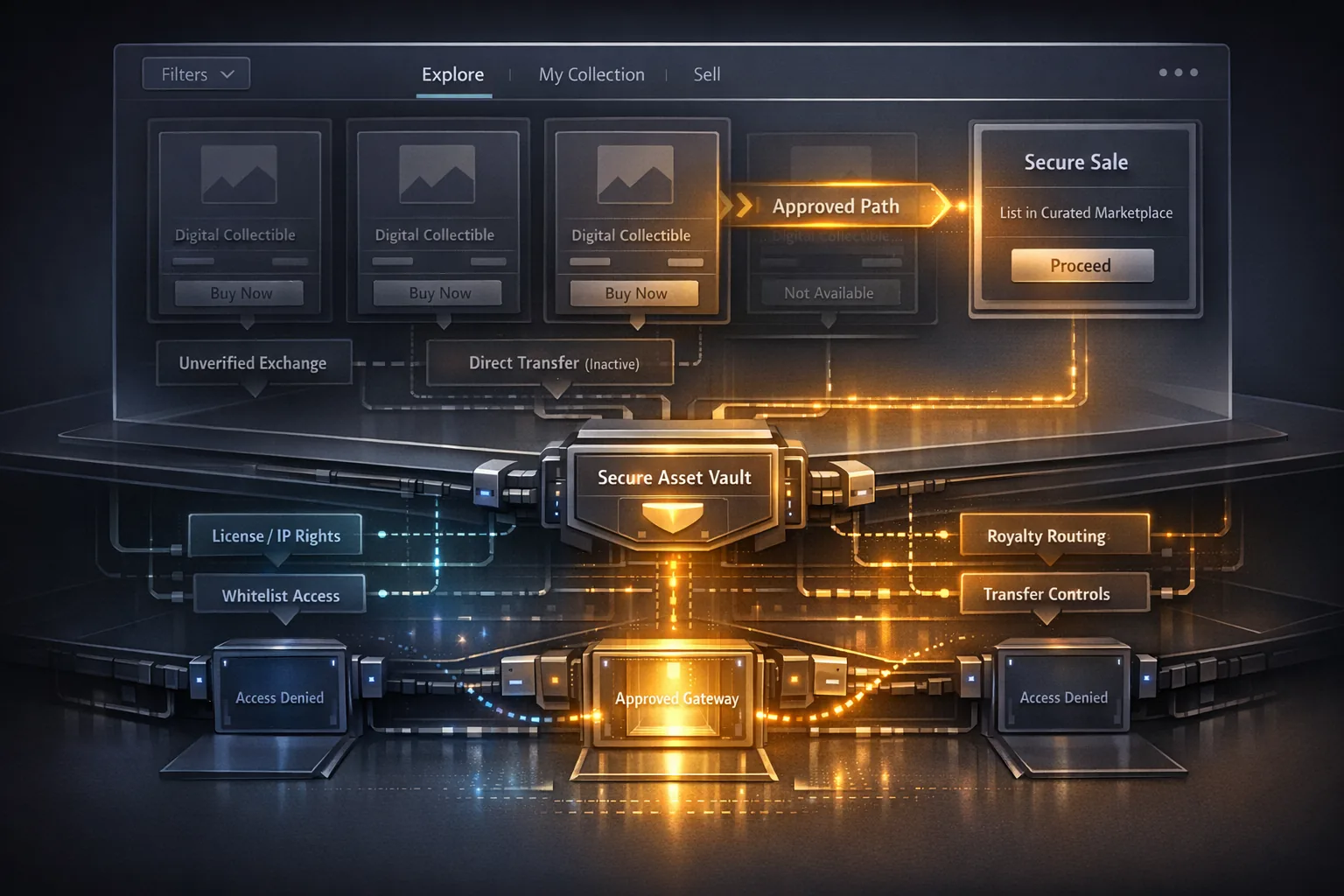
The phrase One place at a time also fits this way of thinking. It does not suggest technical weakness, but rather controlled distribution or targeted trading logic. That is important for collectors because it shows that compatibility does not mean anything goes.
The announced encrypted CDN/DRM layer would be a separate topic again. It relates more to secure delivery, access to content, and protective measures around media or specific asset experiences—not automatically to the question of ownership itself.
What Does Not Change Today, What Becomes More Transparent, and What Is More Likely Phase 2
Most of the confusion comes from treating all of these topics as one and the same. This three-part breakdown helps separate them.
What Often Does Not Change Noticeably Today
Your day-to-day experience in the VeVe app remains primarily controlled by the app for now. You continue collecting through a curated interface, using the existing Market environment, and following official approvals rather than relying on technical possibilities alone.
What Can Become More Transparent Now
Ownership history, asset records, and certain activities may become easier to trace. That is no small benefit—it is a genuine upgrade for collectors who want to verify provenance and status rather than simply trust them.
What Points More Toward Phase 2 or the Roadmap
Self-custody, external integrations, partner connections, and the exact extent of wallet freedom belong more to future detailed announcements. In these areas, patience is more useful than speculation.
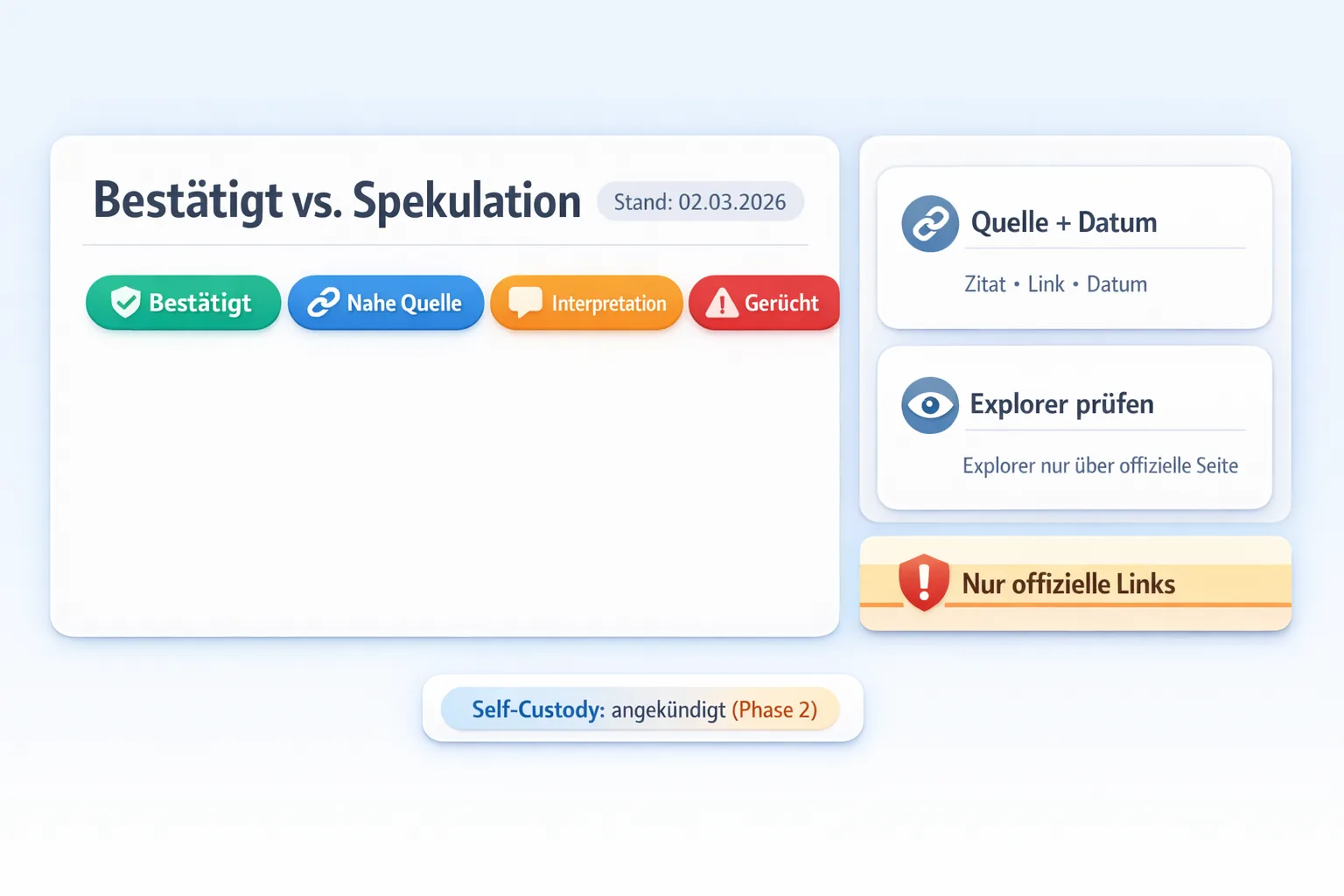
If you are particularly interested in how to realistically assess self-custody in the VeVe context, read our Phase 2 guide to self-custody next. In addition, this custody vs. self-custody comparison explains why greater control almost always comes with greater personal responsibility.
New to VeVe? If you sign up through our link at no extra cost to you, the current welcome credit guide says you will receive $10 in free welcome credit.
Collector Checklist
If you want to track CollectChain developments as a collector, focus on these points:
- Check the explorer: Learn how to verify ownership and history through official channels.
- Separate the app from the chain: Not every on-chain capability immediately becomes an in-app feature.
- Wait for official Phase 2 details: With self-custody in particular, specific processes matter more than buzzwords.
- Keep licensing logic in mind: For VeVe IPs, rights management is often more important than the technology alone.
- Use official links only: This is especially important for migration, explorer, wallet, and future integration topics.
- Do not confuse the roadmap with a live feature: Announced does not mean live, enabled, or available to everyone.
Common Mistakes to Avoid
Web3 terminology can quickly create false expectations. These are the mistakes we see most often:
- EVM means instant access to every marketplace: This is the most common misconception. Compatibility is only the technical foundation.
- Explorer means self-custody: Greater visibility does not automatically mean greater freedom to control or move an asset.
- Layer 2 means I immediately save on fees: Many of the effects initially exist within the system design rather than your visible day-to-day experience.
- On-chain means no more platform rules: Rules remain highly relevant, especially for licensed assets.
- Confusing buzzwords with utility: Not every impressive term currently provides a collector benefit.
- Treating the roadmap as a promise: Important details often change between the concept, announcement, and final implementation.
- Clicking unofficial links: This creates an unnecessary security risk when dealing with migrations, explorers, or wallets.
Key Terms Explained
- CollectChain: The underlying technical chain where ownership, history, and future integrations can be organized.
- Layer 2: An additional execution layer designed to make processes more efficient and scalable.
- Data Availability: The reliable availability and verifiability of associated transaction or state data.
- Celestia DA: An infrastructure component for data availability, making it more of a backend topic than a direct collector feature.
- EVM-compatible: Technically interoperable with many Ethereum-adjacent tools and developer standards.
- Protocol-Level Royalties: Royalty logic that can be supported deeper within the system rather than by only one marketplace.
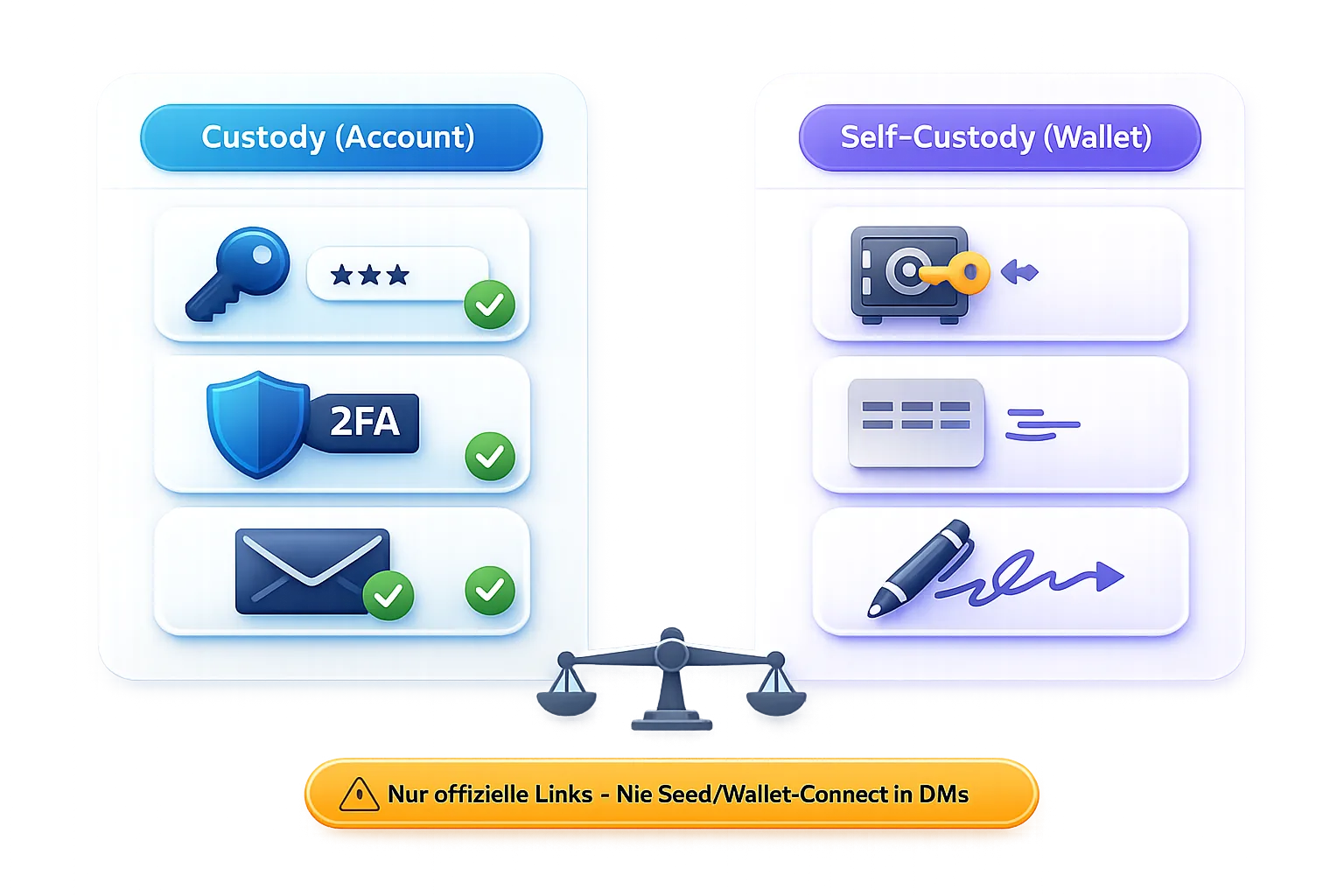
- Custody: The platform holds and manages access while providing a convenient user experience.
- Self-custody: You control access yourself and therefore take on greater security responsibility.
Three Things Collectors Should Watch
Explorer and Provenance
The better you can read an asset’s history, the more confidently you can collect. That is why it is worth getting familiar with the Collect Block Explorer today.
Official Phase 2 Details
The most important questions about self-custody, control, and risk depend on the specific implementation. Keep an eye on the Phase 2 self-custody guide.
External Integrations and Partners
Whether and how VeVe assets appear outside the familiar app environment will ultimately depend on official integrations and partner pathways. Until then, confirmed information matters more than wishful thinking.
FAQ
Will CollectChain Have an Immediate, Noticeable Impact on Me as a Regular VeVe User?
Often, the impact will be more indirect. Your visible day-to-day experience in the app may initially remain similar while transparency, structure, and future interoperability improve behind the scenes.
Does EVM Compatibility Mean VeVe Assets Are Automatically Tradable Everywhere?
No. EVM compatibility makes technical interoperability easier, but it does not replace approvals, licensing logic, or product decisions.
Does Celestia DA Have Anything to Do With Self-Custody?
Not fundamentally. Celestia DA is primarily an infrastructure topic related to data availability, while self-custody concerns who actually holds access to and control over assets.
What Does the Explorer Actually Do for Me?
Above all, it provides greater traceability. You can verify ownership, movements, and history more effectively instead of relying only on the frontend.
Does “Your IP, Your Rules” Mean Everything Will Remain Strictly Closed?
Not necessarily. It primarily means that rights holders and system rules can play an active role. This may limit openness, but it can also provide clear and consistent licensing logic.
Is “One Place at a Time” Bad for Collectors?
Not automatically. It could also mean that availability, trading, or distribution is managed intentionally instead of happening chaotically everywhere at once.
Should I Already Be Thinking About Moving From Custody to Self-Custody?
Only if the official details align with your own level of security readiness. Greater control is appealing, but it only makes sense if you can also manage recovery, phishing protection, and personal responsibility.
Final Thoughts
CollectChain is most relevant to VeVe collectors when the buzzwords are reduced to their practical utility. Today, it is primarily about infrastructure, traceability, and future interoperability—not an entirely open market appearing overnight.
A well-informed collector should therefore pay less attention to the loudest buzzword and more attention to three things: what is already live, what has simply become more transparent, and what remains on the roadmap for now. That is where substance separates itself from speculation.
New to VeVe? If you sign up using our affiliate link at no extra cost to you, the current welcome credit guide says you will receive $10 in free welcome credit.
Sign Up for VeVe With Welcome Credit
Disclosure: Affiliate link (we may receive a commission at no extra cost to you.)