On VeVe, a purchase can be completely valid and still not count toward a specific event. This is where costly misunderstandings happen: A collectible is in your account, you paid for it, and it looks identical to other editions—but the event rules may specifically require a Store purchase, a particular time window, or an uninterrupted holding period.
This guide explains the difference between store-only and Marketplace-eligible in plain English. The goal is not to evaluate individual events after the fact, but to help you ask the right question before a purchase, sale, craft, airdrop, phygital redemption, or reward campaign: Does this exact acquisition qualify under this exact rule?
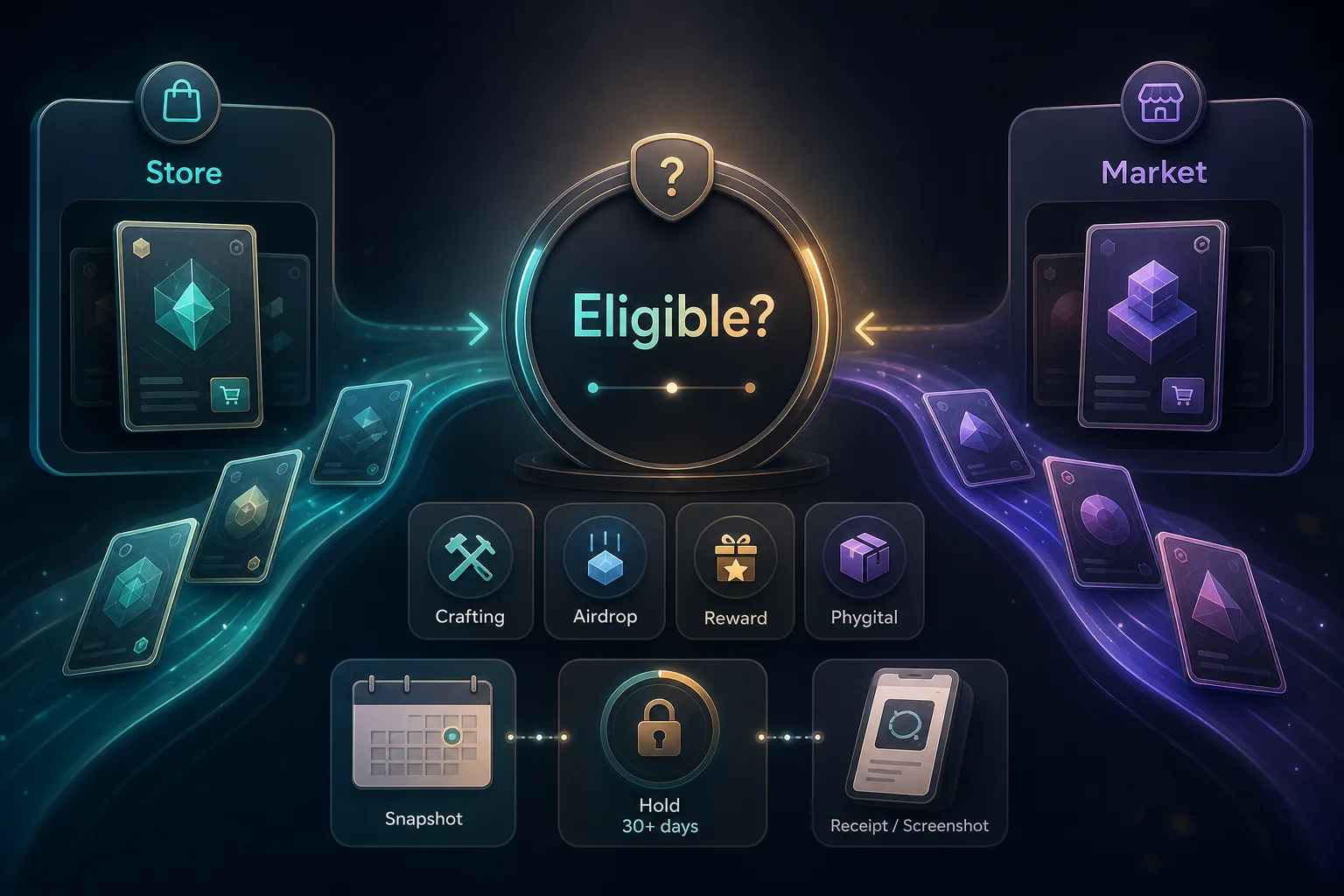
TL;DR: On VeVe, ownership does not automatically qualify equally for every event. Some campaigns count only purchases from the Store, while others allow both Store and Marketplace purchases. Holding periods, snapshot times, first-come-first-served rules, KYC, region, and separate reward terms may also determine eligibility. Always check the official event rules first, save your proof, and do not sell until the snapshot or holding period is truly complete.
Key Terms: Store, Marketplace, and Eligibility
The Store is VeVe’s primary market. This is where you buy a collectible, comic, or artwork directly through a drop, Store availability, or an official sales window.
The Marketplace is the secondary market. This is where you buy from other users or list your own items. According to VeVe, the Marketplace is where collectors can buy and sell after drops once items are already in circulation.
Eligibility means that a purchase or ownership position meets the requirements of a specific campaign. Importantly, eligibility is not a universal status attached to your collectible. It always depends on the individual event.
- Store-only: Only purchases made directly through the VeVe Store count.
- Marketplace-eligible: Purchases through the VeVe Marketplace may also count.
- Holding Period: You must hold the item for a specified period.
- Snapshot: VeVe checks what is in your account at a specific time or during a defined window.
- First-come-first-served: Those who complete the qualifying action first have priority while editions or spots remain available.
In practice, an inexpensive Marketplace purchase may make sense, but it is not automatically a ticket to crafting, an airdrop, or a physical reward. Conversely, an expensive Store purchase may not qualify for a specific campaign if you sell it too early or bought it outside the required window.
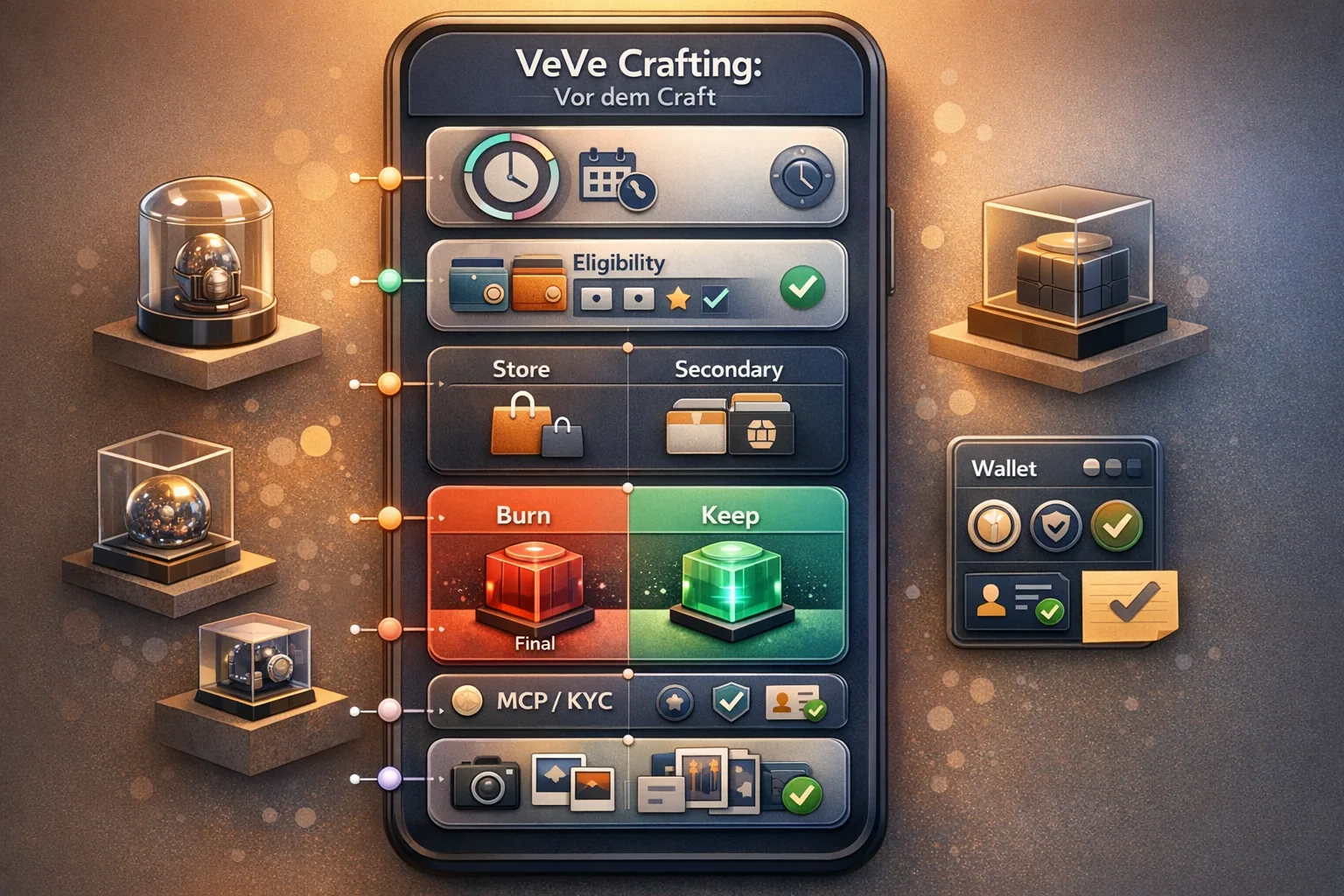
Decision Tree: Does My Purchase Count?
Before you buy, sell, or craft, work through these steps in order. The process is intentionally simple because most mistakes happen during fast-moving drop or reward periods.
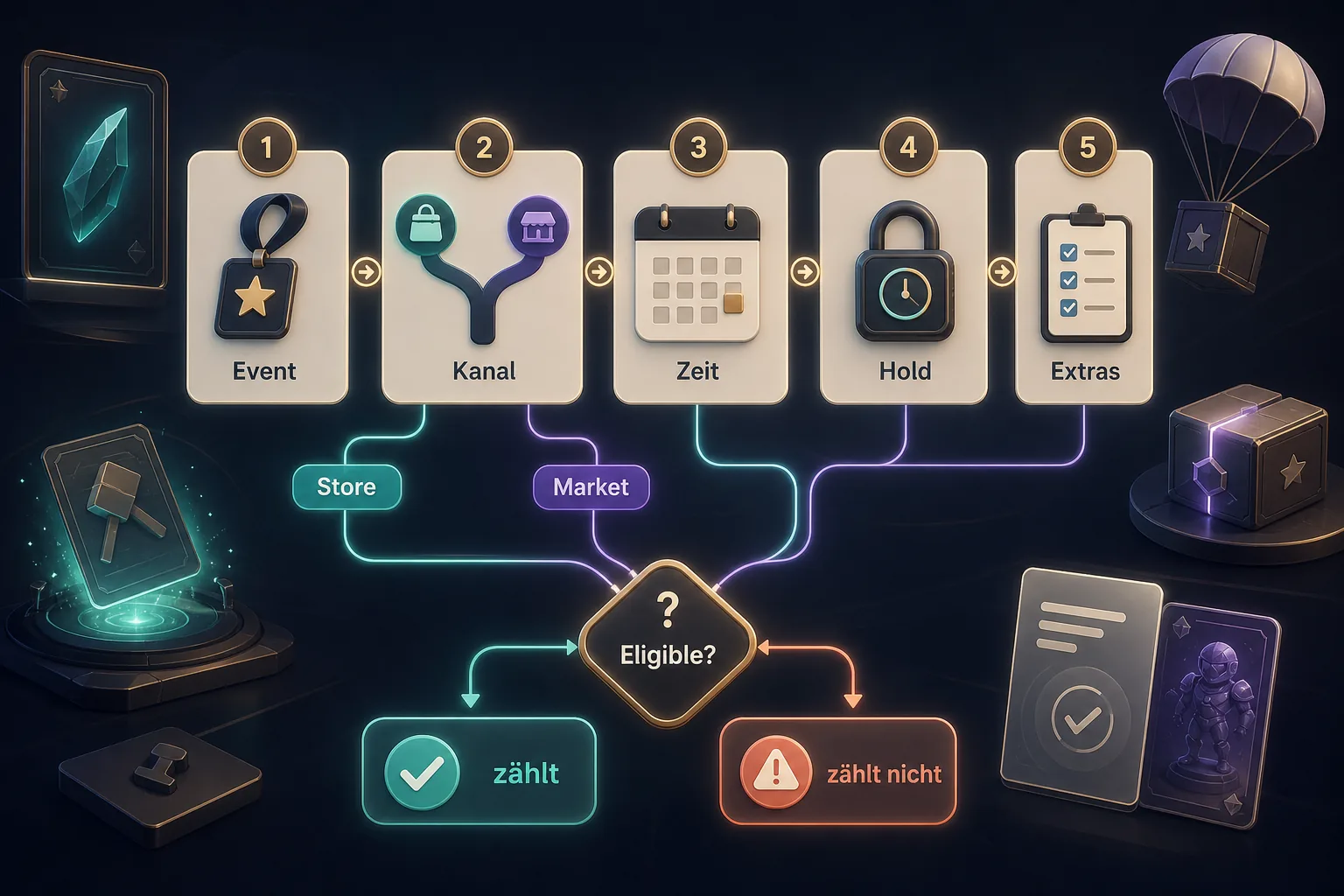
1. Which Mechanic Is Involved?
First, determine whether the event involves crafting, an airdrop, phygital rewards, sweepstakes, MCP, a challenge, a leaderboard, or a standard Marketplace purchase. Each mechanic may have its own rules.
2. Where Must the Item Come From?
Look for phrases in the event rules such as “Store purchases only,” “from the VeVe Store,” “Marketplace transactions do not qualify,” or “Store and market purchases are eligible.” This one line often determines everything.
3. When Must You Buy or Hold It?
Many rules use exact start and end times. Pay close attention to PT, your local time zone, and the end of the window. A purchase made shortly before or after the specified period may fall outside the eligibility window.
4. Can You Sell Before the Event Is Complete?
If a holding period is specified, do not assume that briefly owning the item is enough. A sale, transfer, or burn before the relevant window ends may invalidate your eligibility.
5. Are There Additional Requirements?
These may include Gems, MCP points, VeVe Level, MCP Rank, KYC, region, communication with Support, shipping details, or separate form submissions. Especially with physical rewards, the digital purchase is only one part of the process.
Rule Types With Real VeVe Examples
The following examples show why you should never assume that the rules for one event apply to every other event. They come from official VeVe information and demonstrate different approaches.
Store-Only: tOBEY Unbreakable Sweepstakes
According to VeVe, Store purchases made during the campaign window counted toward the tOBEY Unbreakable 1:1 Prototype Sweepstakes. Marketplace transactions explicitly did not qualify. The campaign also had a fixed time window and separate bonus entry methods that did not require a purchase.
The key takeaway for collectors: If you buy only through the Marketplace during this type of campaign, you may own the digital collectible without receiving a purchase entry. Ownership and eligibility to participate are two different things here.
Store-Only Plus a Holding Period: Phantom and tOBEY Phygital Rules
For certain campaigns, VeVe’s Phygital Terms specified Store purchases made within defined periods. The terms also required collectors not to sell or transfer the collectibles during the applicable holding period.
This is a classic trap: A user makes a qualifying Store purchase but sells before the holding period ends because the market price rises or they need Gems. Depending on the rules, that early sale may cost them eligibility for the physical reward.
Crafting: ECOMI Coin as a Different Rule Model
For ECOMI Coin Crafting, VeVe lists ownership of a specific ECOMI Red and Silver Logo Collectible and 65 Gems as requirements. The crafting event was also described as first-come-first-served and included matters related to physical shipping.
The risk here is not limited to the purchase channel. You need the correct input item, enough Gems, timely crafting, awareness of possible limits, the Support process for special cases, and shipping information. Asking only “Do I have the item?” is not enough.
For more on the specific coin mechanic, read our in-depth guide to ECOMI Gold and Silver Coin Crafting on VeVe.
Marketplace-Eligible: Not Excluded Does Not Automatically Mean Guaranteed
For some crafting events, VeVe has explicitly stated that both Store and Market purchases are eligible. This is the positive counterpart to store-only. Even so, you still need to consider burn rules, MCP points, Level, Rank, and availability.
Important: Marketplace-eligible does not mean “risk-free.” If a craft is first-come-first-served, a later Marketplace purchase may formally qualify but still come too late if all craftable editions have already been claimed.
Why Eligibility Varies by Mechanic
VeVe events have different goals. A drop distributes new editions. A sweepstakes may reward direct Store purchases made during a promotional window. Crafting may change supply, burn items, or unlock new variants. Phygital campaigns connect digital proof with a physical shipping process.
It makes sense, then, that the rules are not uniform. An airdrop may check ownership at a snapshot. A craft may burn specific inputs. A physical reward may require you to hold an item throughout an entire window. Depending on the event, a Marketplace purchase may be accepted, irrelevant, or explicitly excluded.
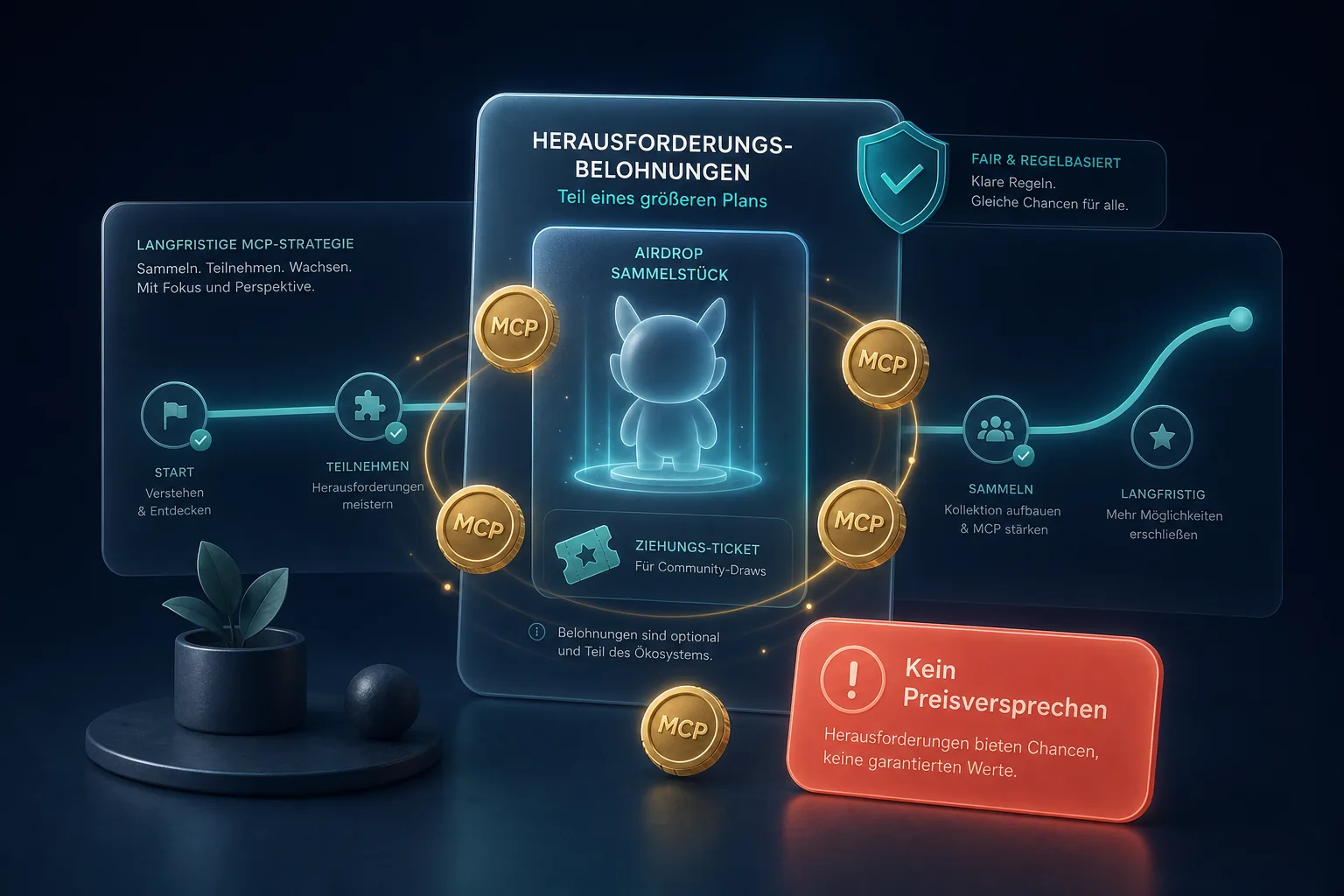
For an overview of crafting fundamentals, read our guide to VeVe crafting and burn mechanics. For buying and selling on the secondary market, see the VeVe Marketplace Guide.
New to VeVe? Our VeVe sign-up and starter credit guide explains how to get started step by step. With a qualifying sign-up, you can receive a free $10 starter credit. This is not a promise of profit—just a helpful way to get started.
Pre-Purchase and Pre-Sale Mistake Checklist
Use this list before spending Gems or listing an event item. It is especially important when collectors on Discord, X, or elsewhere are heavily speculating about a possible reward.
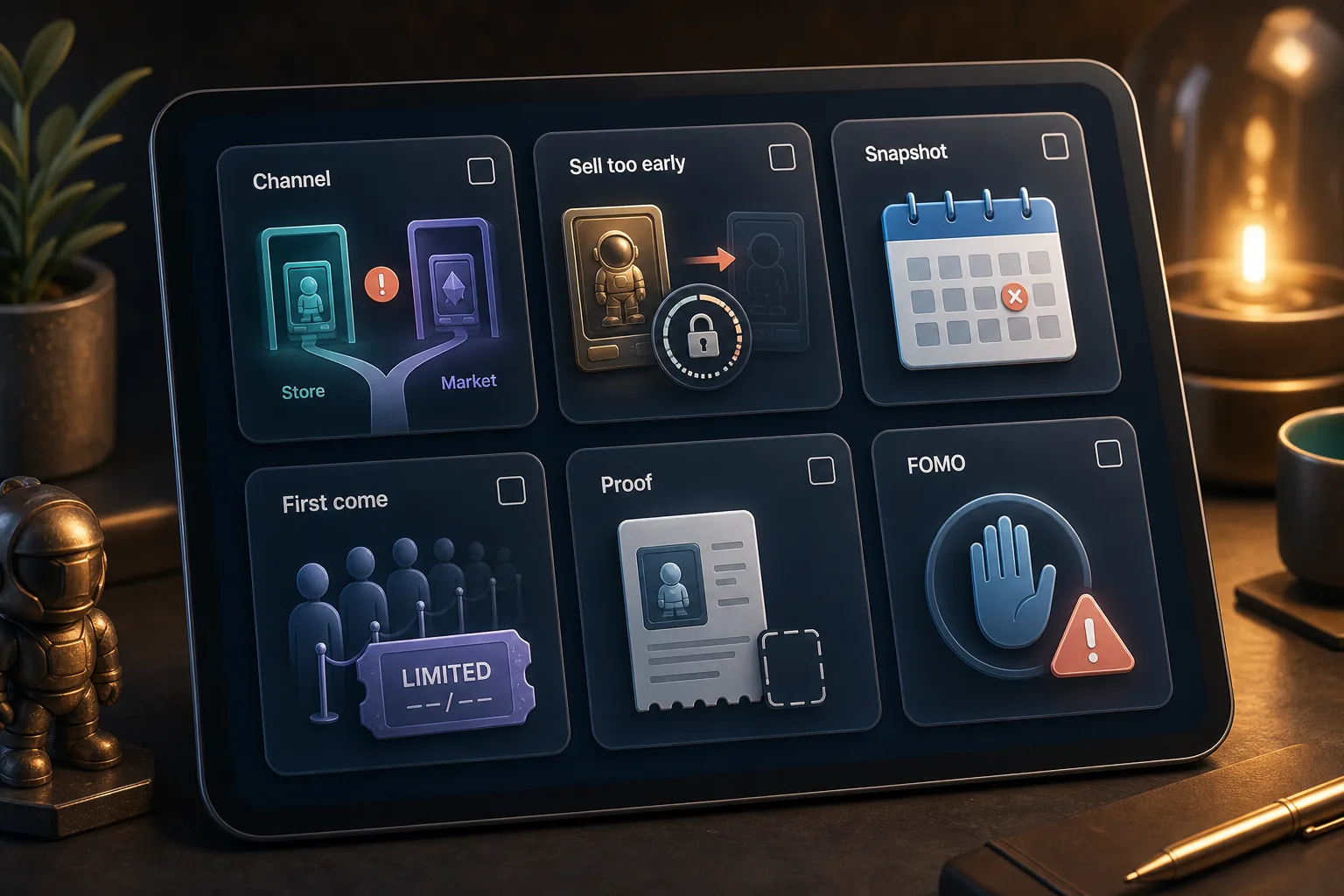
- Check the purchase channel: Do the rules say store-only, or are Marketplace purchases explicitly allowed?
- Check the time window: Did your purchase actually occur within the specified window?
- Check the time zone: Many VeVe announcements use PT. Do not rely on rough mental math when the deadline is close.
- Check the holding period: Do not sell until you know the holding period or snapshot is complete.
- Check the input items: Crafting often requires a specific variant, not just any item from the series.
- Understand the burn: If an item is burned during crafting, it will no longer remain normally available in your collection.
- Account for first-come-first-served: Eligibility alone does not guarantee a successful craft.
- Read the reward rules separately: Phygital rewards, sweepstakes, airdrops, and MCP may have their own additional rules.
- Check KYC and region: Depending on the feature, account or regional factors may apply.
- Do not accept rules sent by DM: Official rules do not come through private messages from unknown accounts.
To better understand drop mechanics in general, also read our guide to VeVe Drop Strategies 2026. For points, levels, and reward mechanics, start with MCP Basics 2026.
Screenshot and Proof Checklist
Documentation does not guarantee eligibility, but it can help you accurately reconstruct what happened. This is especially useful for Support requests, phygital redemptions, payment issues, or disputed time windows.
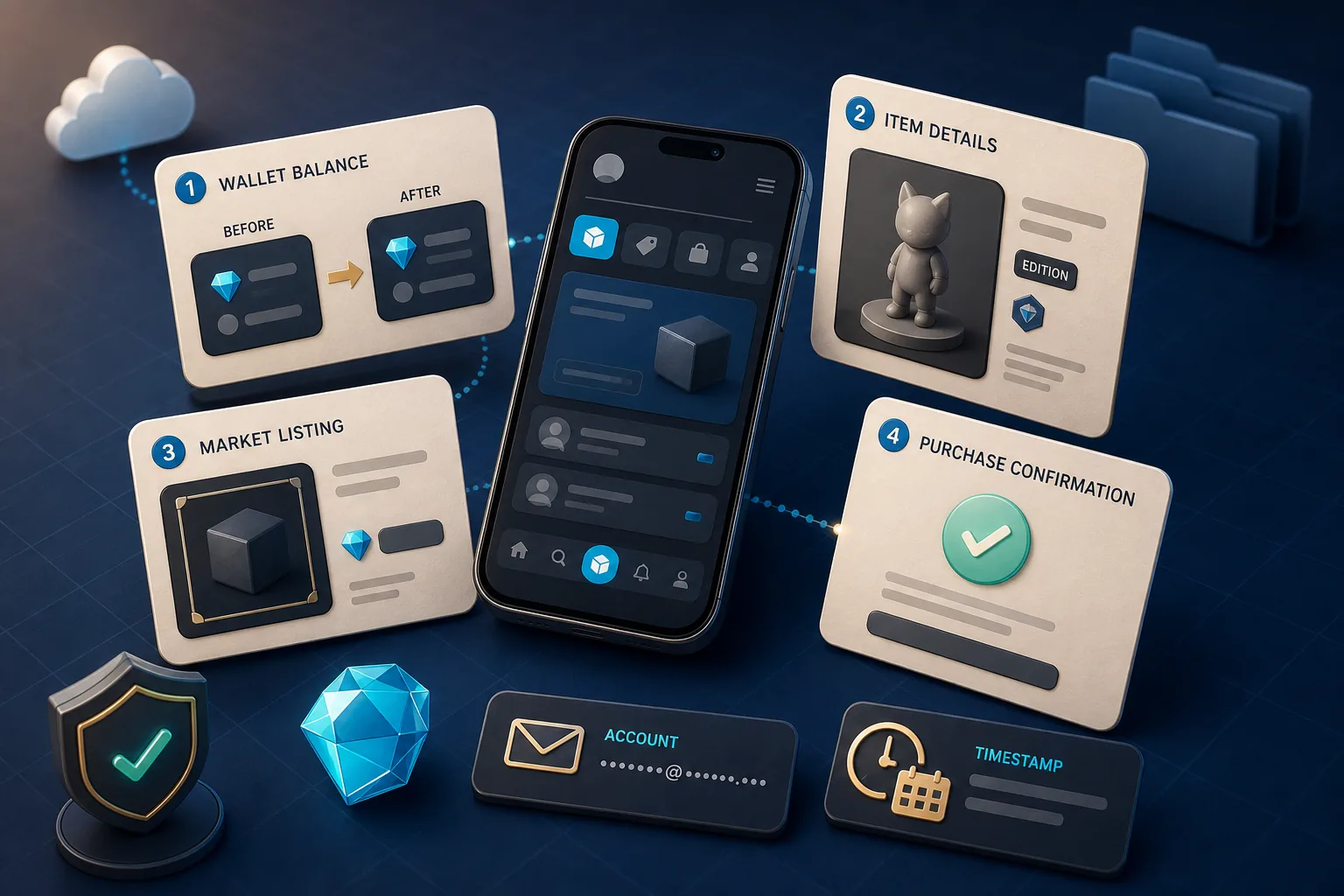
- A screenshot of the official event rules with the date or other visible context.
- The purchase confirmation or transaction view in VeVe.
- The item details page showing the edition, rarity, series, and ownership status.
- Your Gem balance before and after the relevant purchase or craft.
- The Marketplace listing if the purchase was made on the secondary market.
- The Store view if store-only rules or a sales window are relevant.
- A calendar note for the start, end, snapshot, and holding period.
- The Support ticket number if you had to contact Support.
For a more detailed process, see our article about VeVe receipts and proof of purchase. To understand on-chain history and explorer records, read the Collect Block Explorer Guide.
Mini Framework: How to Read Event Rules in 90 Seconds
You do not need to dissect every document like a lawyer. For collector decisions, a consistent reading order is often enough before you take a deeper look.
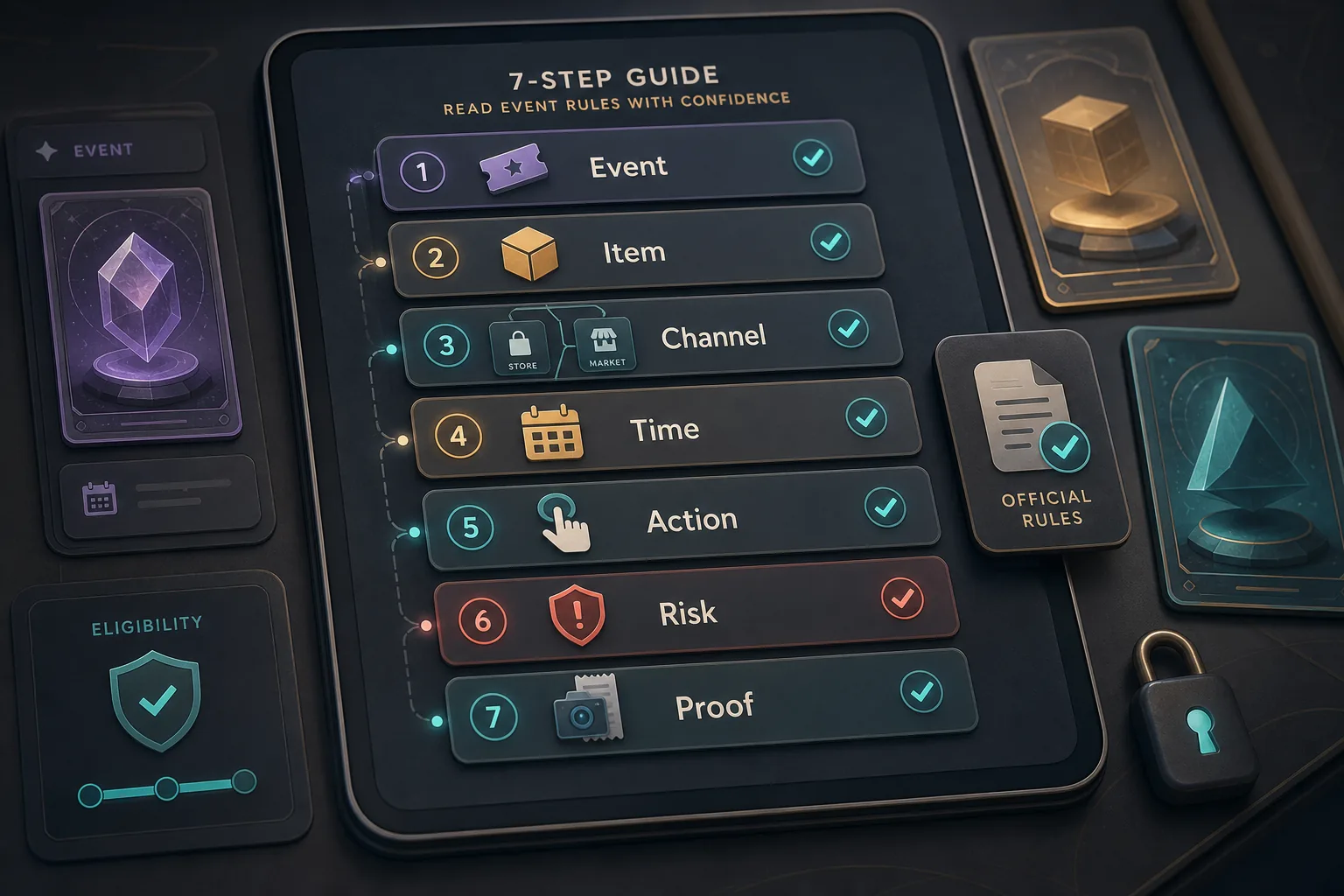
- Event type: Drop, craft, airdrop, challenge, sweepstakes, phygital, or MCP?
- Eligible item: Which series, variant, or edition is required?
- Channel: Store-only, or Store and Marketplace?
- Time: Purchase period, crafting period, snapshot, or holding window?
- Action: Do you need to hold, buy, craft, complete a form, or confirm your information?
- Disqualifying action: What invalidates eligibility—a sale, transfer, burn, missed claim, or missing shipping details?
- Proof: What should you save before and after the action?
For challenges, leaderboards, and rewards, the mechanics are often even more event-specific. Our guide to VeVe Challenges, Leaderboards, and Rewards is a useful companion.
Common Misconceptions
“I own the item, so I automatically qualify.”
No. Ownership is only one possible requirement. The purchase channel, timing, and holding period may be just as important.
“The Marketplace is always worse than the Store.”
That is not universally true either. The Marketplace may make sense for regular collecting, completing a set, or certain crafting rules. It is unsuitable for the specific eligibility requirement only when an event is store-only.
“If I bought before the snapshot, that is enough.”
Not always. Some rules require more than ownership at the snapshot—they may also require uninterrupted ownership throughout a window. Others require a Store purchase during a promotional period.
“A reward automatically makes the purchase worthwhile.”
Rewards are a bonus, not a promise that a purchase will pay off. First decide whether you would collect the collectible itself, then treat any potential extras as an addition.
FAQ
Does a VeVe Marketplace Purchase Count Toward Airdrops?
It depends on the specific airdrop. The key is whether the rules specify ownership, purchase channel, a snapshot, or a particular acquisition window. Without clear confirmation that Marketplace purchases are allowed, do not assume that a secondary market purchase is enough.
What Does Store-Only Mean in Practice?
Store-only means that only purchases made directly through the VeVe Store count. Marketplace purchases may still be relevant to your collection, but they will not qualify for that specific campaign.
When Can I Sell After an Event?
Only after the relevant window has truly ended and no holding period, redemption, claim phase, or shipping confirmation remains open. If you are unsure, it may be better to wait or review the official rules again.
Does Crafting Always Involve Burning?
No. Some crafting mechanics burn an input item, while others do not. Always read the burn requirement separately from the eligibility requirement.
Should I Quickly Buy on the Marketplace Because of a Possible Reward?
Only if the official rules genuinely allow Marketplace purchases and you understand the risk. Do not buy solely because of rumors, unsourced screenshots, or social media pressure.
Bottom Line: Check the Rule Before You Buy
Store-only vs. Marketplace-eligible is not a minor detail—it is often central to a VeVe campaign. Ignoring the distinction can tie up your Gems, lead you to sell an item too early, or cause you to miss a physical reward.
The best collector routine is simple: Identify the event type, read the purchase-channel requirement, check the time window, follow the holding period, and save your proof. That way, you make decisions based on control rather than FOMO.
If you are setting up VeVe for the first time, use only official channels and review the rules in the app before making your first purchase. You can sign up through this affiliate link: Sign up for VeVe with a $10 starter credit. VeVeInsider may receive a commission; there is no additional cost to you, and you receive a free $10 starter credit.
Sources