At first glance, the Wishlist sounds simple: You mark collectibles, comics, or artworks that interest you. Used properly, however, it is much more than a digital reminder—it can help you prepare for Drops more calmly, organize Market purchases, and build your collection more intentionally.
According to VeVe, the Wishlist was highlighted as a product improvement in the official April 2, 2026 update. For collectors, however, what matters is not just that the feature exists, but how you use it without turning it into a FOMO machine.
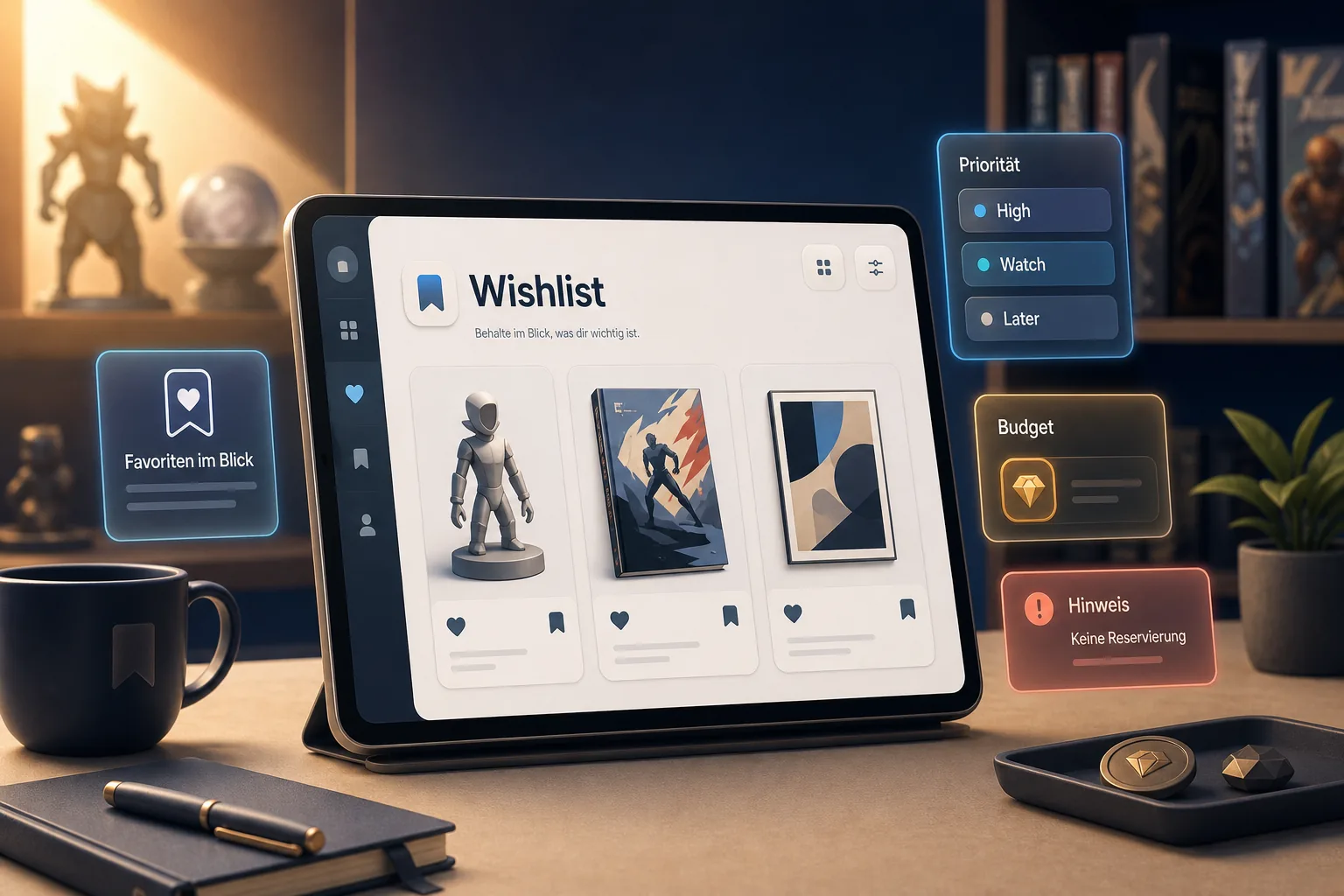
TL;DR: The VeVe Wishlist is a planning and organization tool—not a reservation, price alert, or purchase guarantee. Use it for specific collecting goals, budget limits, Drop preparation, missing set pieces, and Market monitoring. The clearer your priorities are, the less likely you are to chase every Drop or floor move.
What Is the VeVe Wishlist?
The Wishlist is a feature that lets you save interesting items and organize them into lists. These can include collectibles, comics, or artworks, depending on which sections and views are available in your version of the app.
The most important point: A Wishlist is not a purchase agreement. Adding an item does not set it aside for you, buy it automatically, or lock in its current price. It is a personal planning tool.
This is especially useful for beginners. Instead of trying to remember individual favorites across the Store, Drop announcements, Collection View, and the Market, you can gather potential targets in one place and evaluate them more systematically later.
Where Can You Find the Wishlist, and How Do You Add Items?
The exact steps may vary slightly depending on your app version, device, and the section you are browsing. In general, open the detail view for a collectible, comic, or artwork and look for a favorite, bookmark, or Wishlist option. In many apps, this is represented by a heart, star, or list icon.
Here is a practical approach:
- Open an item that interests you.
- Review the detail page: name, series, rarity, edition, possible set assignment, and availability.
- Add it to your Wishlist only if it supports a specific goal.
- If possible, assign it to an appropriate list, such as Drop candidates, missing set pieces, comics, artworks, or long-term wants.
- Review the list regularly and remove items that no longer fit your budget or collecting focus.
That last point matters more than it may sound. A Wishlist that is never maintained can quickly become a FOMO list. Eventually, it contains too many items, and every one of them suddenly feels “important.”
Wishlist vs. Collection View vs. Set Progress vs. Market Search
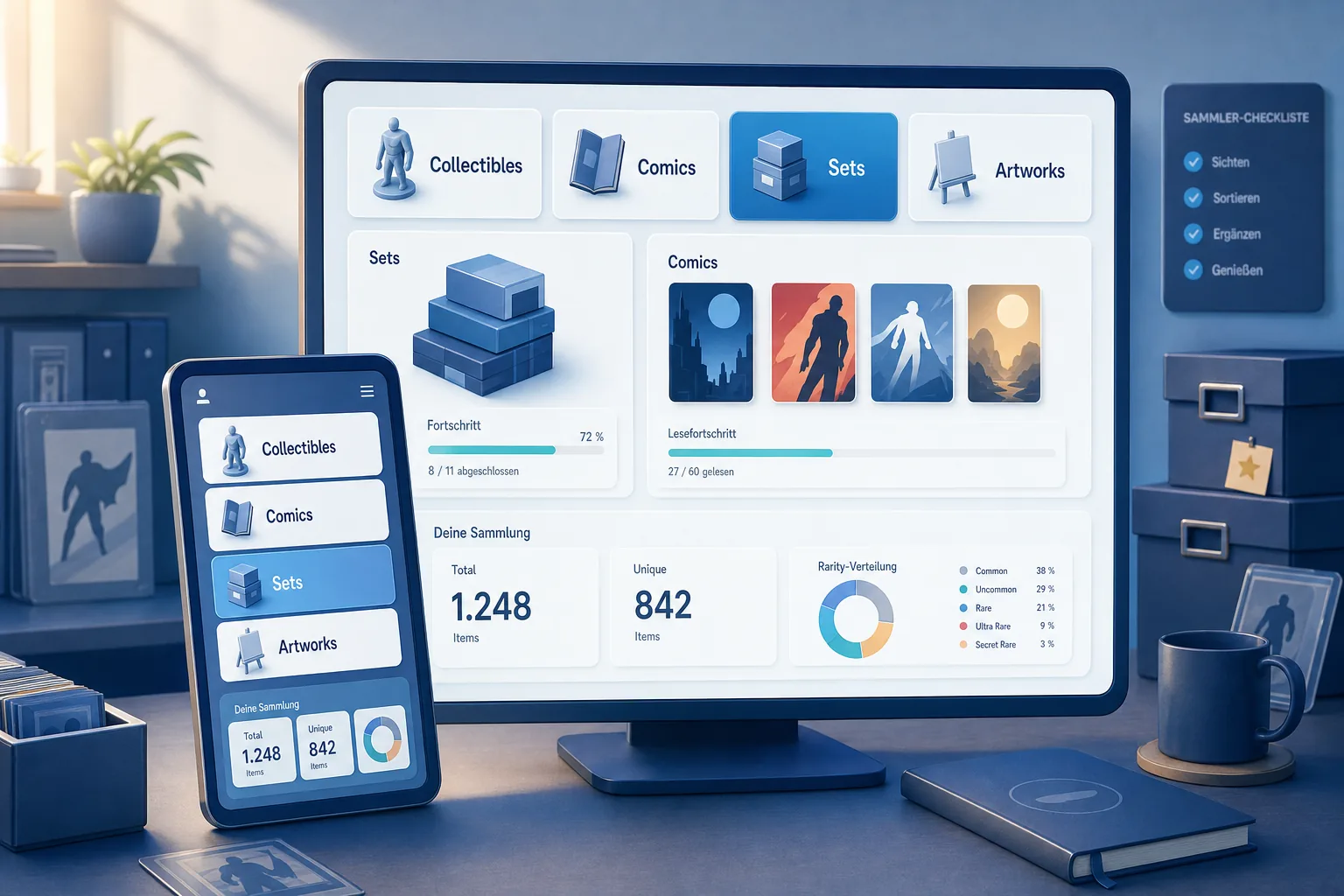
Many collectors mix up these areas. That can create false expectations and sometimes lead to poor buying decisions. The Wishlist shows what interests you. Collection View shows what you own. Set progress shows what you still need to complete sets. Market search shows what is currently listed.
Here is a practical breakdown:
- Wishlist: Your personal watchlist for potential future purchases.
- Collection View: An overview of the collectibles, comics, sets, and artworks you already own.
- Set progress: A guide to which items are missing from a particular set.
- Market search: Current listings, the floor range, spreads, and available sellers.
If you want to organize your collection more effectively, also read our guide to VeVe Collection View. That guide focuses more on reviewing your existing collection, while the Wishlist is primarily a planning tool for what may come next.
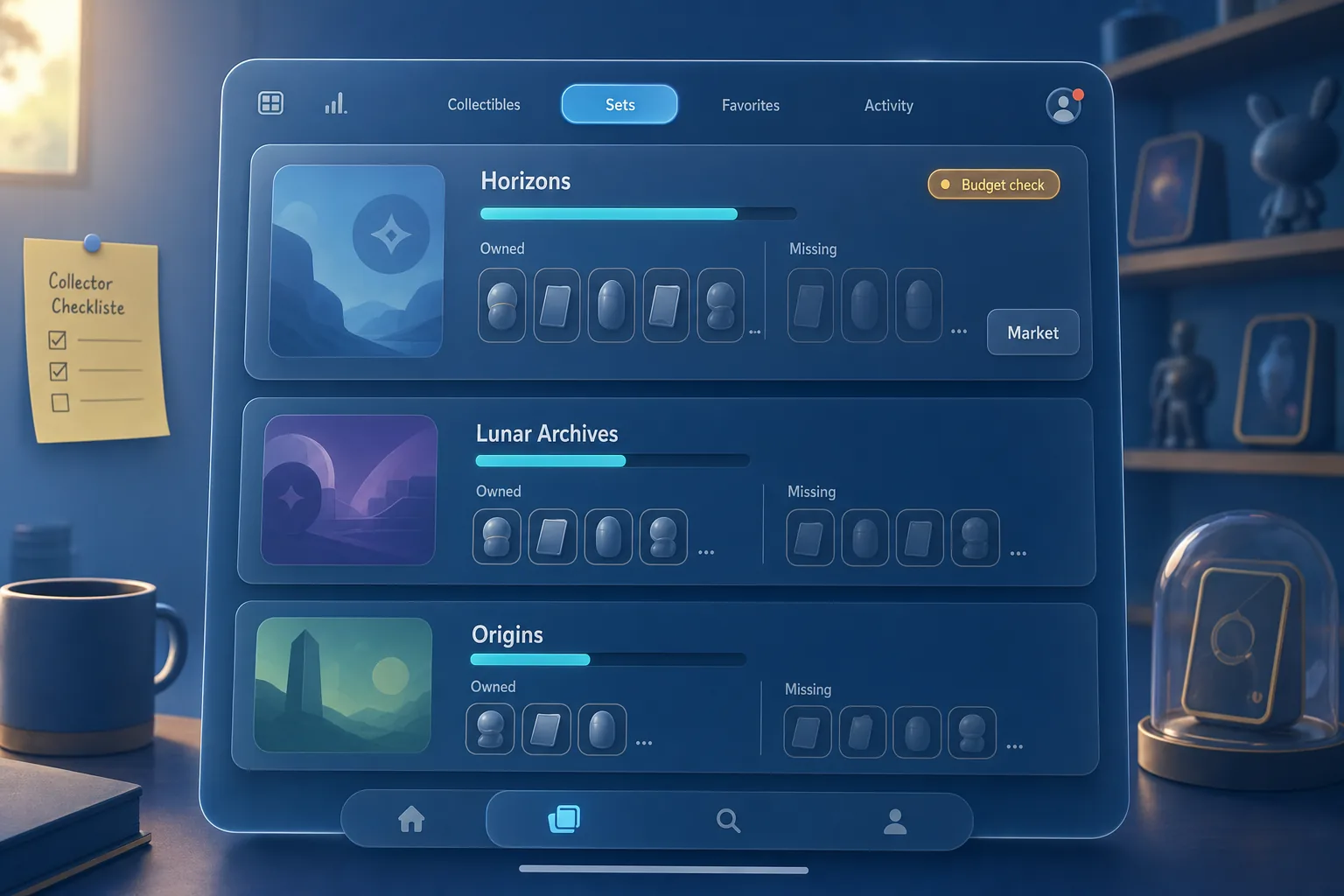
Quick Start: How to Build a Useful VeVe Wishlist
A good Wishlist does not begin by marking everything. It begins with a goal. First ask yourself why an item belongs on the list. Do you want to complete a set, collect a specific character, monitor comics from a particular series, or simply remember an upcoming Drop?
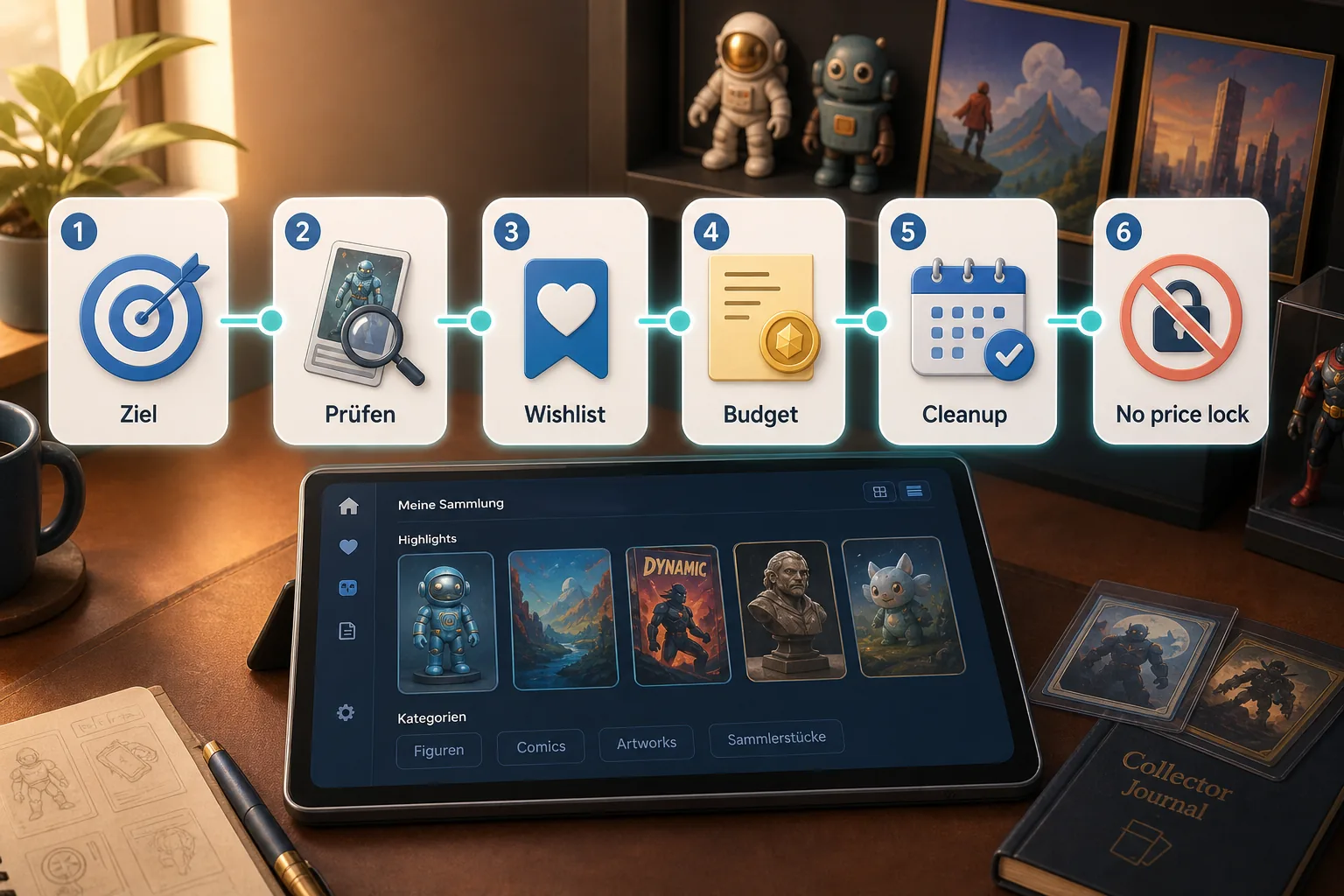
1. Set Collecting Goals
Examples of clear goals include: “I only collect Star Wars droids,” “I want to complete a particular Disney set,” “I am watching Spider-Man comics,” or “I will track no more than three Drop candidates per week.” The narrower the goal, the more useful the list becomes.
2. Separate Short-Term and Long-Term Wants
Short-term wants are items you realistically plan to review over the next few days or weeks. Long-term wants are watchlist items—interesting, but not urgent. Keeping them separate helps protect you from making an impulse purchase every time you open the Market.
3. Track Your Budget Outside the App
The Wishlist is not a substitute for a budget. Keep a separate record of the maximum number of Gems you want to spend on a Drop, set, or month. If you are planning your Gems before a Drop, our guide to buying Gems on the website vs. in the app can also help.
4. Review the Details Again Before Buying
An item is not automatically a good purchase just because it is on your Wishlist. Before buying, review its rarity, edition, set connection, current listings, fee structure, and your own motivation again.
Using the Wishlist Before Drops: Prepare Without the Rush
The Wishlist is especially useful before Drops when multiple items, variants, or comics have been announced. Instead of deciding at the last minute, you can rank them in advance: must-have, interesting, only if the budget works, or skip.
If you want to improve your overall Drop-day preparation, pair this approach with our VeVe Drop Preparation: 7 Quick Checks. Waitlist, Auto-Pay, Rebound, and MCP topics are also relevant in 2026; these mechanics are covered in more detail in our guide to VeVe Drop Strategies 2026.
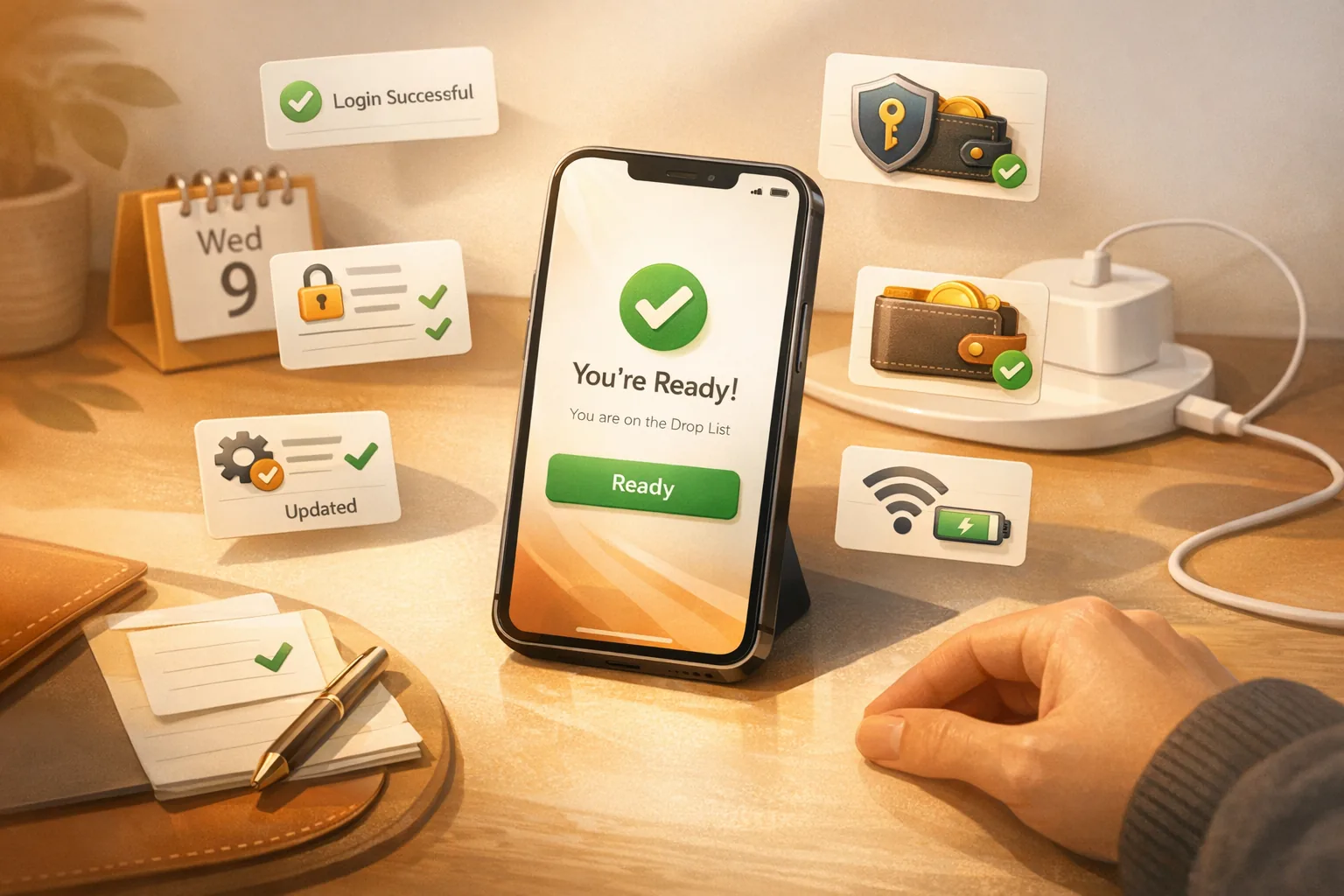
A simple Drop routine looks like this:
- Save only the items you genuinely want to consider.
- Set clear priorities: 1, 2, 3—not ten equally important candidates.
- Decide in advance when you will walk away.
- Have a Plan B: Check the Market later or skip the Drop.
- Avoid impulse purchases just because other people are getting loud.
If you are just getting started, first read our VeVe Sign-Up and Starter Credit Guide. It provides an organized introduction, and you can currently receive $10 in free starter credit when signing up. This is not a promise of a purchase or profit, but a little help for your first cautious test of the app.
Using the Wishlist in the Market: Watch Instead of Chase
In the Market, the Wishlist can quickly become a price-tracking list. That is helpful as long as you do not confuse it with a real price alert. The Wishlist reminds you about items, but it does not guarantee a particular price or remove the need to review listings yourself.
Before selecting “Buy,” ask yourself at least these questions:
- Is this item still a genuine goal, or is it simply an old entry?
- How large is the gap between the cheapest listing and the next listings?
- Are there visible differences in mint number, edition type, or variant?
- Does the purchase still fit your monthly budget?
- Would you still keep the item if its price did not increase?
For this part, read our VeVe Market Guide. It covers buying, selling, liquidity, timing, and common risks—the exact points you should not skip before buying a Wishlist item.
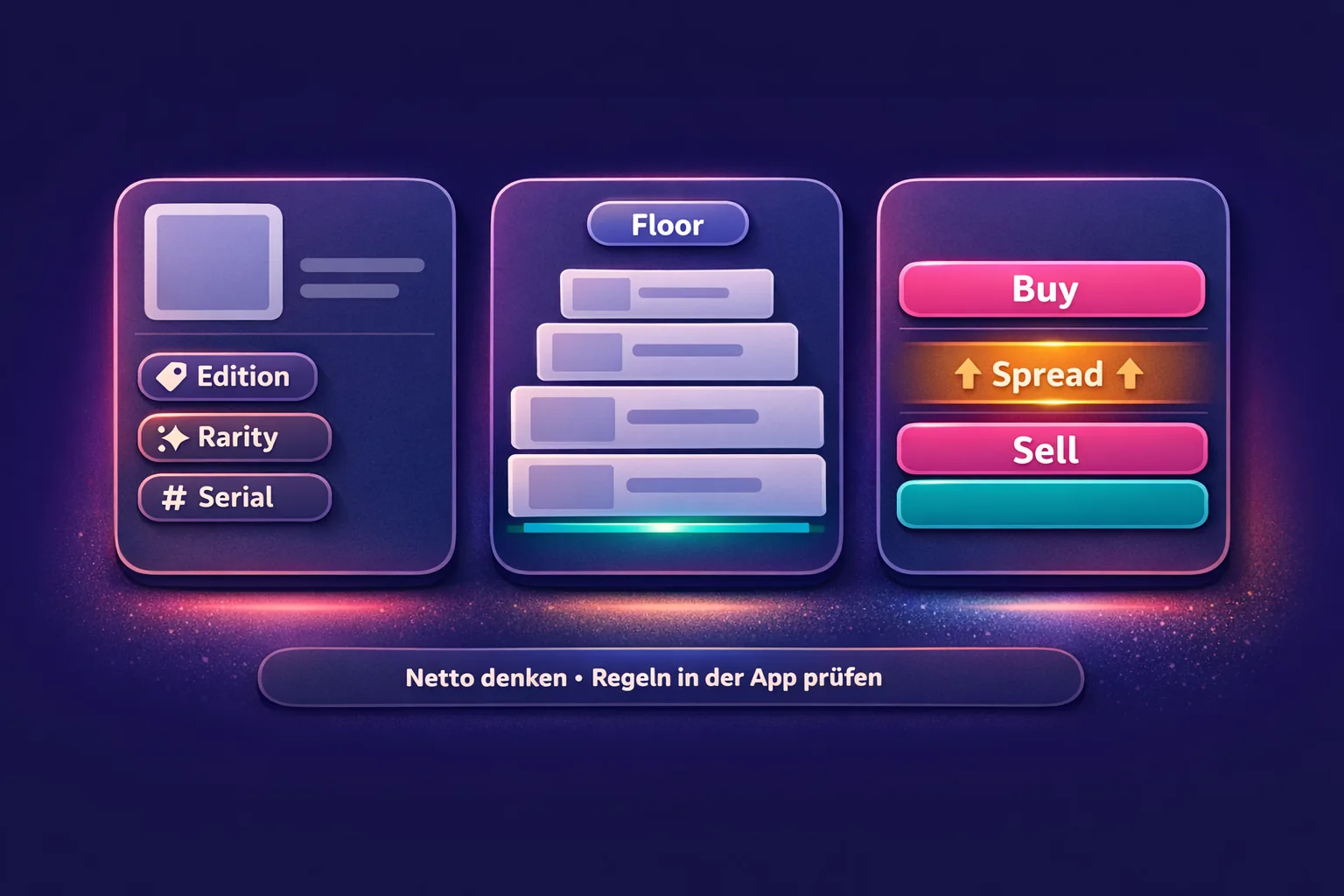
Using the Wishlist to Build Sets: Make Missing Pieces Visible
Many collectors find the Wishlist especially effective for set building. If a set matters to you, you can add missing items to the list and later evaluate whether buying them makes sense. This helps you make fewer random purchases and build collections more intentionally.
But remember: A missing set piece is not automatically a good purchase. Sometimes a set goal is too expensive, too stressful, or simply no longer suited to your collector profile. The Wishlist can help you postpone that decision—it should not make the decision for you.
If you also want to understand sets in the context of the Master Collector Program, read MCP Basics 2026. It explains how sets, daily points, and collecting strategy may be connected without implying guaranteed rewards.
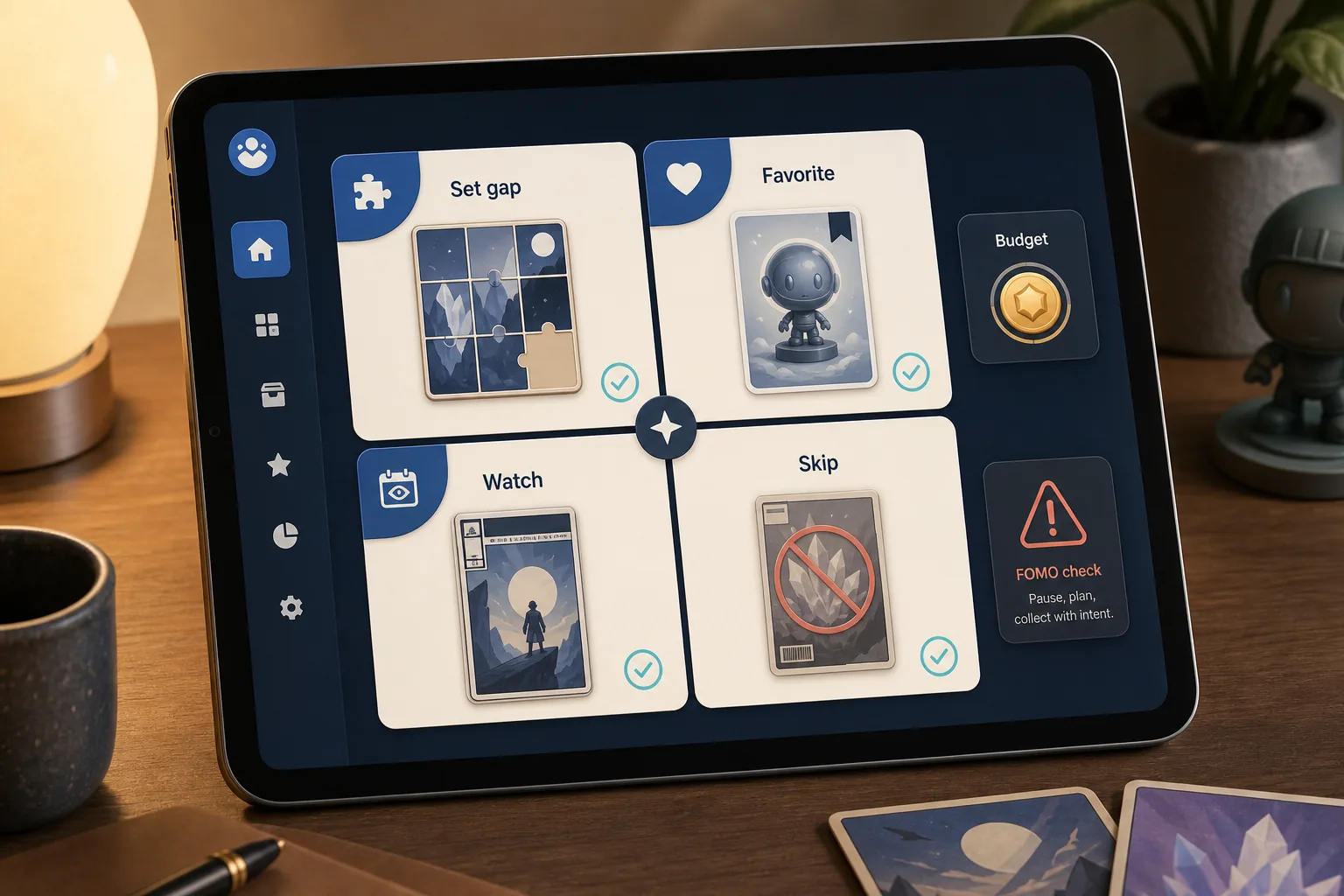
Prioritize Without FOMO: The Four-Question Rule
The biggest risk is not the Wishlist itself, but how you use it. If everything is on the list, everything starts to feel scarce. A consistent decision-making routine is a better approach.
Ask these four questions before every purchase:
- Do I want to own this item, or am I just chasing the hype?
- Does it support an existing collecting goal?
- Can I buy it without changing my budget?
- Is there a cheaper or more suitable alternative?
If you cannot answer two of these questions clearly, waiting is often the better decision. This is especially true for heavily discussed Drops or Market listings that only appear inexpensive for a short time.
Price Notes and Screenshots: Why External Records Help
The Wishlist does not automatically save your reasoning. That is why a brief external note can help: Why is this item on the list? What budget did you have in mind? Which alternative might work?
You can use a basic notes app, a screenshot folder, or a small spreadsheet outside the app. The tool itself is not what matters—the discipline is: date, item, reason, price range, and decision. Clear records may also be useful later for support or proof-of-purchase issues. Learn more in our guide to VeVe receipts and proof of purchase.
Common VeVe Wishlist Mistakes
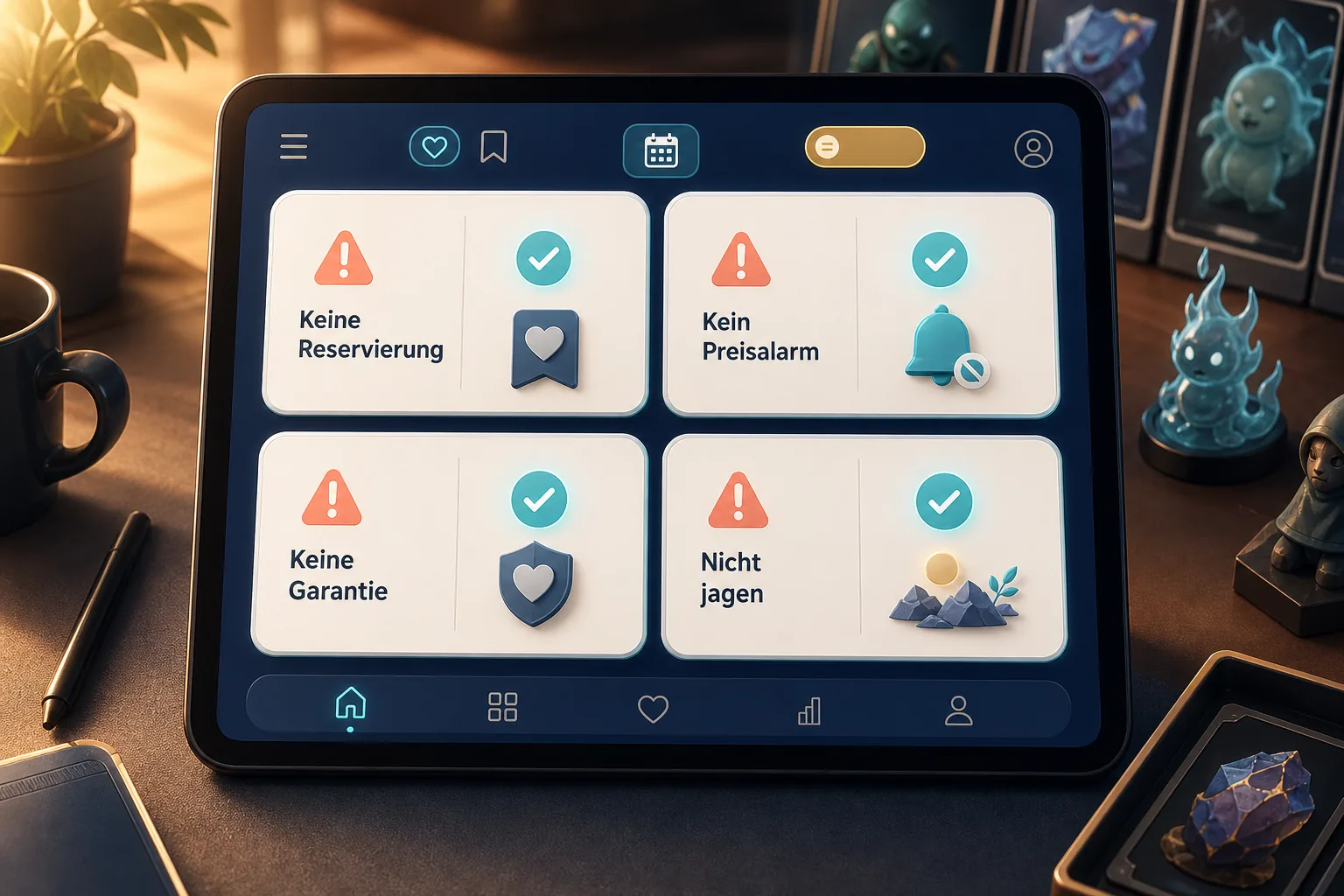
Mistake 1: Confusing the Wishlist With a Reservation
An item on your Wishlist does not belong to you. It is not blocked, reserved, or held for you. If it sells out or the price increases, the Wishlist does not change that.
Mistake 2: Treating the Wishlist Like a Price Alert
The Wishlist does not guarantee that you will be notified about price changes in time. Review listings yourself, and do not base your decision only on the first visible floor price.
Mistake 3: Saving Too Many Items
A huge list may feel productive, but it makes decisions harder. A few active candidates and regular cleanup work better.
Mistake 4: Chasing Every Drop
A Drop does not have to fit your collection just because it is new. If you can no longer explain why you wanted the item after buying it, it was probably FOMO.
Mistake 5: Ignoring Collection View
Sometimes your existing collection already shows that you own enough similar items. Before making a larger purchase, always check whether the new Wishlist item genuinely fills a gap.
If you frequently find yourself in these situations, review our guide to common VeVe beginner mistakes and fixes. Many poor purchases result not from missing app features, but from a lack of routine.
Collector Checklist: Keep Your Wishlist Useful
- Track only a small number of active purchase candidates at one time.
- Separate Wishlist entries into Drop, Market, set, comic, or artwork categories.
- Give every item a clear reason for being there, at least in your own notes.
- Set your priorities and budget before Drops.
- Do not immediately buy everything on the Market after missing out on a Drop.
- Review Market listings for the floor price, spread, and item details.
- Remove outdated Wishlist items once a week.
- Do not make purchases through DMs, supposed special deals, or external offers.
Think Differently About Comics, Collectibles, and Artworks
For comics, the Wishlist can help organize series, cover variants, or reading material. With 3D collectibles, the focus is more often on characters, display appeal, AR use, or set goals. For artworks, visual selection and presentation tend to play a larger role.
If you are not yet sure which category suits you best, read our comparison of VeVe Comics vs. Collectibles. For digital comics themselves, the VeVe Comics Guide is also a good starting point.
VeVe Wishlist FAQ
Is the VeVe Wishlist the Same as a Watchlist?
In everyday use, the terms are often used in similar ways. Both refer to a list of items you want to monitor or review later. The important point is that watching does not mean owning.
Does the Wishlist Reserve an Item for Me?
No. The Wishlist is not a reservation and does not give you a right to purchase. Availability, Drop allocation, and Market listings remain separate matters.
Will I Automatically Receive a Price Alert?
You should not assume so. Use the Wishlist as a reminder, but review prices and listings yourself.
How Often Should I Clean Up My Wishlist?
For active collectors, a brief weekly review makes sense. Remove items that no longer fit your budget, set goals, or collecting focus.
Can the Wishlist Prevent Bad Purchases?
It can help when combined with budget rules and clear priorities. On its own, it cannot prevent poor purchases—you still make the final decision.
Final Thoughts: The Best Wishlist Is Short, Honest, and Maintained
In 2026, the VeVe Wishlist is a useful collector feature when treated as a planning tool. It can bring structure to Drops, Market monitoring, set building, and comic selection—but only if you do not confuse it with a purchase guarantee, price alert, or promise of returns.
The best approach is simple: Keep a few clear goals, set firm budgets, clean up the list regularly, and avoid panic buying. That turns the Wishlist from a FOMO list into a calm tool for making better collecting decisions.
If you would like to try VeVe: Sign up for VeVe with $10 in starter credit. Note: When you sign up through this affiliate link, you will receive $10 in free starter credit. VeVeInsider may receive a commission; there is no additional cost to you, and you will receive the stated free starter credit.
Sources