At first glance, NFT marketplaces often look similar: listings, floor prices, a buy button, and perhaps a wallet connection. But for collectors, a platform’s quality usually comes down not to the best-looking interface, but to three practical questions: What will buying or selling really cost me, how secure is my access, and how easily can I get into or out of a collectible later?
That is where a convenient experience can turn into costly assumptions. This guide will help you compare marketplaces across platforms without predicting prices or selling dreams of returns. The focus remains collector-first: better decisions, less stress, and clearer routines.
TL;DR: Good NFT marketplaces are defined not by hype, but by transparent fee structures, reliable security features, and genuine liquidity.
- Fees: Always compare the full net cost, not just the visible marketplace fee.
- Security: Account protection, recovery processes, and clear official communication channels are essential.
- Liquidity: Lots of listings alone are not enough; floor depth, spread, and actual activity matter.
- VeVe: Particularly interesting for collectors who value curated IP, ease of use, and a highly guided collecting experience.

Why These Three Criteria Belong Together
Fees, security, and liquidity should never be considered in isolation. A platform with a low visible fee can still be expensive overall if purchase paths, spreads, currency conversions, or withdrawal terms are unclear. Conversely, a technically open marketplace offers little value if security or usability leaves you constantly worried about making mistakes.
For collectors, the better question is: How well does the overall package fit my collecting style? Someone who mainly wants to hold, display, and selectively trade licensed digital collectibles will evaluate platforms differently from someone focused primarily on open wallet interoperability.

Quick Start: How to Properly Compare an NFT Marketplace
If you do not want to spend hours researching, follow this order. It will help you avoid the most common collector mistakes before you even make your first purchase.

Define Your Goal First
Do you want to collect, flip, complete sets, or primarily own collectibles from well-known brands? Without a clear goal, every platform can seem like a reasonable fit. Once your goal is clear, you can quickly tell whether you need convenience, openness, a strong brand focus, or greater flexibility.
Review the Custody Model
Ask yourself whether you are starting with a custody model or taking direct responsibility for your own wallet. Either approach can make sense, but each requires different security routines. For an introduction, see our guide to Custody vs. Self-Custody.
Understand the Real Cost Path
Do not look only at purchase fees. Review the entire process: deposits, account balance structure, marketplace transactions, a potential sale, withdrawals, and external transfers. With app-based ecosystems in particular, it is also worth reviewing app store fees and payment methods.
Check Security Features Before Buying
Does the platform offer strong login protection, clear recovery options, transparent support processes, and guidance on official channels? If you already see gaps here, the rest rarely gets better. A secure start also matters in the VeVe ecosystem, which is why the VeVe Beginner’s Guide 2026 is a useful reference for basic security hygiene.
Do Not Confuse Liquidity With Buzz
Lots of social media posts do not automatically mean good liquidity. Look at floor depth, spread, listing turnover, and how quickly reasonably priced listings sell—or remain unsold.
Understand Transfer and Exit Rules
Especially with Web3 platforms, the exit is at least as important as the entry. Which transfers are available, what happens in-app, what happens off-platform, and where do additional terms apply? For sensitive topics such as wallets, migrations, bridges, or explorers, use only the platform’s official links.
Start Small, Then Scale Up
A small test purchase often reveals more than ten comparison videos. You will learn about checkout, presentation, listing mechanics, support quality, and your own comfort level without immediately taking on unnecessary risk.
How to Compare Fees: Always Think From Gross Cost to Net Proceeds
The most common mistake is simple: collectors compare only one fee. In practice, costs can arise at several stages. These may include purchase processing, app store pricing structures, marketplace fees, creator royalties, network or service fees, currency conversions, spreads, and potential withdrawal deductions.
Most importantly, the cheapest purchase path is not automatically the cheapest overall path. If you want to learn more about VeVe-specific costs, this overview of VeVe fees and costs is a good place to start.
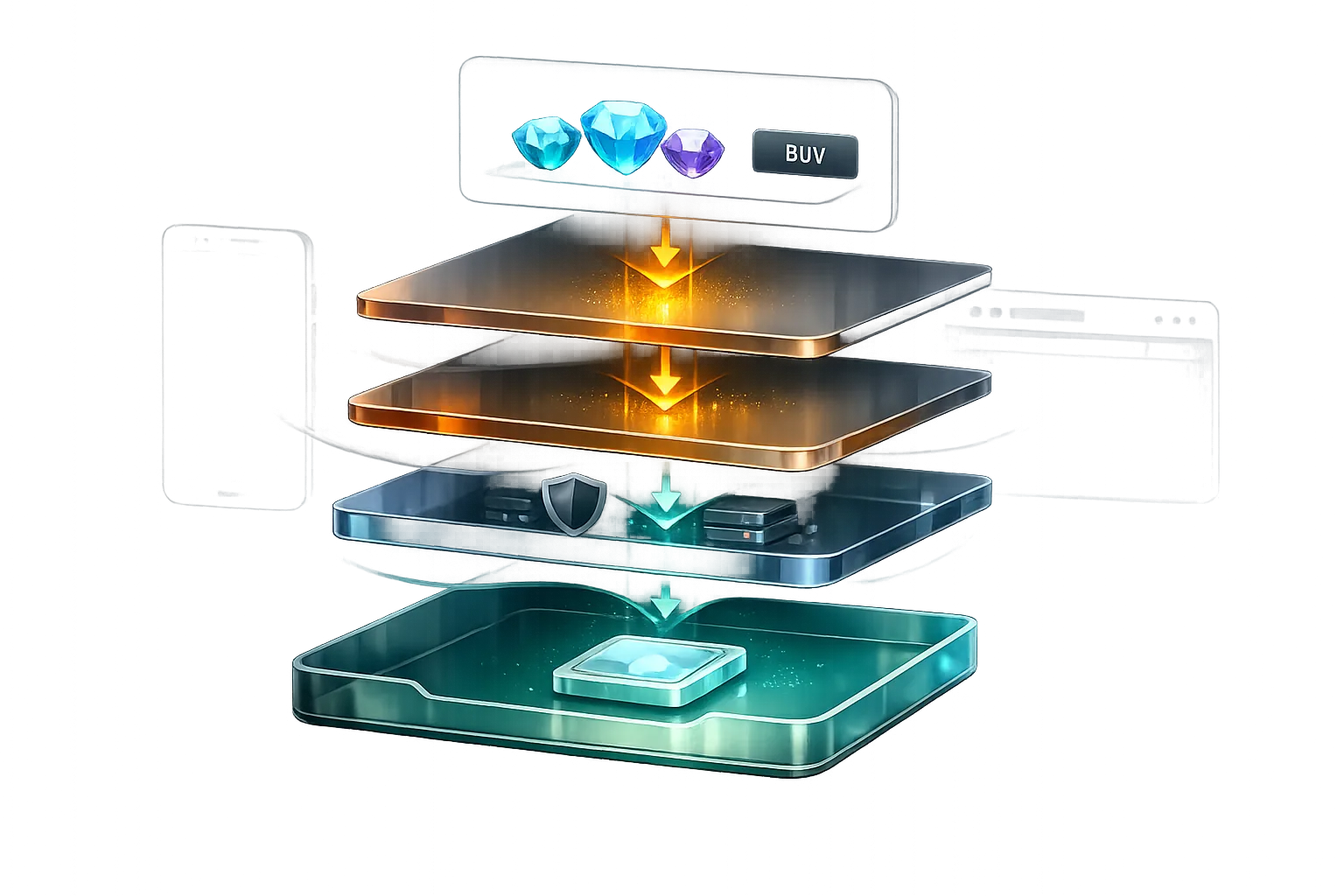
What to Look for in Fee Structures
- Purchase costs: What does it really cost to get in, beyond the listing price?
- Selling costs: What deductions apply between listing and net proceeds?
- Withdrawal or exit: What additional steps or conditions apply later?
- Spread: How much could you lose if you need to trade quickly instead of patiently?
- Balance structure: Are you buying the asset directly or purchasing an in-app balance first?
- Region and channel: The app, website, and country may each have different terms.
This distinction is especially important in the VeVe ecosystem because collectors often conflate Gems, the purchase channel, and the final Market result. Thinking in net terms makes cost calculations calmer and reduces surprises about your actual cost basis.
Essential Security Features in 2026
Security is not just a wallet issue. Even on more guided platforms, you need clear safeguards against phishing, account takeovers, device loss, and support impersonation. Good security does not simply mean that protection is technically available—it also needs to be manageable and reliable for everyday users.
A solid minimum includes a strong password, a secured email account, additional verification, proper session controls, and clear recovery rules. Whenever wallets, migrations, or explorers are involved, use only official blog, app, or support channels. For the fundamentals, revisit Custody vs. Self-Custody. For more transparency in the VeVe ecosystem, see the Collect Block Explorer Guide.
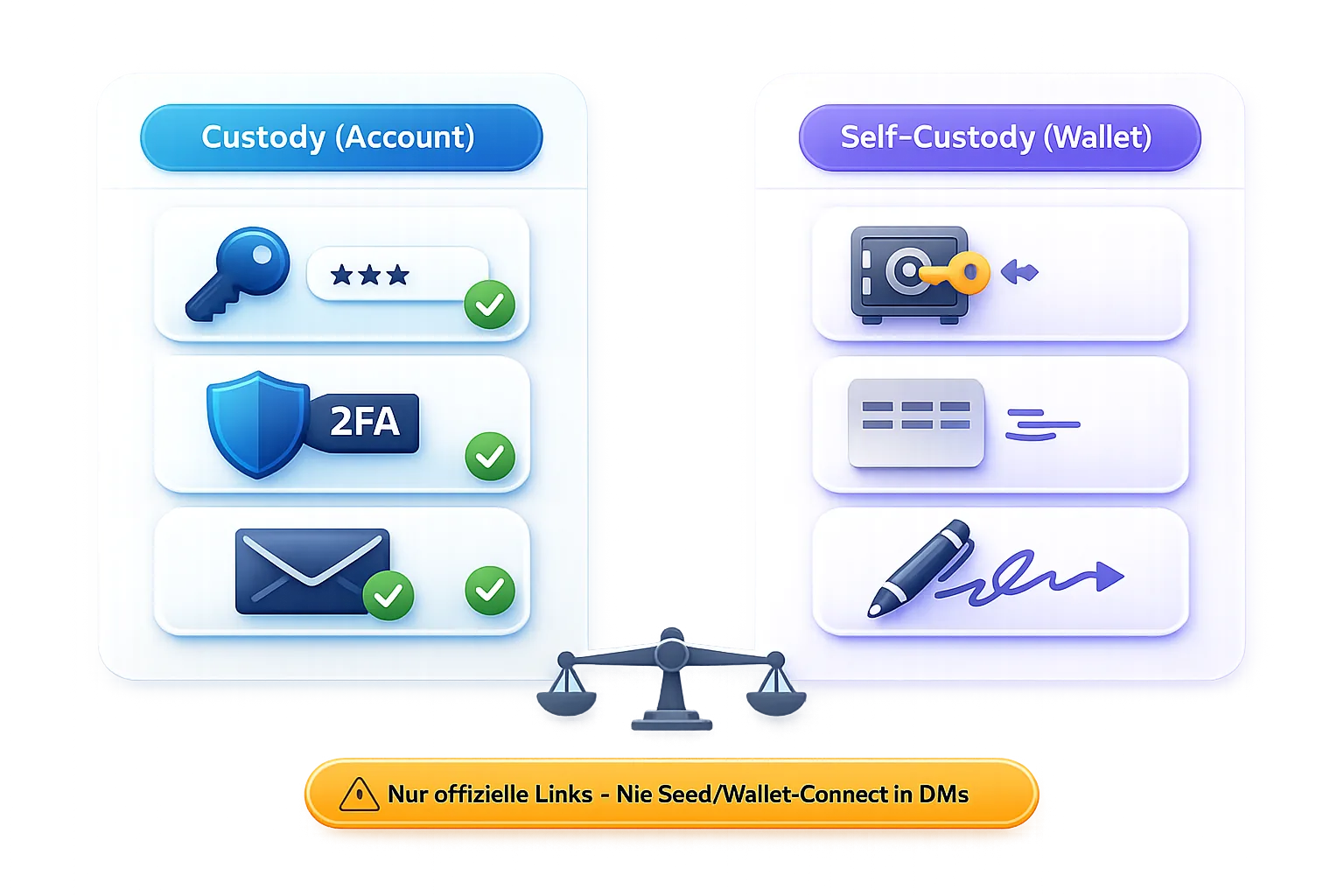
Must-Have Security Features
- Strong account protection: not just for login, but also for email and device access.
- Transparent recovery: easy to understand, documented, and accessible before an emergency happens.
- Phishing-resistant communication: clear guidance on which links, domains, and channels are official.
- Verifiability: transaction history, records, explorers, or other verification options where relevant.
- Reliable support: dependable enough that collectors do not have to turn to DMs when a problem occurs.
- Minimal risky steps: every unnecessary extra step introduces another potential point of failure.
VeVe is appealing to many collectors in this respect because its guided model can feel easier to enter than fully open on-chain marketplaces. That convenience is an advantage, but it does not replace good personal security habits.
Why Liquidity Matters to Collectors
Liquidity is often taken seriously only when someone wants to sell and discovers a gap between their target price and a realistic exit. But liquidity matters at the time of purchase too, because it affects how credible a floor price is, how closely listings are grouped, and how easily you can react later.
A thinly traded market may look stable during quiet periods but shift quickly when activity picks up. A more liquid market is generally more forgiving of timing mistakes because buying and selling opportunities do not move completely out of sync. For more on this in the VeVe ecosystem, see our guide to VeVe Market liquidity and timing.
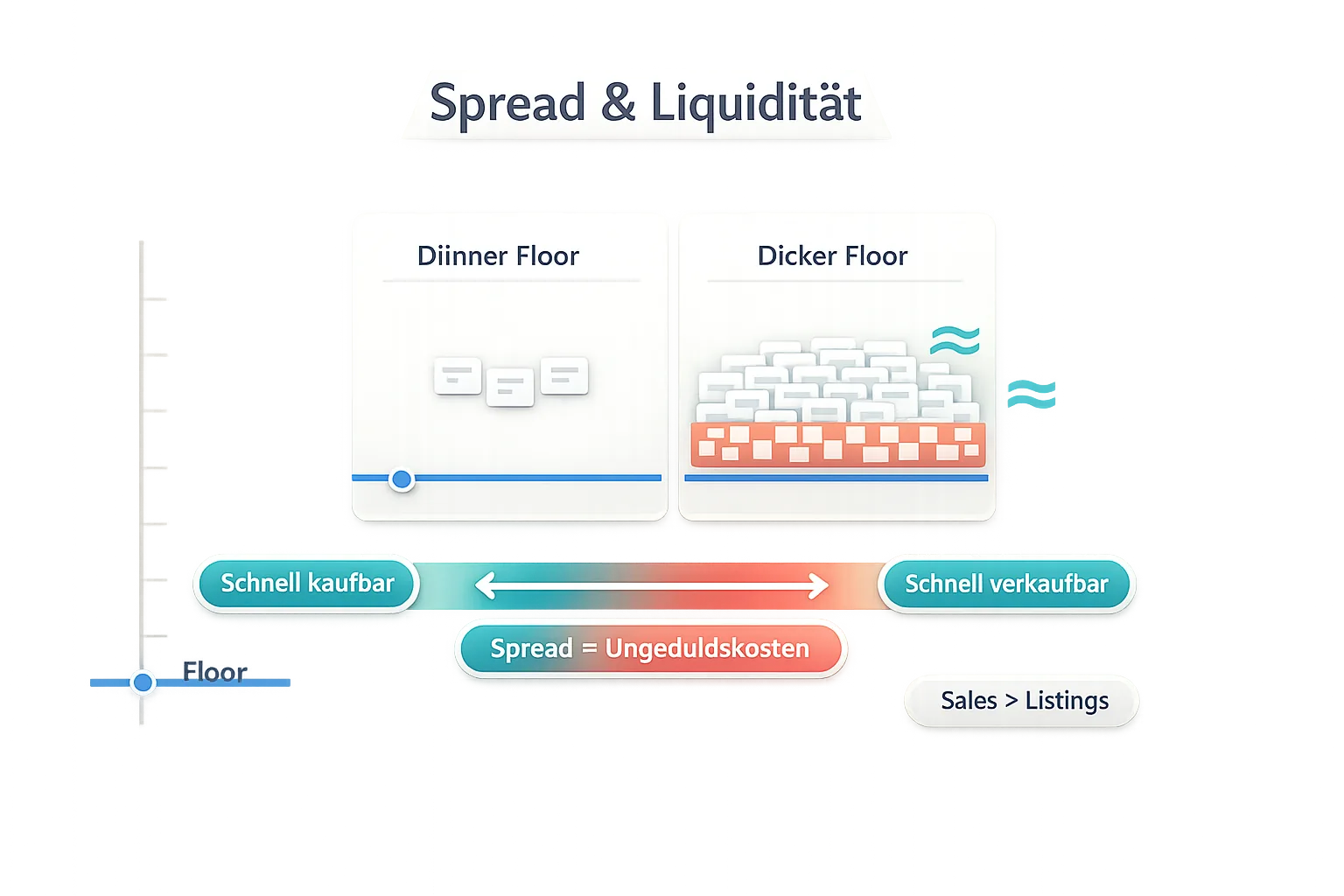
How to Evaluate Liquidity With a Collector-First Mindset
Floor depth: When many listings are priced close together, the market is usually more resilient than one with large price jumps. Spread: The wider the gap between affordable buying options and a realistic selling range, the more expensive impatience becomes. Activity: What matters is not only what is listed, but whether well-priced listings actually sell.
For collectors, this means that a rare collectible with limited liquidity can still have tremendous emotional value. Just remember that collector value and market liquidity are two different things.
Where VeVe Fits Well in This Comparison
VeVe’s strengths are most apparent when you are looking for a curated, brand-driven collecting experience. Many users appreciate its relatively accessible combination of an app-focused experience, guided accounts, licensed offerings, clear presentation, and a Market that feels more like a collector ecosystem than a generic open marketplace.

From a collector’s perspective, VeVe’s appeal often lies in its combination of well-known IP, community connection, Drop culture, and the feeling of collecting in a more closely managed environment. To see how VeVe fits into the broader market, read our VeVe platform comparison.
At the same time, it is important to view the trade-offs objectively. VeVe is not simply “better”; it is a better fit for certain types of collectors—particularly users who prioritize convenience, curation, and guided processes over maximum openness at every step. That is precisely why fee structures, Market risks, and security setup should all be considered alongside the platform experience.
New to VeVe? If you sign up through our link at no extra cost to you, the current starter credit guide says you will receive $10 in free starter credit.
Collector Checklist
- I know my goal: collect, hold, trade, or complete sets.
- I have reviewed fees across the full cost path, not as a single percentage.
- I know whether I am starting with a custody or self-custody model.
- I check security information only through official links, not through DMs.
- I have reviewed liquidity in the specific segment, not just the overall hype.
- I understand my exit: selling, withdrawing, transferring, or simply holding.
- I test new platforms with a small amount first and document each step.
Key Terms Explained
- Custody: The platform manages key access or custody functions for you. This is often more convenient, but it also creates greater platform dependency.
- Self-custody: You take more responsibility for your wallet, recovery, and signatures. This gives you more control but also increases the risk of mistakes.
- Spread: The gap between realistic buying and selling prices. The wider it is, the more expensive it becomes to trade quickly.
- Liquidity: How easily a collectible can actually be traded without causing a major price change.
- Floor price: The lowest available listing for a series or edition. A floor price is meaningful only when there is enough market activity behind it.
- Royalty: A potential share of a secondary market sale paid to the rights holder or creator, depending on the platform model.
- Net proceeds: What you actually receive after all deductions, spreads, and potential additional costs.
Common Mistakes to Avoid
- Looking only at the visible fee: Separating purchase, selling, and exit costs gives you a more accurate calculation.
- Confusing liquidity with popularity: Lots of likes or posts do not replace a functioning market.
- Setting up security too late: Buying first and securing your password, email, or recovery options afterward creates unnecessary risk.
- Treating every platform the same: An open on-chain marketplace works differently from a guided collector ecosystem such as VeVe.
- Starting too big: Small test purchases reveal real friction points more quickly.
- Using unclear official sources: For wallets, migrations, bridges, explorers, or support, use only official platform links.
- Ignoring the exit: If you understand only the purchase but not the eventual sale or transfer, you are collecting blindly.
- Confusing collector value with market value: A favorite collectible can be illiquid—as long as that is a conscious decision.
FAQ
Which Matters More: Low Fees or High Liquidity?
For many collectors, liquidity is often more important than a slightly lower visible fee. If you can sell later only at a steep discount, the lower initial fee will have made little difference. Ideally, a marketplace should balance both effectively.
Is a Major Brand Enough to Indicate Quality?
No. Strong IP can support demand, but it does not replace a sound market structure. Even well-known brands can have very different liquidity and price dynamics across individual series or rarity tiers.
Is Custody Automatically Safer or Less Safe Than Self-Custody?
Neither. Custody can be safer for many beginners because there are fewer opportunities for critical user errors. Self-custody may be a better fit for experienced users, but it requires significantly more discipline around recovery, signatures, and phishing protection.
Why Should I Look Closely at In-App Currencies?
Because the visible price and the effective cost path may differ. Once account balances, app store rules, web checkout, or later withdrawal questions enter the picture, the first click is no longer the only thing that matters—the entire net path does.
When Is VeVe a Particularly Good Fit for Me?
VeVe is often a good fit if you value curated brand experiences, ease of use, and a strong collector-first environment. If maximum openness, direct wallet interoperability, and highly flexible market mechanics are more important to you, you should compare a broader range of platforms.
How Can I Evaluate Platforms Without Getting Overwhelmed?
Choose a specific collectible or a small budget range as your example. Use it to compare the purchase process, security setup, Market readability, spread, and exit options. This practical evaluation is usually more valuable than ten general hot takes.
Conclusion
For collectors, a good NFT marketplace is not the loudest one—it is the most predictable. When you evaluate fees as a complete cost path, security as a routine, and liquidity as genuine tradability, comparing platforms becomes much easier. VeVe can be a very strong option, especially if you consciously prioritize convenience, well-known IP, and a guided collecting experience over maximum openness.
New to VeVe? If you sign up through our affiliate link at no extra cost to you, the current starter credit guide says you will receive $10 in free starter credit.
Sign Up for VeVe With Starter Credit
Note: Affiliate link (we may receive a commission at no extra cost to you).