When you collect digital collectibles, you are not just collecting designs—you are also collecting rules: the custody model, fee structure, liquidity, IP focus, and how closely the overall experience resembles traditional collecting.
That is exactly why comparisons are so useful: They help you choose the platform that fits your collecting style more quickly—without having to learn expensive lessons first.
TL;DR: VeVe is usually the strongest choice if you want curated premium IP, a collector-friendly UX, and in-app collecting, including a community and showcase feel. OpenSea & Co. are better suited to “on-chain-first” collectors who want self-custody, the broadest possible market selection, and external tools. NBA Top Shot is compelling if you enjoy sports Moments and a pack-opening experience. Disney Pinnacle is worth considering for Disney fans who prefer a brand-focused environment—the collecting mechanics and secondary market are the key factors to evaluate.
What This Comparison Is Really About—and What I Am Not Promising
Platforms change their features, fees, and payout methods. That is why you will not find a “price tip” or a returns narrative here. Instead, you will get a decision-making framework that remains useful even when the details change.
If you are new to VeVe and need some context: What Is VeVe?
Comparison Criteria: How to Evaluate Platforms Like a Collector, Not a Trader
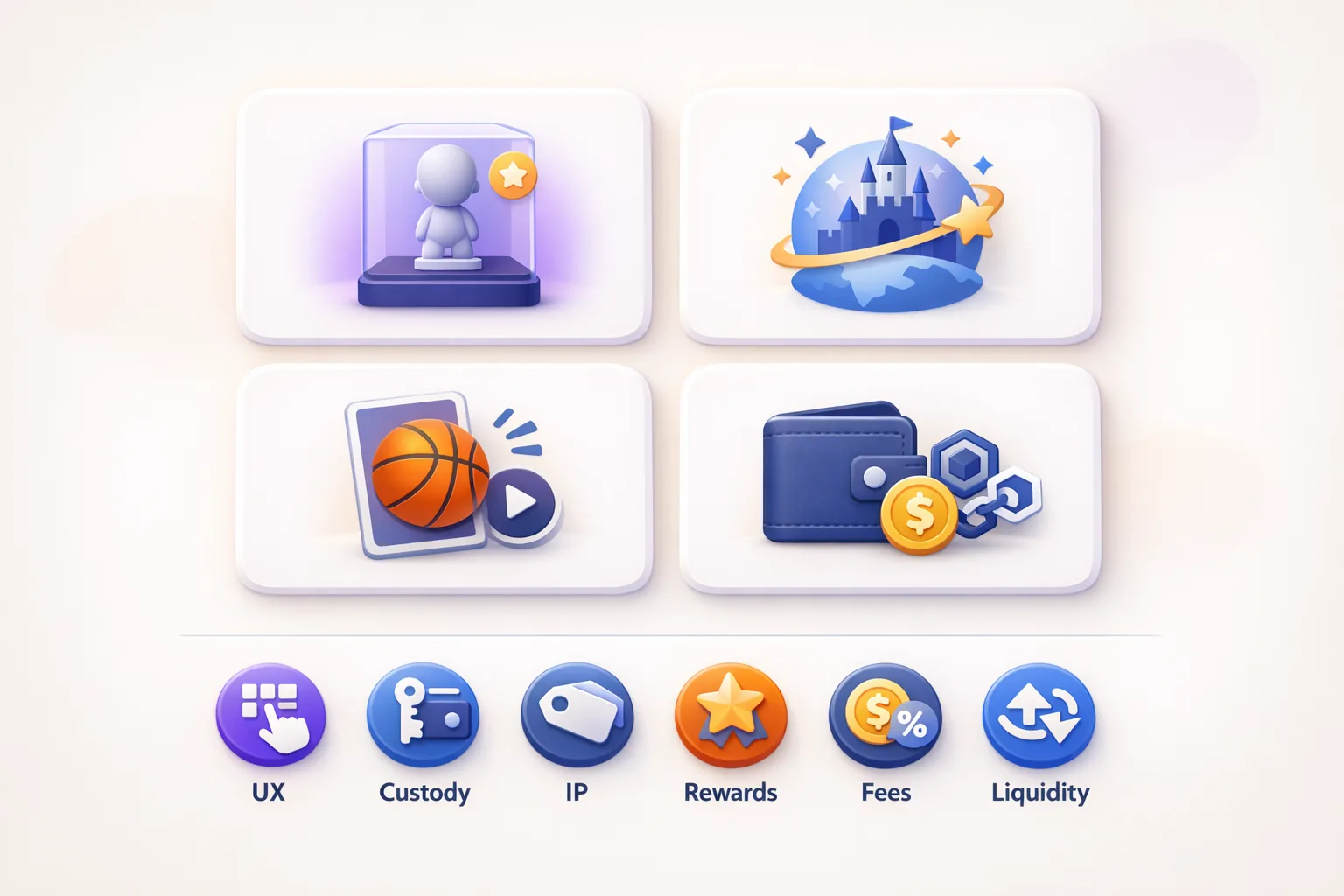
- UX (User Experience): How quickly can you go from “I want that” to “It is in my collection”—without using 10 different tools?
- Custody: Does the platform hold your collectibles for you (custodial), or do you have self-custody through your own wallet and keys?
- IP Focus & Curation: Premium licenses and brands versus open marketplaces with a very broad and sometimes confusing selection.
- Rewards/Loyalty: Are there programs that reward long-term collecting, or only short-term promotions?
- Fees: What does it cost to buy, sell, and potentially cash out—and how transparent are those costs?
- Liquidity: How quickly can you realistically buy or sell without significantly moving the price?
- Target Audience: Beginner-friendly, franchise-focused, sports-focused, degen/on-chain, or creator-heavy.
How VeVe Compares: Where VeVe Typically Stands Out
1) UX: App-First Instead of a Stack of Tools
VeVe is strong if you want a complete collecting experience: discover, buy, view, and showcase collectibles in one environment. It feels closer to traditional collecting than many on-chain marketplaces, where you often have to combine a wallet, signatures, collection verification, and external trackers.
That is not just about convenience. It also reduces common sources of error, such as choosing the wrong collection, following fake links, or using the wrong network.
2) Custody: Convenience vs. Control—and Why It Is Not Just Ideology
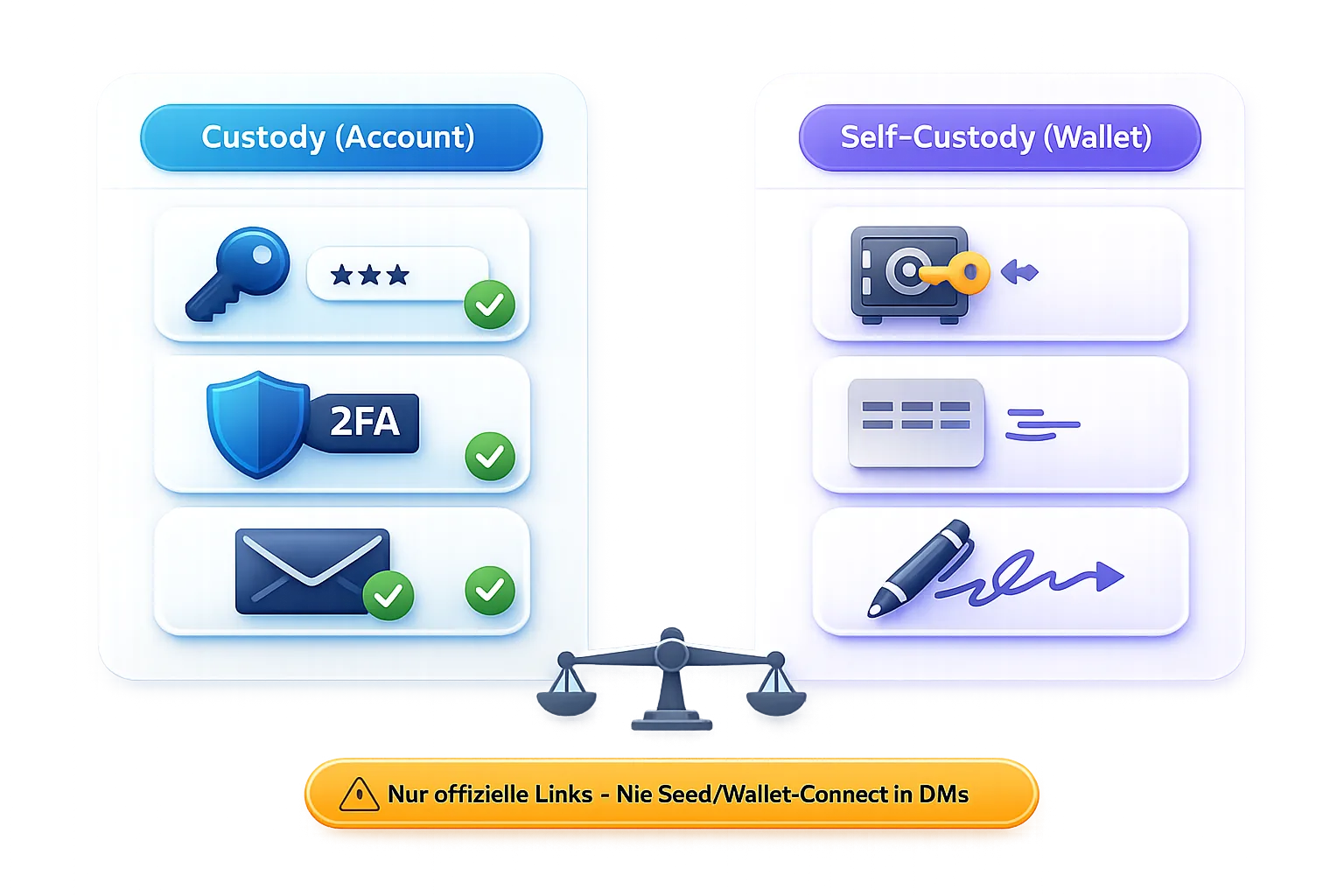
Custody is often the most important decision for collectors. A custodial model may feel safer for beginners because there is less key management, but it also ties you more closely to the platform’s rules. Self-custody gives you maximum control—but also maximum responsibility.
This debate is especially relevant in the VeVe community because custody models and potential steps toward self-custody are regularly discussed. If you want a clear overview without the rumors:
- Collect Chain Phase 2: Self-Custody—Expectations, Risks, and Opportunities
- Collect Chain Migration FAQ: Do I Need to Do Anything?
3) IP Focus: Curated Instead of Everything at Once
OpenSea & Co. are huge, which is both a strength and a risk. You get the broadest possible selection, but also more noise, more fake collections, and more situations where you need to know exactly what you are looking for.
VeVe places more emphasis on curated Drops and well-known brands and franchises. For many collector profiles, that is a genuine advantage because the motivation is less about prices and flipping and more about franchises and completing a collection.

4) Rewards/Loyalty: When Collecting Is Designed as a Long-Term Game
Rewards programs can keep collectors engaged—or disappoint them when expectations become too specific. On VeVe, the Master Collector Program (MCP) is the central reference point. The key is to collect in a way that still makes sense without rewards.
If you want a clear-eyed explanation of the MCP without promises about rewards: MCP Guide
5) Fees: Think in Net Proceeds, Not Just “Fee %”
The same principle applies to every platform: Fees are rarely just one number. There are often several layers, including marketplace fees, creator royalties—which are common on-chain—payment provider costs, network fees such as gas, and indirect costs such as spreads and slippage.
For a neutral overview of VeVe, see: VeVe Fees & Costs
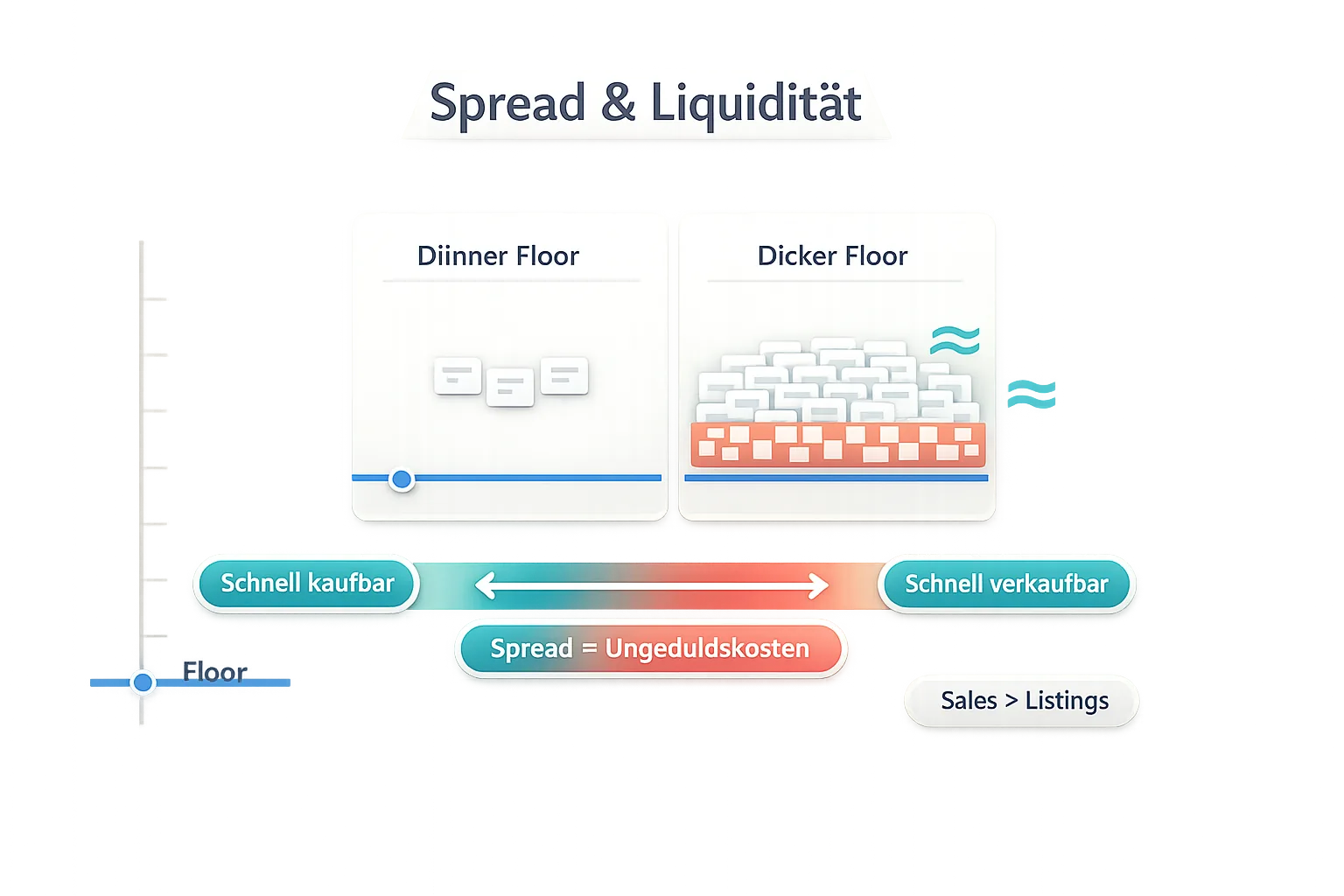
6) Liquidity: Where Collectors Are Most Often Surprised
Liquidity is not simply about how well known a platform is. The questions are: How many listings are near the floor? How wide is the spread? Are there regular sales, or only listings that nobody is buying?
This applies to VeVe just as much as it does to OpenSea & Co. A large ecosystem does not automatically mean that your item is liquid.
How Do Disney Pinnacle, NBA Top Shot, and OpenSea Compare?
Disney Pinnacle: Close to the Brand, but Check the Collecting Mechanics
Disney Pinnacle is an obvious option for Disney fans because its close connection to the platform and brand can build trust, while the environment often feels cleaner than an open NFT marketplace.
Before committing, collectors should always check:
- Custody Model: Do you have genuine self-custody, or is everything held in a platform account?
- Secondary Market: Is there a functional resale market? What are the rules and fees?
- Interoperability: Can you use or transfer collectibles externally, or does everything remain on the platform?
If you carefully evaluate this trade-off between platform lock-in and collecting convenience, you can make a fair comparison with VeVe.
NBA Top Shot: Sports Moments, Pack-Opening Appeal, and a Clear Focus
NBA Top Shot is known for Moments and its pack-opening experience. It can work very well for collectors who:
- Build their collecting identity around sports, including teams, players, and highlights,
- Enjoy pack mechanics,
- and prefer a focused ecosystem over an everything marketplace.
The main point of comparison with VeVe is not which is better or worse, but: Do you want 3D display pieces and comics on VeVe, or Moments and statistics- and season-driven narratives on Top Shot?
OpenSea & Co.: Self-Custody and Maximum Selection—but More Responsibility
OpenSea and other on-chain marketplaces are often the first choice if you:
- Prioritize self-custody,
- Are comfortable with wallets, signatures, networks, and security routines,
- Want to discover long-tail collections, including those beyond major brands,
- and want to use external tools and analytics.
The cost is complexity. Fake collections, phishing links, incorrect token standards, and “Oops, wrong network” mistakes happen more frequently—not because users are careless, but because the system offers more ways to interact with it.
Which Platform Fits Each Type of Collector?
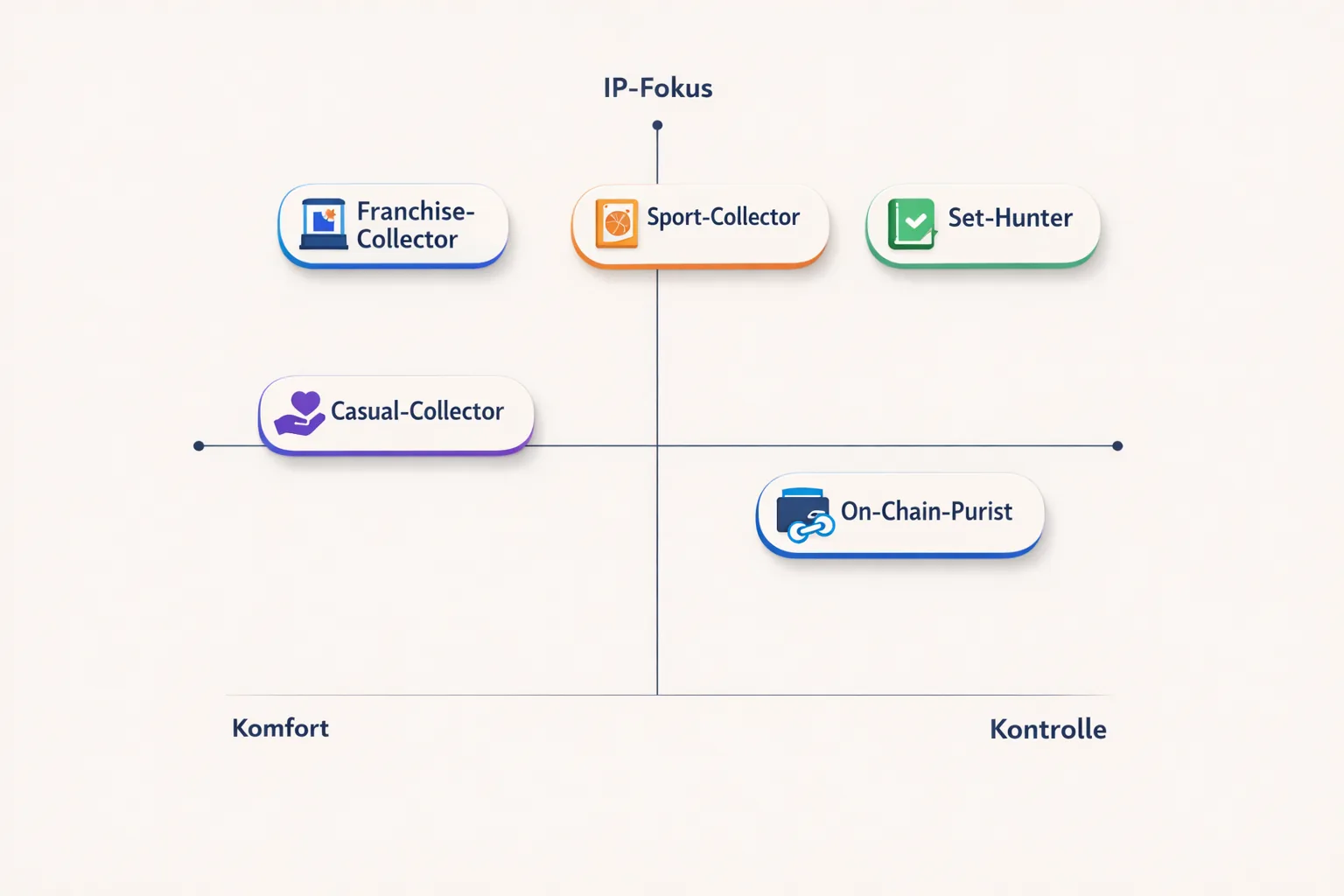
The Franchise Collector: Focused on Disney, Marvel, and Star Wars
- Often a good fit: VeVe and potentially Disney Pinnacle if Disney-first collecting is the priority
- Why VeVe: Curated Drops, a strong collection-building feel, and in-app showcase or AR features depending on the item
- Risk: Always check the latest platform rules for custody, payouts, and transfers
The Sports Collector: Seasons, Teams, and Players
- Often a good fit: NBA Top Shot
- Why: Moments, pack mechanics, and a collecting model built around sports
- Alternative: If you prefer figures and 3D display pieces, VeVe may also make sense as a complementary platform
The On-Chain Purist: Control, Wallets, and DeFi Proximity
- Often a good fit: OpenSea & Co.
- Why: Self-custody, external utility, and a broad ecosystem
- Warning: Security is a routine, not a setting
The Casual Collector: Limited Time and Just Wants to Collect
- Often a good fit: VeVe
- Why: Less tool complexity, clear app navigation, and curated content
- Potential pitfall: “I do not understand the fees or payout process”—clarify these early
The Set Hunter: Completion, Series, and Variants
- Often a good fit: VeVe, because of its collection structure and the program mechanics surrounding collections and the MCP
- Why: Collecting feels like filling an album, not just trading
- Potential pitfall: Do not collect blindly for points—define your core collection first
Quick Start: How to Choose the Right Platform Without Rushing
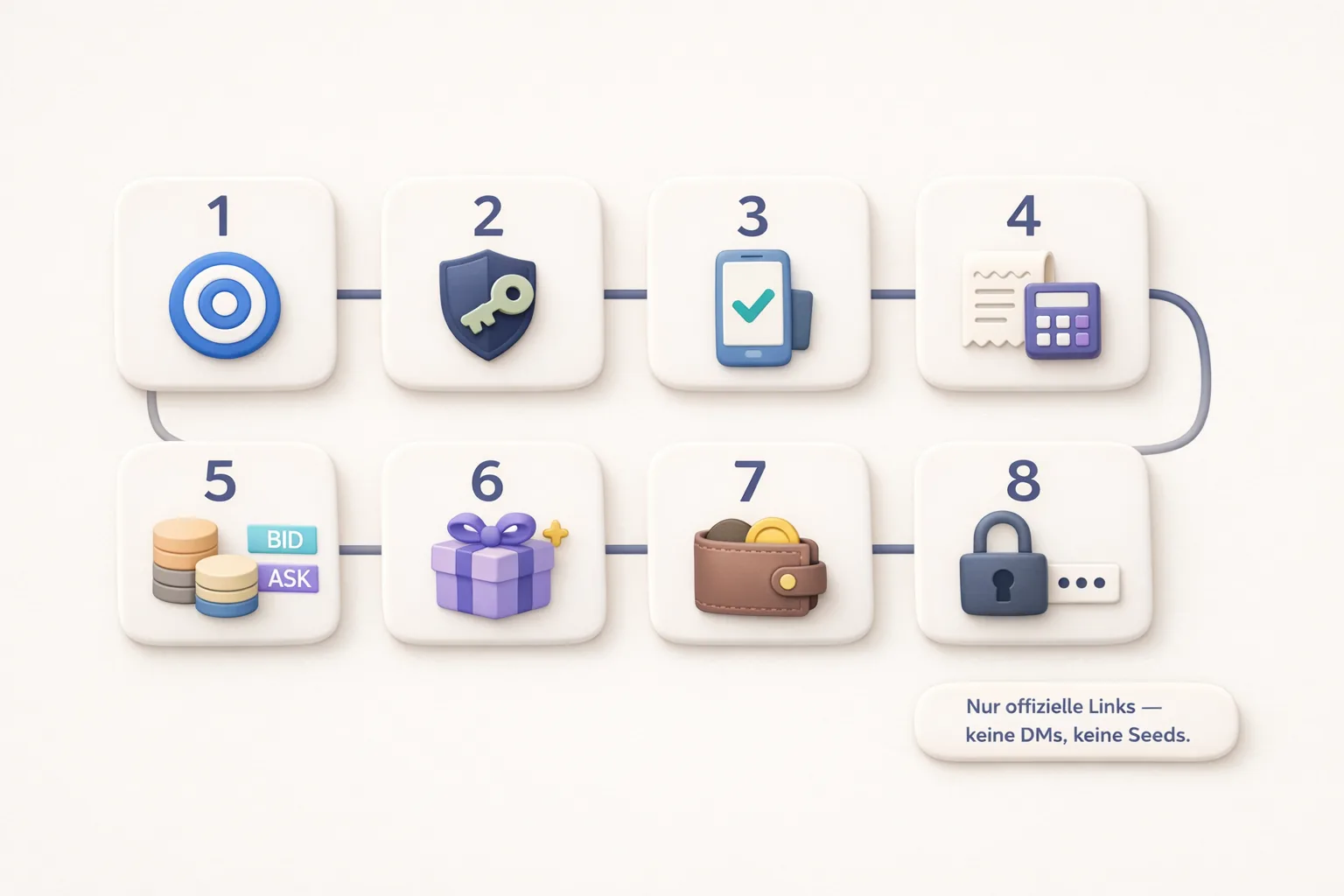
- Define your collecting goal in one sentence. For example: “I want to collect Marvel and Disney display pieces,” or “I want to organize sports Moments by season.”
- Choose your custody profile. Do you really want to manage self-custody day to day, including recovery, seed phrases, and address checks—or is convenience more important?
- Test the UX without pressure to buy. Install the app and explore Discover, the Market, and the filters. On-chain, connect your wallet only through official websites and start with limited exposure.
- Follow the fee structure through to your net proceeds. Do not look only at the “fee.” Ask what is actually left after a sale. For VeVe, use the fee overview and verify it in the app.
- Run a quick liquidity check. For comparable items, review floor depth, spread, and sales frequency. A dead list of floor listings is not a market.
- Treat rewards as a bonus, not a plan. Loyalty programs and the MCP can be useful, but your collection should still make sense without the perks.
- Set a pilot budget. Start small, complete two or three purchases or trades, and only then consider scaling up.
- Build a security routine. Use 2FA, protect your email, and use a password manager. For self-custody, have a backup plan, never share seed phrases in DMs, and avoid “support” chats on Telegram.
Collector Checklist: Before Your First Major Purchase
- I know whether I want custodial storage or self-custody—and why.
- I can identify the platform’s official channels, including its website, app, and verified social accounts.
- I understand the fee structure for buying, selling, and, where applicable, payouts or transfers.
- I have checked liquidity: listings versus sales, spread, and activity.
- I recognize common scam patterns, including fake support, fake links, and wallet-connect traps.
- I have defined a budget and time frame so collecting does not become rushed.
Key Terms Explained: Keeping Comparisons Fair
- Custodial: The platform holds your collectibles and access credentials for you. You log in as you would with a standard account.
- Self-Custody: You control access yourself through a wallet, keys, and recovery information. More control means more responsibility.
- IP (Intellectual Property): A license, brand, or franchise such as Disney or Marvel. Curated IP usually means a more selective lineup.
- Spread: The gap between the lowest listing and the price at which buyers can realistically purchase immediately—or sellers can sell immediately.
- Liquidity: How reliably and quickly a collectible can be traded without a significant price discount.
- Royalties: A share of resale proceeds that may be enforced differently for on-chain collectibles depending on the marketplace and standard.
- KYC: Identity verification that may be required for certain features, such as payout processes.
Common Mistakes to Avoid
- “I collect rewards, not designs.” If the program changes, you may be left with nothing you genuinely wanted.
- “Liquidity equals popularity.” Even large platforms have illiquid collectibles. Check sales, not just listings.
- “Fees do not matter because I will sell later.” Net proceeds matter later. Fees, spread, and potential payout rules can be surprising.
- “Custody is just a philosophical debate.” It is not. It determines risk, recovery stress, dependence on support, and flexibility.
- “I will just click the link in the DM.” A classic mistake. Type official URLs yourself or open links from official sources.
- “I buy at the floor without understanding the variants.” Confirm the edition, variant, and series first—or you may end up collecting the wrong item for your goal.
- “I plan around payouts without checking the latest status.” Rules can change. Read the current terms and guides, then verify the information in the app.
If you want to go deeper into KYC in the VeVe ecosystem: VeVe KYC Guide
New to VeVe? According to the current welcome credit guide, if you sign up through our link at no extra cost to you, you will receive a free $10 welcome credit.
Two VeVe-Specific Points That Many Comparisons Overlook
1) Comics vs. Simple “NFT Images”: A Different Collecting Experience
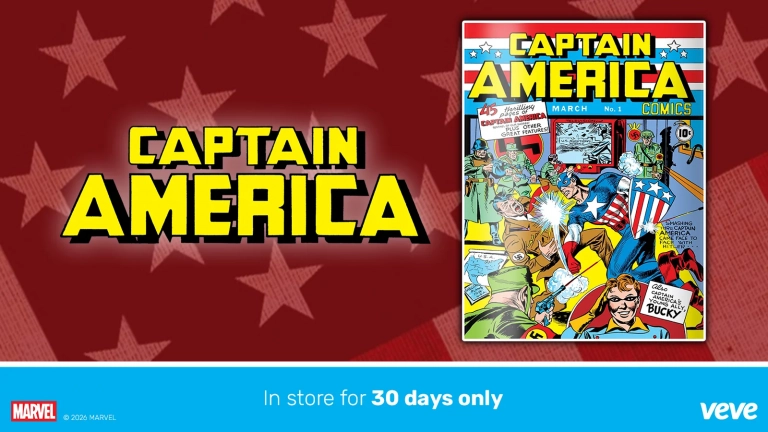
VeVe is not only about 3D collectibles. Comics offer a different collecting narrative built around key issues, cover variants, and series structure. If you come from the comic collecting world, VeVe may therefore feel more natural than a generic marketplace.
If you want to understand the basics of comics on VeVe: VeVe Comics Guide
2) Migrations and Chain Topics: Do Not Panic, but Verify Your Sources
As soon as platforms discuss chains, migrations, or self-custody, scam risks increase. Take a collector-first approach: verify first, then act.
For a straightforward introduction, including troubleshooting: Collect Chain Migration Phase 1: Checklist & Troubleshooting
FAQ: VeVe vs. Other Platforms
Is VeVe “Better” Than OpenSea?
It depends on your goal. VeVe is often better if you want curated collecting, well-known IP, and an app-first UX. OpenSea is often better if you want self-custody and maximum market selection—and accept the added security and tool complexity.
Which Platform Is the Safest?
“Safe” is a combination of the platform model and your own routines. Custodial platforms can mean fewer wallet mistakes but greater dependence on platform access. Self-custody can be very secure—if you genuinely know how to manage backups, filter scams, and verify addresses.
How Important Are Rewards and Loyalty Programs?
They are useful as a bonus but risky as the main reason to collect. Build a collection you enjoy even without rewards. Programs can change and are rarely guaranteed.
Why Does Everyone Talk About Liquidity if I “Just Want to Collect”?
Because circumstances change. Even if you are not trading, you may not want to be stuck with a collectible that is practically impossible to sell. Liquidity gives you the option to exit without requiring you to become a trader.
Disney Pinnacle or VeVe if I Only Collect Disney?
The most important consideration is not the logo but how collecting works in practice, including curation, the secondary market, and platform rules. VeVe has a long history of Disney-related collectibles. Pinnacle may also appeal to Disney-first collectors—the platform mechanics are what matter.
More on VeVeInsider: Deeper Context Without the Hot Takes
- Blog Overview (latest guides & updates)
- Is VeVe Legit? Experiences (a clear-eyed assessment)
- VeVe Gems Terms as of November 2025, Explained Simply (better understand the terminology & rules)
New to VeVe? According to the current welcome credit guide, if you sign up through our affiliate link at no extra cost to you, you will receive a free $10 welcome credit.
Sign Up for VeVe With a Welcome Credit
Disclosure: Affiliate link. We may receive a commission at no extra cost to you.