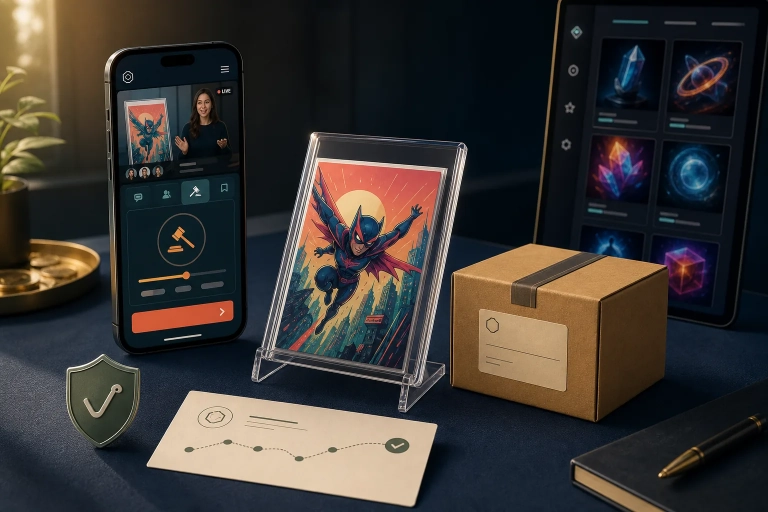
Blind Boxes are among the most exciting—and most misunderstood—formats on VeVe. Instead of buying the exact variant you picked, you participate in a Drop and only see your assigned rarity after a successful purchase or reveal.
That uncertainty is part of the appeal: a Common can be a solid start to a series, while an Ultra Rare or Secret Rare can feel like a big pull. At the same time, this random allocation is exactly where many collectors become too impulsive, buy too many additional boxes, or make poor decisions after the reveal.
TL;DR: A VeVe Blind Box is not a targeted purchase of a specific rarity. It is a Drop format with random allocation. There are four distinct phases: preparation, Waitlist or purchase, reveal, and the Market decision afterward. After the reveal, do not automatically sell, chase sets, or buy more out of disappointment. A clear framework is better: keep it, complete the set, sell strategically, or consciously do nothing.
What Is a VeVe Blind Box?
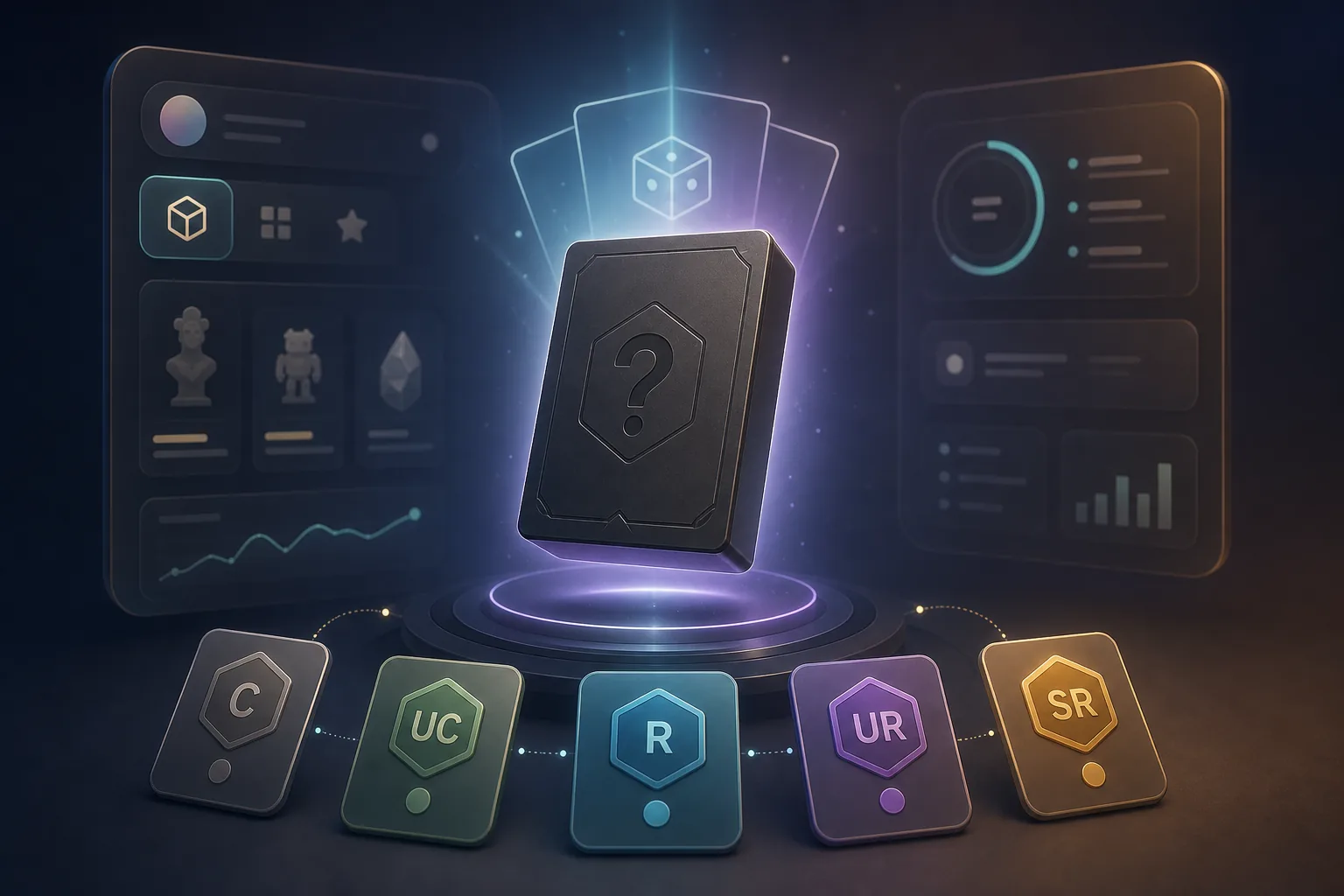
With a Blind Box, you buy a digital collectible or comic from a specific Drop without knowing for certain which rarity or variant you will receive. According to VeVe, the specific rarity in these Drops is only shown after a successful purchase. This makes Blind Boxes very different from a Market purchase, where you select a specific listing with a visible variant, price, rarity, and often a mint number.
For collectors, this means that a Drop purchase primarily gives you access to a random allocation from the announced pool. The real collecting decision begins after the reveal: Does the result fit your goals, budget, and collection?
If you are new to VeVe, start with our general VeVe Beginner’s Guide 2026. Blind Boxes may seem simple, but they combine Drop timing, Gems, rarities, the Market, and psychology in a single moment.
Blind Box vs. Direct Purchase: The Key Difference
With a direct purchase on the Market, you know what you are buying. You can see the specific collectible, its rarity, the asking price, and compare multiple listings. It is less surprising, but more predictable.
With a Blind Box, the opposite is true: The list price for the Drop is the same for every successful buyer within that format, but the outcome is not. This makes Blind Boxes more emotional and can make them especially appealing if you like the entire series rather than hoping only for one top rarity.
- Blind Box: You buy a chance at a random allocation from the Drop pool.
- Direct purchase: You buy a specific item that is already listed and visible on the Market.
- A Blind Box may be a better fit if you want to collect the Drop overall and are comfortable with the surprise.
- A direct purchase may be a better fit if you are looking for a specific rarity, variant, or mint number.
A common mistake is comparing the two formats based only on price. The real difference is their risk profile: A Blind Box involves uncertainty before the reveal, while the Market offers deliberate selection at visible market prices.
How It Works: Waitlist, Purchase, Reveal, Market
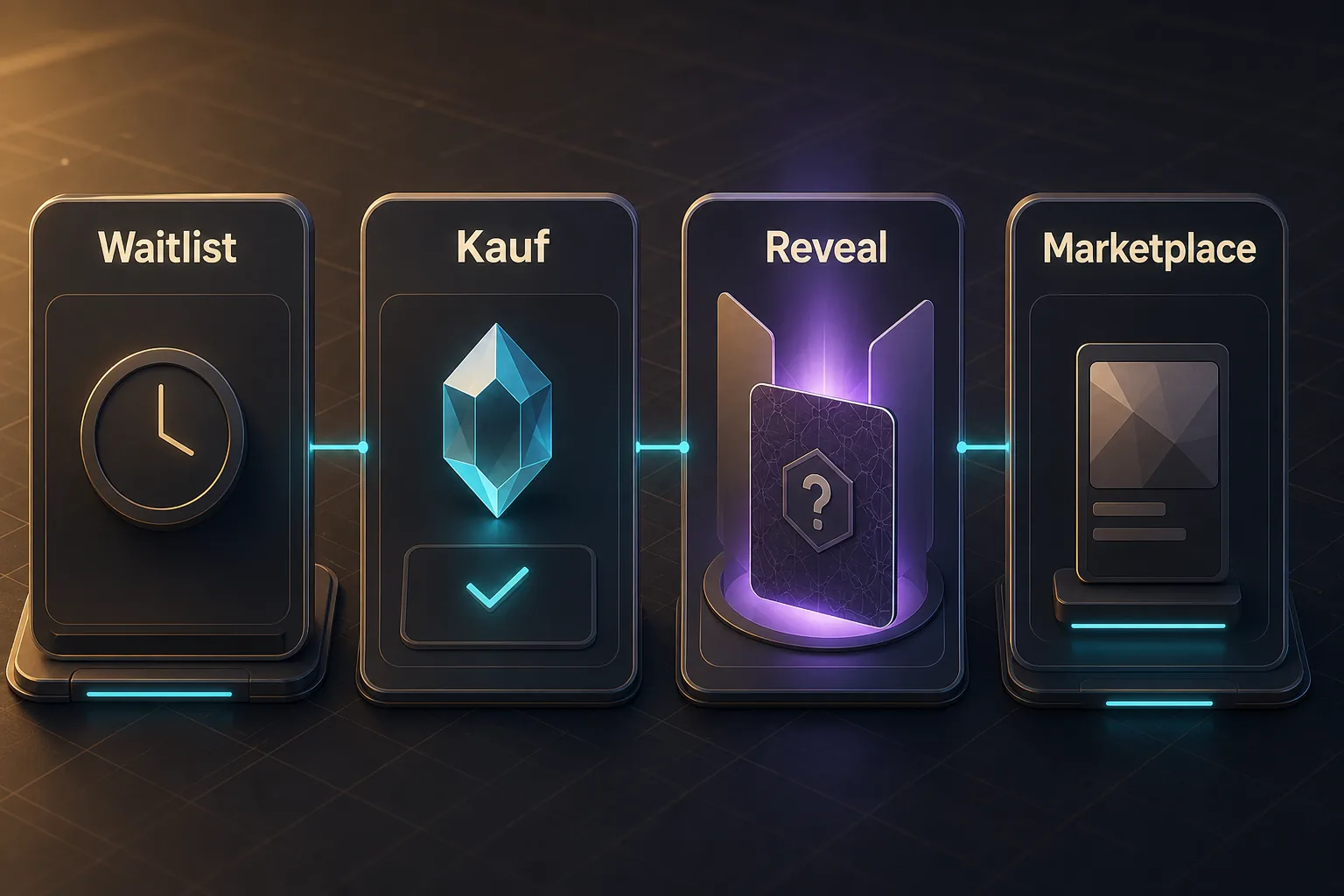
Many frustrating moments happen because collectors mix up the different phases. A Waitlist allocation is not the same as a completed purchase. A successful purchase is not the same as getting the reveal result you wanted. And a reveal does not mean you must immediately take action on the Market.
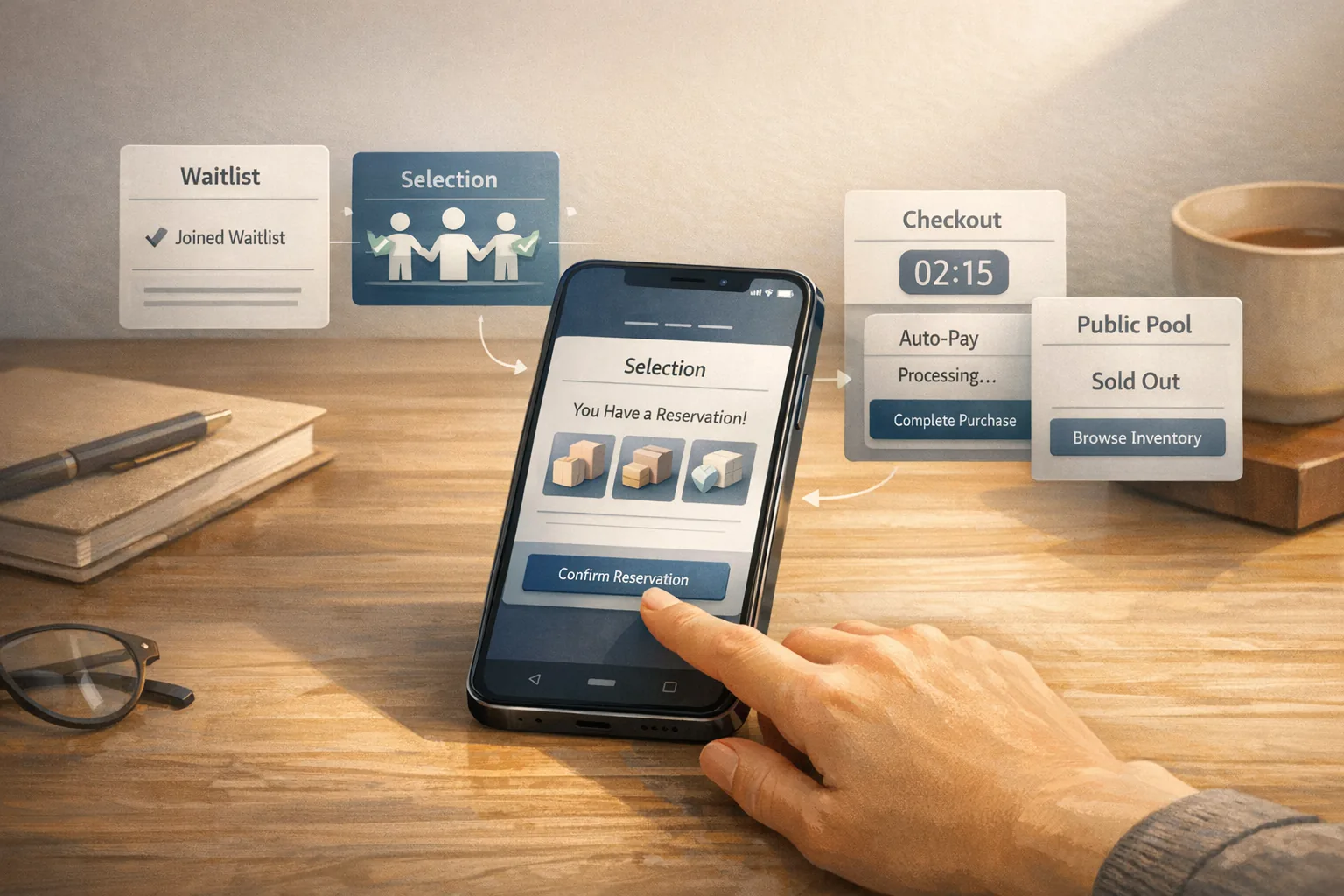
In practice, the process looks like this:
- Before the Drop: Read the official Drop page, check your Gems, have the app ready, and set a budget limit.
- Waitlist or Drop participation: You try to secure an opportunity to purchase.
- Completed purchase: You are only allocated an item once the purchase has been completed successfully.
- Reveal: You then see which rarity or variant you received.
- Market: Only now should you compare listings, gaps in your set, demand, and your own strategy.
If you want a deeper understanding of Drop mechanics, read our guide to Waitlist, Rebound, and Auto-Pay. For broader preparation in 2026, our article on VeVe Drop Strategies 2026 is also useful.
Rarities and Odds: What to Evaluate Objectively
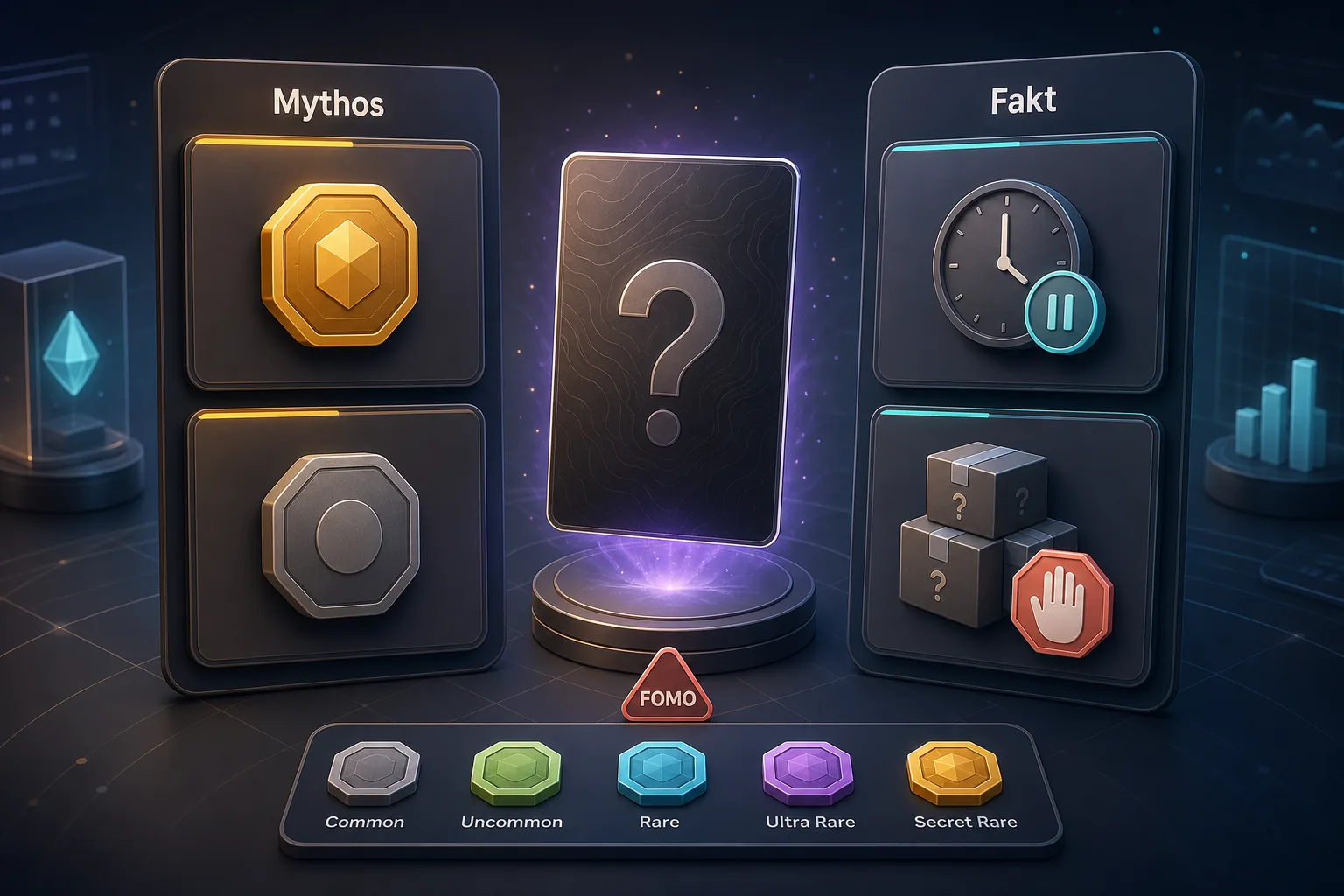
Rarities matter on VeVe, but they do not automatically represent value. Common, Uncommon, Rare, Ultra Rare, and Secret Rare initially describe an item’s classification within a Drop. Whether an item later attracts strong demand also depends on the brand, design, edition count, collector interest, relevance to a set, utility context, and market liquidity.
Before buying a Blind Box, do not focus only on the rarest variant. Instead, ask yourself: Would I also be comfortable receiving a more common variant? Do I like the overall theme? Do I want to complete the set, or am I only hoping for a big pull?
Quick Pre-Drop Checklist
- Read the Drop page: Which variants and rarities are officially listed?
- Set your budget: How many attempts fit your collecting plan without causing stress?
- Check its set relevance: Is it a standalone item, part of a series, or a potential piece of a set?
- Prepare a Market plan: After the reveal, would you buy, sell, or simply hold?
- Put the brakes on FOMO: Do not make an additional purchase just because other collectors are posting better reveals in the feed.
For terms such as FA, FE, AP, Special Edition, and mint numbers, see our overview of VeVe Edition Types and Mint Numbers. Rarity, edition type, and mint number are often confused with one another, especially with Blind Boxes.
If you do not have an account yet, do not wait until shortly before a Blind Box Drop to get started. Our VeVe Sign-Up and Starter Credit Guide explains the process step by step. When you sign up, you may receive $10 in free starter credit; this does not replace your own budget planning and is not an indication of future profits.
After the Reveal: A Decision Framework
The reveal is emotional. That is exactly why it is the worst time to make an impulsive decision. Many collectors sell too quickly out of disappointment or overpay for another item because they are only one piece away from completing a set.
Instead, use a simple decision framework without promises about numbers or returns. It does not try to predict the Market; it helps organize your actions afterward.
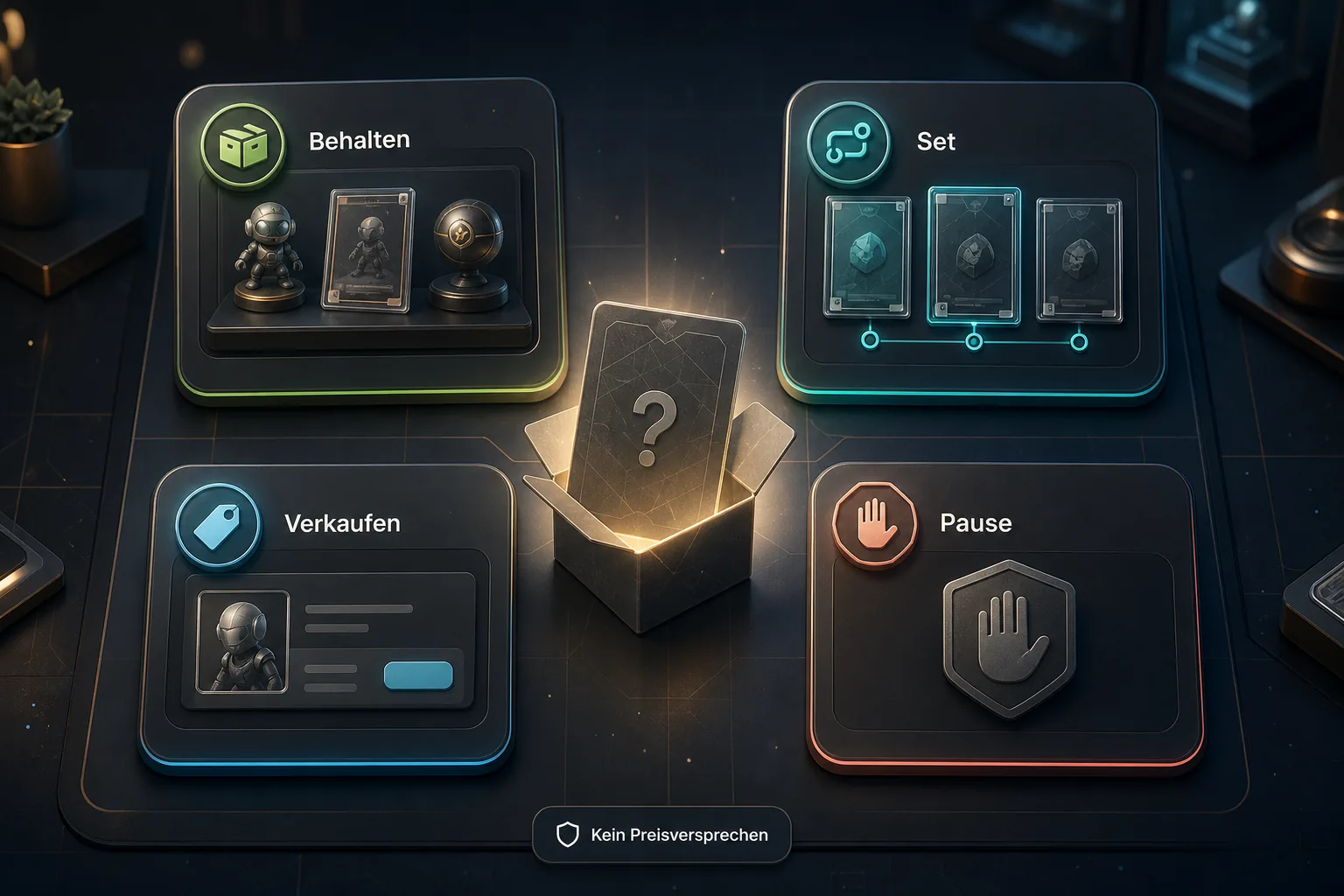
Option 1: Keep It
Keeping the item can make sense if you like it, it fits your collection’s theme, or you already collect with a longer time horizon. This also applies to Common variants. A collectible does not have to be rare to matter to your collection.
Keeping it can be especially compelling when you are not under pressure to sell. Collectors who check the floor immediately after every reveal often become more reactive, not more relaxed.
Option 2: Complete the Set
Completing the set can make sense if you like the series, the missing pieces are realistically within reach, and you are not buying only because of a potential reward. Within the VeVe ecosystem, sets may matter for your collection, its organization, and programs such as the MCP, but rules and weightings can change.
If you are interested in how sets work, also read our guide to MCP Basics 2026, Daily Points, and Sets. However, treat completing a set as a collecting goal first—not as a guaranteed return strategy.
Option 3: Sell
Selling can make sense if the item does not fit your focus, you need Gems for another Drop, or the Market currently shows sufficient demand. The visible price is not the only factor; fees, spread, and liquidity also matter.
A single floor price tells you little if there are barely any active buyers or if the gap between buying and selling expectations is wide. Learn more in our VeVe Market Guide.
Option 4: Do Not Chase
This is often the most underrated decision. If you are disappointed after the reveal, you do not have to buy another copy on the Market immediately. You can wait overnight, watch the listings, and see whether you still want it after the initial reaction passes.
The Market can feel hectic immediately after a Drop. Some prices move quickly, some listings disappear, and some sellers are simply testing the Market. Taking your time is not missed profit; it is protection against impulsive purchases.
Common Mistakes With VeVe Blind Boxes
“Secret Rare Is Always the Best Choice”
A Secret Rare is usually the rarest or one of the rarest variants within a Drop. That can make it interesting to collectors, but it does not automatically make it the best choice for every buyer. If you do not collect the brand, the floor has little liquidity, or the purchase stretches your budget too far, even a rare item may be wrong for you.
“Getting a Common Is a Bad Result”
Common does not automatically mean bad. Some Common variants have strong visuals, are central to the theme, or are more affordable for collectors who want to start a set. What matters is whether the item fits your goal.
“I Have to Act Immediately After the Reveal”
No. Acting immediately only makes sense if you already had a plan. If you only start thinking after the reveal, take your time and do not buy or sell based on the emotions of the moment.
“I Just Need Enough Attempts”
Blind Boxes are still random. More attempts do not guarantee the result you want. If you are buying only to pull a specific top rarity, you are setting yourself up against your own expectations.
Key Terms Explained
- Blind Box: A Drop format with random allocation; the specific variant is only shown after purchase.
- Reveal: The moment when you find out which collectible or variant you received.
- Rarity: The rarity tier within a Drop, such as Common through Secret Rare.
- Market: The secondary market where users can buy or sell items that have already been allocated.
- Floor: The lowest currently visible listing price; it is not a guaranteed sale value.
- Set: A complete group of related collectibles or comics, depending on VeVe’s structure.
Collector Checklist: A Calmer Approach to Your Next Blind Box Drop
- Read the full official Drop page before allocating Gems.
- Decide in advance how many purchases fit within your maximum budget.
- Accept the possibility of receiving a Common before tapping the Buy button.
- Decide whether you are a collector, a set builder, or a short-term seller.
- After the reveal, check your collection first and the Market second.
- Compare listings based not only on the floor, but also on liquidity and spread.
- Avoid off-platform deals, DMs, and supposed “reveal tricks.”
You should also understand Gems before participating in Drops. Our guide to VeVe Gems Terms covers the current rules, limitations, and common misconceptions surrounding Gems. With Blind Boxes in particular, it helps to view Gems as platform credit rather than a freely withdrawable investment account.
VeVe Blind Box FAQ
Can I Choose the Rarity Before Buying a Blind Box?
No. That is the core of the format: You do not buy a specific visible variant. After a successful purchase, you receive a random allocation from the Drop pool.
Is a Blind Box Better Than Buying on the Market?
Not necessarily. A Blind Box offers surprise and the Drop experience, while the Market offers targeted selection. For set builders and collectors with a clear wish list, the Market may sometimes be the calmer option.
What Should I Do If I Am Disappointed After the Reveal?
Do not immediately buy another one. First consider whether you can keep the item, whether completing the set is realistic, or whether selling would make sense after fees and market liquidity are taken into account.
Should I Hope for a Secret Rare From Every Blind Box?
You can hope for one, but you should not plan around it. A good Blind Box decision is one you can live with even if you receive a more common variant.
When Does Completing a Set After a Blind Box Make Sense?
When you genuinely want to collect the series, the missing pieces fit your budget, and you treat any potential MCP or event benefits only as a bonus. Do not complete sets based solely on an uncertain expectation.
Final Thoughts: Blind Boxes Are a Format, Not a Strategy
VeVe Blind Boxes make Drops more exciting by combining surprise, rarity, and collector instinct. But they are not a shortcut to profit, a guaranteed path to a top rarity, or a substitute for budget discipline.
The best approach is simple: Understand the rules and set your budget before the Drop, stay calm during the purchase, avoid impulsive decisions after the reveal, and use the Market as a tool. With that approach, a Blind Box can be what it should be for collectors: an exciting entry point into a series, not a stress test for your FOMO.
Affiliate disclosure: If you would like to try VeVe, you can sign up through our link: Sign up for VeVe with $10 in starter credit. When you register through this affiliate link, you will receive $10 in free starter credit. VeVeInsider may receive a commission; there is no additional cost to you, and you will receive the stated starter credit.
Sources