When collectors first encounter the Master Collector Program, they often think of familiar loyalty models: earn points, level up, and build status. That first impression is not wrong, but it only tells half the story.
Within VeVe, this is not just about loyalty in the traditional sense. MCP connects status with collection structure, holding behavior, set mechanics, and a ranking system that does not operate in isolation—it always reflects your position relative to other collectors.
TL;DR: Traditional loyalty programs usually reward spending or repeat behavior with points, tiers, and benefits. MCP also uses points, Levels, and status-based motivation, but it works differently: VeVe’s system of Points, Daily Asset Points, completed sets, and relative Ranks makes it more collection-driven than many familiar rewards programs. In short, it is not only about how much you do, but also what you collect, how you structure your collection, and where you stand compared with other collectors.

That is exactly why the comparison matters. Collectors who treat MCP like a standard points program can quickly fall into common misconceptions: focusing too heavily on the raw point total, paying too little attention to sets, expecting Rank to remain stable, or feeling unnecessary pressure to buy.
If you want to explore the fundamentals in more detail, our guide to the MCP Basics is the ideal companion. Here, we are focusing specifically on the difference between traditional loyalty thinking and VeVe’s collector-first approach.
Why MCP Can Be Compared With Loyalty Programs
The comparison makes sense because both systems use the same psychological drivers. They provide direction, make progress visible, and create the feeling that activity matters over the long term, not just in the moment.
In traditional programs, this may take the form of points, Silver, Gold, or Platinum status, preferred access, or other status markers. MCP brings that basic principle into VeVe’s collecting ecosystem.
- Points as a sign of progress: In both models, activity feels measurable.
- Status as motivation: People collect not only rewards, but also a visible sense of belonging.
- Tiers or Levels: The path upward is divided into stages instead of being hidden within a single score.
- The power of routine: Collectors who stay consistently active can usually build momentum more easily than those who participate only occasionally.
- Goal commitment: A clear next milestone keeps many users engaged with the system for longer.
Up to this point, MCP may feel familiar. But this is where it gets interesting, because VeVe links status not only to linear loyalty, but also to collecting decisions.
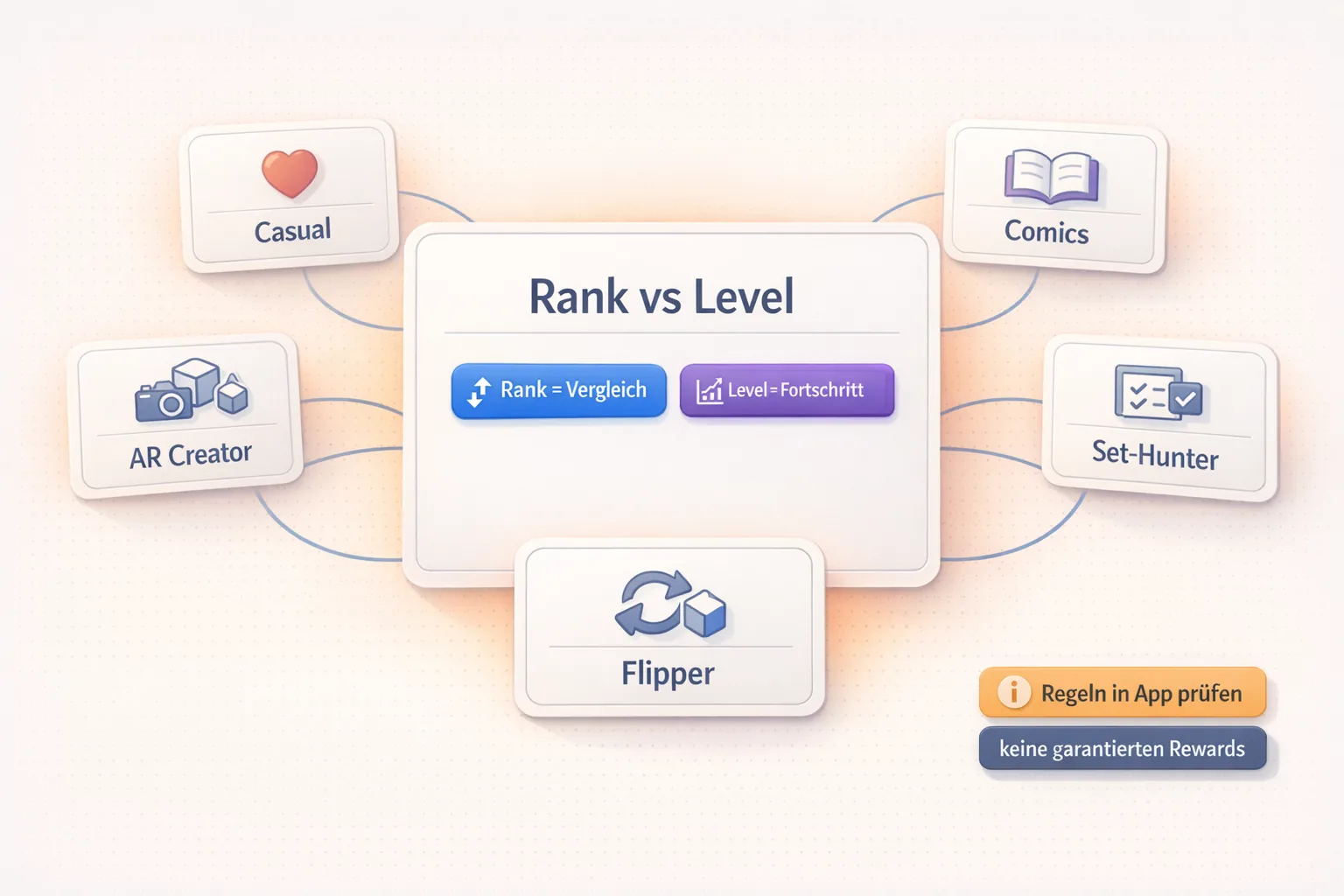
How MCP Deliberately Differs From a Traditional Rewards Program
The biggest difference is that a traditional loyalty program usually focuses first on your behavior as a customer. MCP focuses more on your behavior as a collector.
Those may sound similar, but they are different in practice. A hotel program primarily wants to know how often you book. VeVe places more emphasis on how your collection is structured, which assets you hold, and how your standing within MCP develops.
- Collection structure instead of purchase history alone: Sets and the internal logic of your collection play a much larger role in MCP than they do in standard points-and-tiers models.
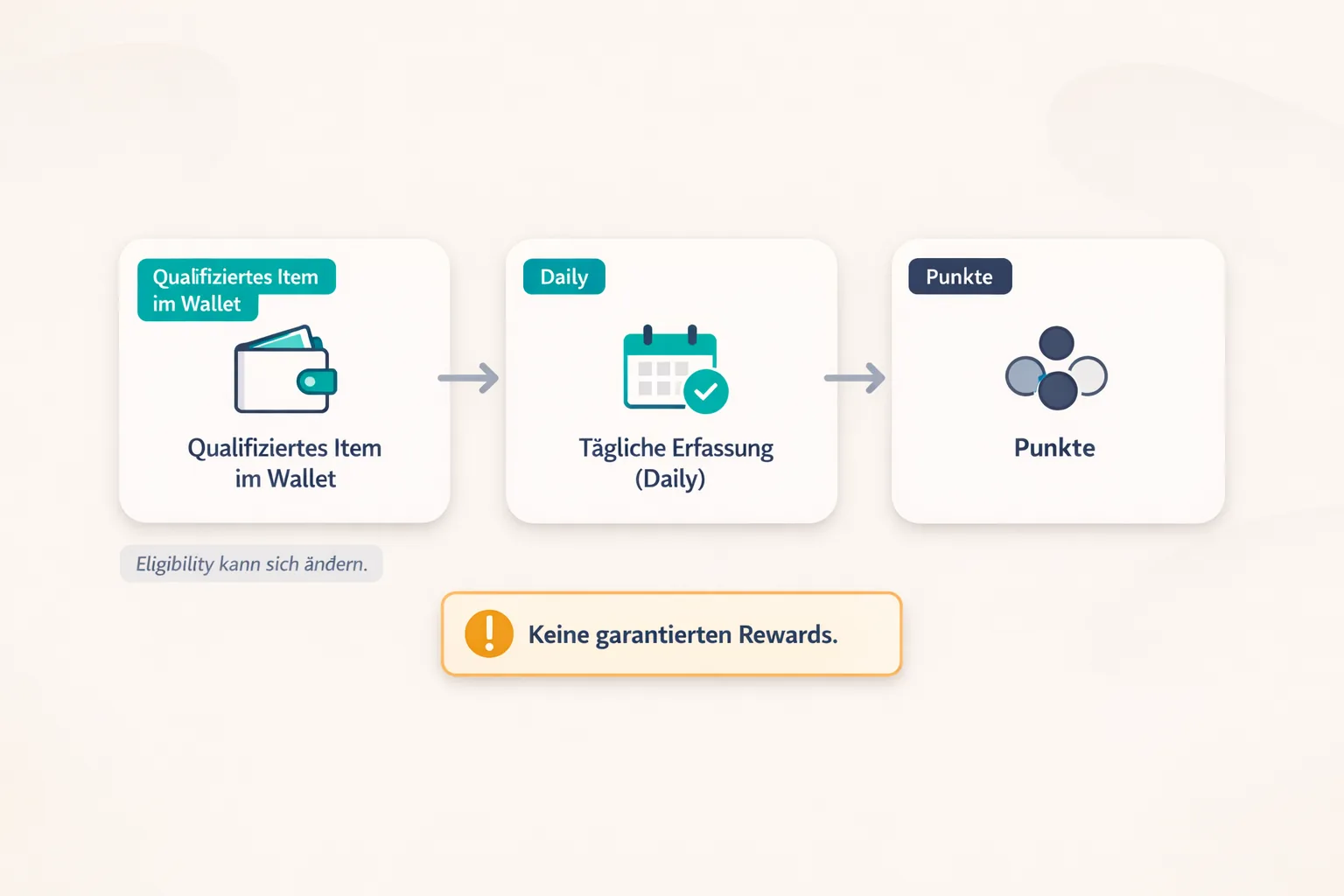
- Daily Asset Points as a holding mechanic: Traditional programs often reward the moment of purchase. At its core, MCP also rewards holding and your ongoing position as a collector.
- Relative Ranks instead of only fixed status tiers: A traditional tier often remains stable as long as you maintain the required thresholds. An MCP Rank is more relative because other collectors are active too.
- Set effects as a collecting mechanic: Completing a set carries a different weight within VeVe than it does in many mainstream loyalty programs.
- Status is more closely tied to collector identity: MCP feels less like a discount program and more like a reflection of your collector profile.
The relative nature of Rank is especially easy to underestimate. In a traditional program, reaching a threshold is often enough. In MCP, your position can change even if you have done nothing wrong, simply because other collectors are pushing harder, completing sets, or restructuring their inventories.

That makes MCP more dynamic, but also more demanding. It is less about unlocking something once and more about continually understanding how your own progress compares with the community.
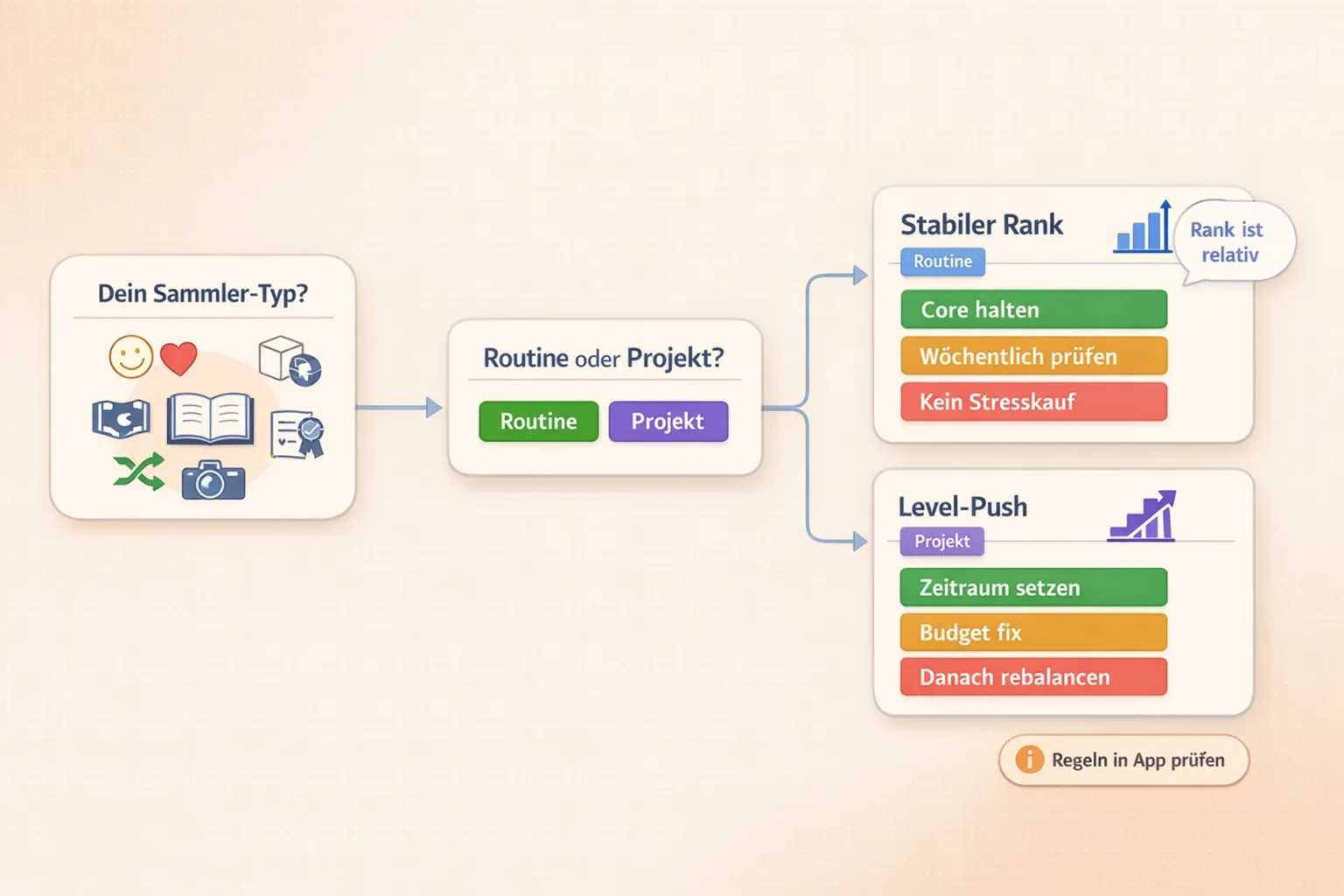
Quick Start: Which MCP Goal Fits You?
Before focusing on Points, Rank, or your next Level, you need a goal that fits your collector type. This is where many collectors go wrong: they copy someone else’s strategy instead of defining their own priorities.
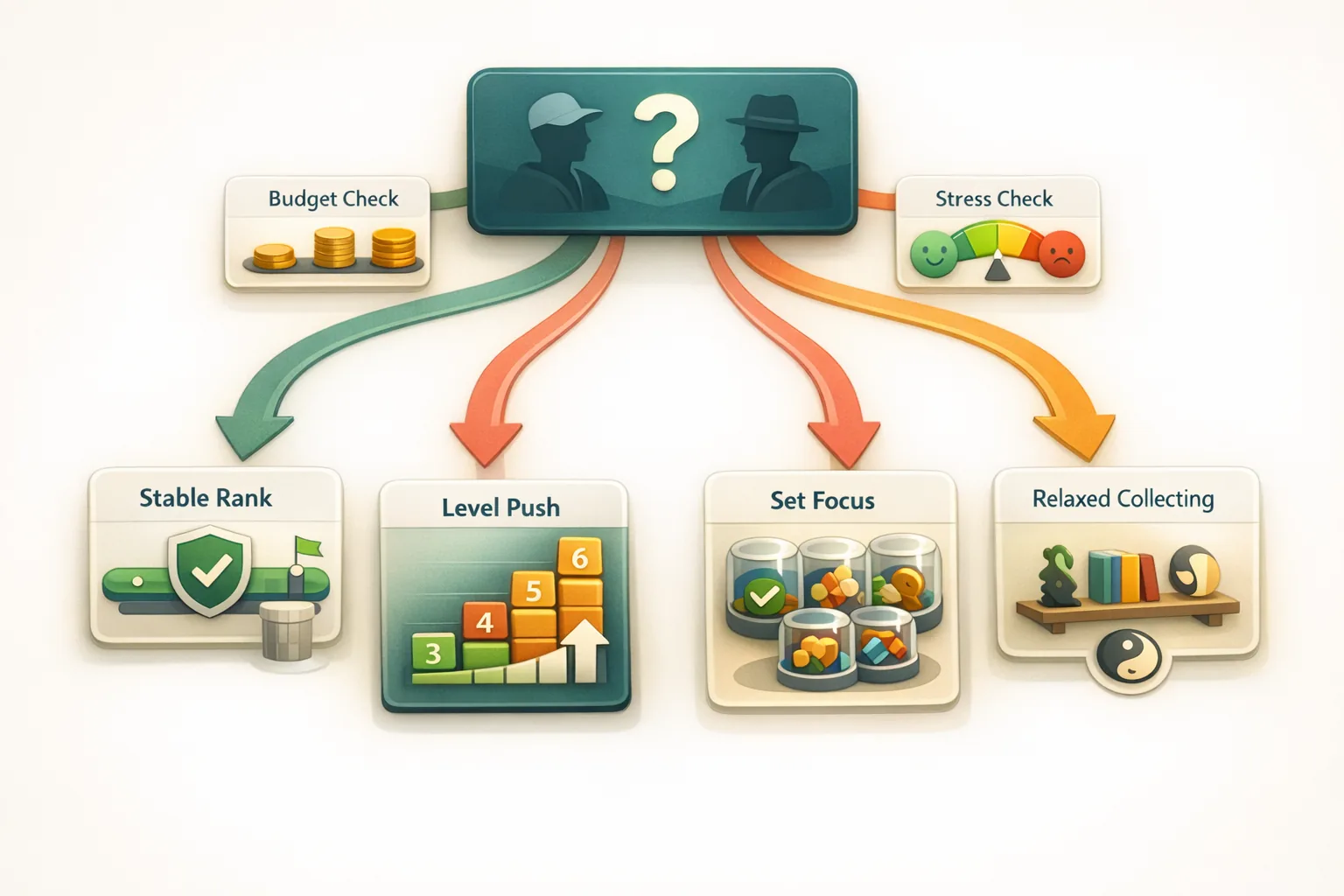
- Step 1: Be honest about what you truly enjoy on VeVe. Do you chase completed sets, individual favorites, comics, or iconic premium collectibles?
- Step 2: Separate your status goal from your collecting goal. An ambitious MCP goal is not automatically the same as building a collection you will still be proud of six months from now.
- Step 3: Decide whether you want a stable Rank or a targeted Level push. There is a difference because a routine and a project-based approach are not the same thing.
- Step 4: Consider whether sets make organic sense for you or merely look like a way to accelerate your Points. A set you do not genuinely want to hold can later feel like a burden.
- Step 5: Account for your budget and frustration tolerance. Relative Ranks can be motivating, but they can also create unnecessary pressure.
- Step 6: Establish a simple review routine. If you want to approach MCP seriously, regularly assess what still belongs in your core collection and what you bought only because of momentum.
If you want to structure this process more clearly, our guides to Ranks and Levels in MCP and the differences between comics and collectibles can help. Both affect whether a particular MCP goal makes sense for you in the first place.
New to VeVe? According to the current signup credit guide, if you register through our link at no extra cost to you, you will receive $10 in free signup credit.
Which MCP Goals Fit Each Collector Type?
The Relaxed Holder
Do you collect slowly, buy selectively, and want to avoid constant stress? If so, maintaining a stable and realistic MCP standing usually makes more sense than aggressive push periods. Your goal is not maximum visibility, but a well-defined core collection.
For this collector type, clear favorite lines, a few strong sets, and a steady routine usually work better than frantic buying.
The Set Hunter
If completion motivates you, MCP is almost automatically worth exploring. VeVe places much more emphasis on collecting mechanics than many traditional programs, and that is where the Set Hunter’s strengths come into play.
The key is not to treat every set as a mandatory project. Good Set Hunters deliberately choose the series they also feel emotionally invested in.
The Status-Focused Collector
Do you enjoy progress bars, clear goals, and the feeling of working your way up within a system? If so, Level goals and time-limited push periods may suit you well.
However, MCP requires more thought than a simple tier program. Collectors who focus only on visibility often overlook whether their collection will still feel cohesive over the long term.
The Market-Active Collector
Do you monitor listings, liquidity, and timing more closely than most collectors? MCP can work for you, but perhaps not in the way you expect. Market activity alone is not automatically the center of the system.
For this collector type, it is important to take a level-headed look at the VeVe Marketplace Guide. Otherwise, a collecting strategy can quickly turn into constant reactions to the floor price, spreads, and hype.
The Comic or Niche Collector
Not everyone wants the biggest Vault showpieces. Some collectors prefer to build focused comic or themed collections. That can also make sense within MCP when the structure is chosen intentionally.
This is especially true here: the loudest collection does not automatically win—often, the most consistent one does.
Collector Checklist
- I know my primary goal: a stable Rank, a Level push, a set focus, or relaxed collecting.
- I do not confuse Points with guaranteed benefits.
- I evaluate sets for their collecting value first and their MCP utility second.
- I do not plan purchases without considering fees, liquidity, and how long I intend to hold.
- I accept that a relative Rank can fluctuate.
- I do not buy solely out of FOMO just because other collectors are currently pushing.
- I review my core collection regularly and rebalance when necessary.
If you want a clearer picture of the costs involved in these decisions, our overview of VeVe fees can also help. A Points boost only makes sense if it is planned within your budget.
Key Terms Explained
- MCP: VeVe’s Master Collector Program, a collection-based status and progression system.
- Points: Points within MCP that help shape your progress and development in the program.
- Daily Asset Points: A Points mechanic tied to holding eligible assets, rather than only to the moment of purchase.
- Level: Your stage of progress within the MCP structure, comparable to a development milestone.
- Rank: Your position relative to other collectors, rather than a metric that exists entirely on its own.
- Set: A completed group of related collectibles or comics that may be relevant both to collectors and within MCP.
- Rebalancing: Deliberately adjusting your collection when your goals, budget, or priorities no longer align.
Common Mistakes to Avoid
- Treating MCP like cashback: The system is not a simple rebate mechanism and should not be viewed as one.
- Looking only at raw Points: Without considering sets, holding periods, and Rank dynamics, important context is missing.
- Optimizing every collectible for status: Not every great piece needs to be part of an MCP optimization strategy.
- Treating a relative Rank as permanent: Your position is not a frozen reward.
- Buying sets that do not fit you just for their effects: If a set does not suit you, the poor fit may become more noticeable over time than the short-term boost.
- Confusing FOMO with strategy: Just because the community is discussing a goal does not mean it should be your goal.
- Ignoring costs and Market behavior: Focusing only on MCP can make it easy to overlook the realities of collecting, including Gems, fees, and liquidity.
When it comes to Gems, it is also worth taking a level-headed look at why Gems are often more complicated than they first appear. This can help prevent inaccurate cost assumptions from driving your status goals.
What Collectors Should Take Away From This Comparison
Traditional loyalty programs often say: spend money, stay active, and reach the next threshold. MCP is more like: build a collection with structure, hold intentionally, understand Levels, and accept that Rank is a living comparison.
That does not automatically make VeVe better or worse. It simply makes the system different. Some collectors find that more engaging because the collection itself takes center stage. Others find it more demanding because it is less linear than a standard rewards program.
The best question, therefore, is not: How can I earn the maximum number of MCP Points? Instead, ask: Which MCP goal supports my collecting style without distorting it? Once you can answer that clearly, MCP becomes a useful tool rather than an abstract status system.
FAQ
Is MCP Just a Loyalty Program in NFT Form?
Not exactly. The basic concept of Points, Levels, and motivation is similar, but MCP is more closely tied to collection structure, holding behavior, and relative comparisons than many traditional programs.
What Is the Biggest Difference From Standard Tiers Like Silver or Gold?
Standard tiers are often tied to clearly defined thresholds. MCP also has a progression structure, but relative Ranks and collection-based factors make the system more dynamic and less static.
Who Benefits Most From MCP?
Primarily collectors who structure their collections intentionally, choose sets thoughtfully, and view their collection as more than a series of spontaneous individual purchases. Collectors who buy purely on impulse may find it harder to understand the value.
Should I Collect Only for MCP?
No. MCP should support your collecting, not dominate it. If the program pulls you away from the pieces you genuinely love, your goal is probably not the right fit.
Are Sets Always the Best MCP Strategy?
No. Sets can be powerful, but only when they fit your profile, budget, and holding approach. A set that does not suit you remains a poor fit even if it looks appealing on paper.
Why Does Rank Stress Some Collectors More Than Level?
Because Level feels more like personal progress, while Rank always carries a comparison with other collectors. That relative component can be motivating, but it can also create unnecessary pressure.
New to VeVe? According to the current signup credit guide, if you register through our affiliate link at no extra cost to you, you will receive $10 in free signup credit.
Sign Up for VeVe With Signup Credit
Disclosure: Affiliate link (we may receive a commission at no extra cost to you.)