In the VeVe ecosystem, OMI can quickly sound like the key to major Web3 utility: tokens, NFTs, marketplaces, burns, Gems, self-custody, interoperability. But collectors do not need a list of buzzwords. They need an answer to a much simpler question: What can I actually do with it today without getting sidetracked by price talk, speculation, or unnecessary risk?
This reality check takes a practical, everyday look at OMI. It is not about whether OMI could rise or fall. It is about which features are usable within the VeVe and ECOMI ecosystem, where friction occurs, and which use cases are not yet as practical as community discussions sometimes make them sound.
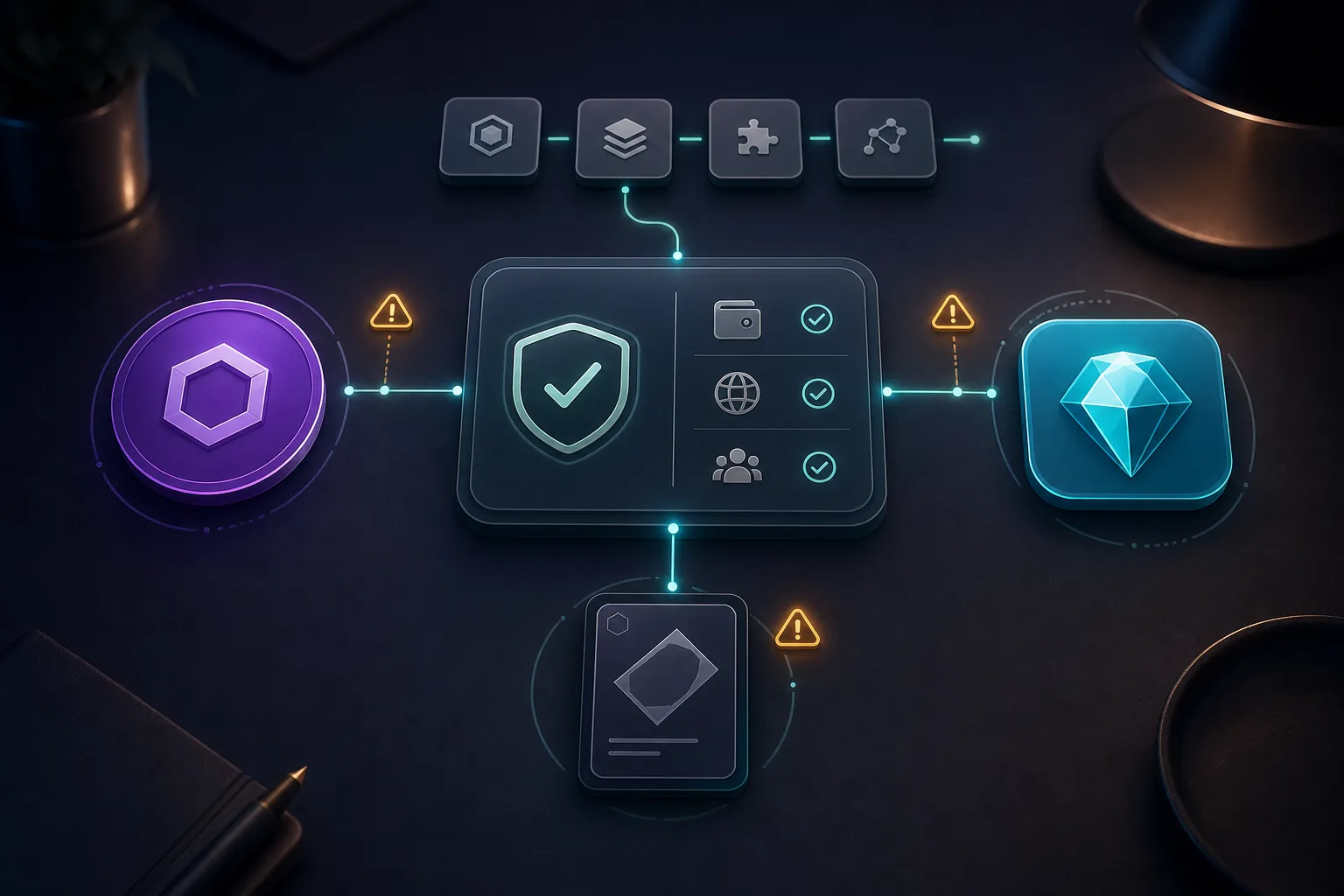
TL;DR: The most tangible OMI use case for VeVe collectors right now is through StackR, particularly using OMI in connection with Gems and collectibles. Security and fees also matter in practice because every transfer, wallet connection, and purchase path can introduce potential errors. Broader concepts such as unrestricted NFT trading, immediate self-custody, or universal metaverse utility are only useful when supported by specific features, official rules, and clear user interfaces.
The Key Distinction: Utility Is Not the Same as Hype
In crypto, utility is often defined very broadly. A token is said to have utility if it could eventually be used for trading, rewards, governance, access, fees, burns, or games. For collectors, that definition is too vague.
A collector-first approach means a use case only becomes truly relevant when you can use it meaningfully with your account, wallet, collectibles, and budget. That requires clear prerequisites, understandable steps, transparent fees, and an official support path if something goes wrong.
A useful OMI use case should therefore answer at least three questions: What can I do? What will the process cost me in time, fees, and risk? And what happens if I make a typo, choose the wrong network, or click a fake link?
What Matters in Practice Today
1. Converting OMI to Gems Through StackR
The most obvious everyday use is converting OMI to Gems through StackR. VeVe describes Gems as an in-app mechanism for buying and selling digital products within the app. At the same time, under VeVe’s current rules, Gems are not treated like withdrawable cash and are instead tied to use within the system.
For collectors, this means OMI can provide a way to bring budget into the VeVe collecting ecosystem. The practical value is not a promise of trading profits. It is that you can then use Gems to buy collectibles or comics within VeVe.
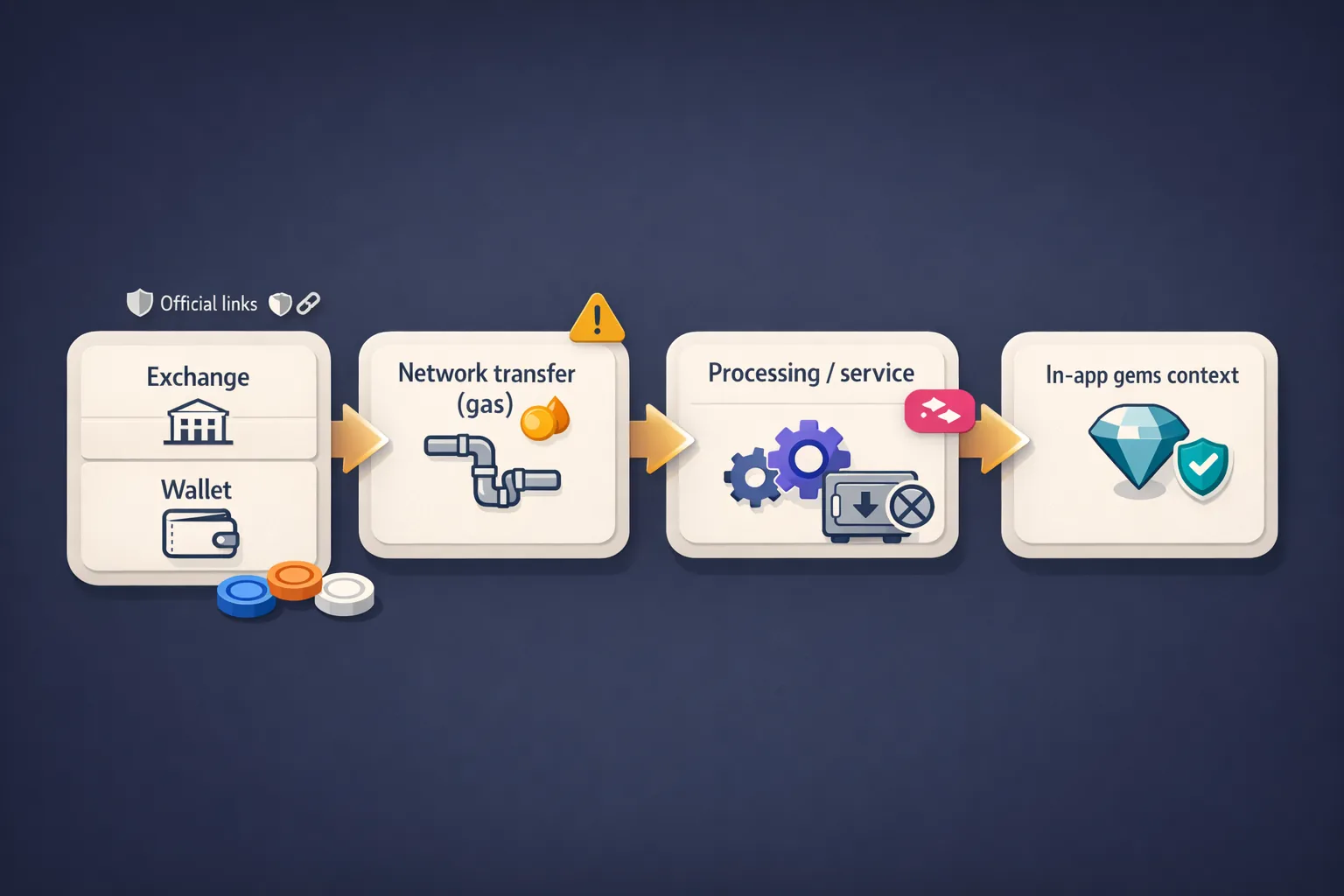
If you want to explore this route, do not start with a large amount. First, read the basics of converting OMI to Gems through StackR, then compare them with the current information in the app and on the official StackR and VeVe websites.
2. OMI as a Separate Path Alongside the Traditional VeVe Market
For collectors, VeVe and StackR are not the same interface with a different color scheme. From a user perspective, the VeVe Market primarily operates with Gems, while StackR is described as a separate utility path built around OMI. This can lead to different processes, perceptions of price, and decision points.
Importantly, two paths do not automatically mean better liquidity or cheaper purchases. It simply means you need to distinguish clearly between where you are, which currency or token system is being used, and which rules apply to that specific purchase.
That is exactly why it is worth reviewing VeVe Market vs. StackR before making any comparison. The article helps explain why different floor price displays should not automatically be viewed as an arbitrage opportunity.
3. Gems Are Part of Everyday Collecting, but They Are Not a Bank Account
Gems are highly relevant to everyday collecting because they are VeVe’s primary purchase mechanism. At the same time, this is where some of the greatest friction arises: Many users intuitively view a visible Gem balance as withdrawable money. VeVe’s current Terms define it much more narrowly.
This distinction is essential for collectors. When you convert OMI to Gems or purchase Gems, you are essentially allocating collecting budget for use within the VeVe ecosystem. That is different from having a freely accessible payment or withdrawal account.
For more context on the rules governing Gems, read the guide to VeVe Gems and the closed-loop system, along with the overview of withdrawals after November 19, 2025.
Quick Start: What Can I Actually Do Today?
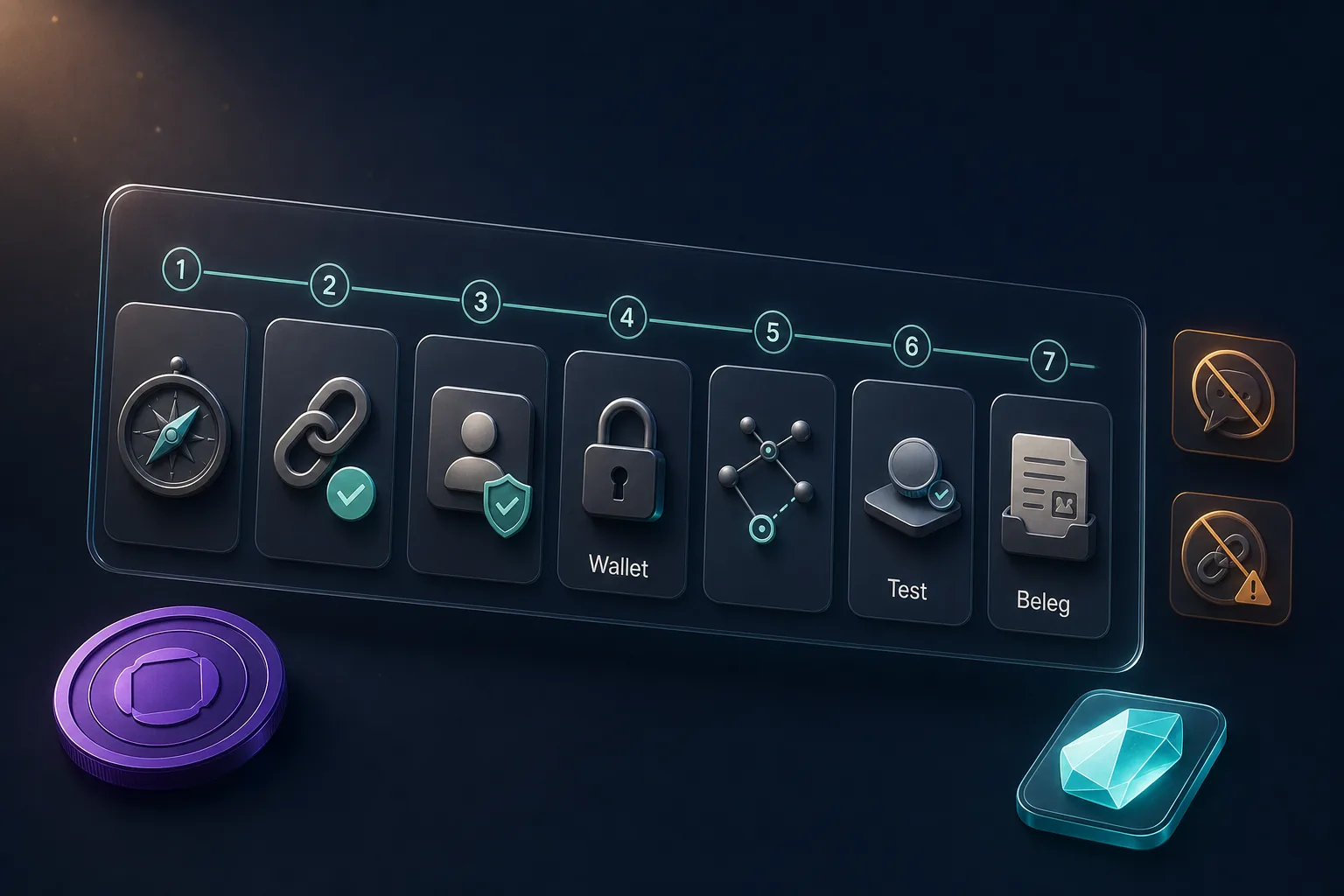
If you want to understand OMI beyond the theory, a methodical process helps. The goal is not to click through as quickly as possible, but to eliminate common mistakes before you begin.
- 1. Define your goal: Do you want to use OMI to convert collecting budget into Gems, or do you only want to understand how the process works?
- 2. Verify official channels: Do not use links from direct messages, screenshots, or comment sections. Go through official VeVe and StackR channels.
- 3. Check your account status: Make sure your login, KYC status, email access, 2FA, and device security are all in order before starting any OMI or Gem process.
- 4. Confirm the network and wallet: Do not confuse networks, and never copy addresses from old notes without verifying them again.
- 5. Test first: If a transfer path is new to you, think in terms of test amounts rather than maximum amounts.
- 6. Save your records: Screenshots, transaction details, and confirmations can be valuable if you need support.
For more foundational guidance, see the StackR setup for VeVe and OMI. New collectors may also find the general VeVe beginner’s guide useful before planning any larger OMI or Gem transactions.
If you are new to VeVe, start small and take your time rather than rushing. Our VeVe sign-up and starter credit guide explains how to get started; new sign-ups currently receive $10 in free starter credit. This is not a promise of returns, but a practical starting point for trying the platform.
Where Collectors Encounter Real Friction
Fees: More Than a Minor Footnote
OMI and NFT use cases can involve costs at several points. These may include network fees, platform fees, marketplace fees, differences between payment methods, or spread effects. Looking only at the visible final amount gives you an incomplete picture of the transaction.
This is especially important when moving between OMI, Gems, the Store, the Market, and StackR. The relevant figure is not the most appealing screenshot, but what you actually receive after fees, wait times, and risk are taken into account.
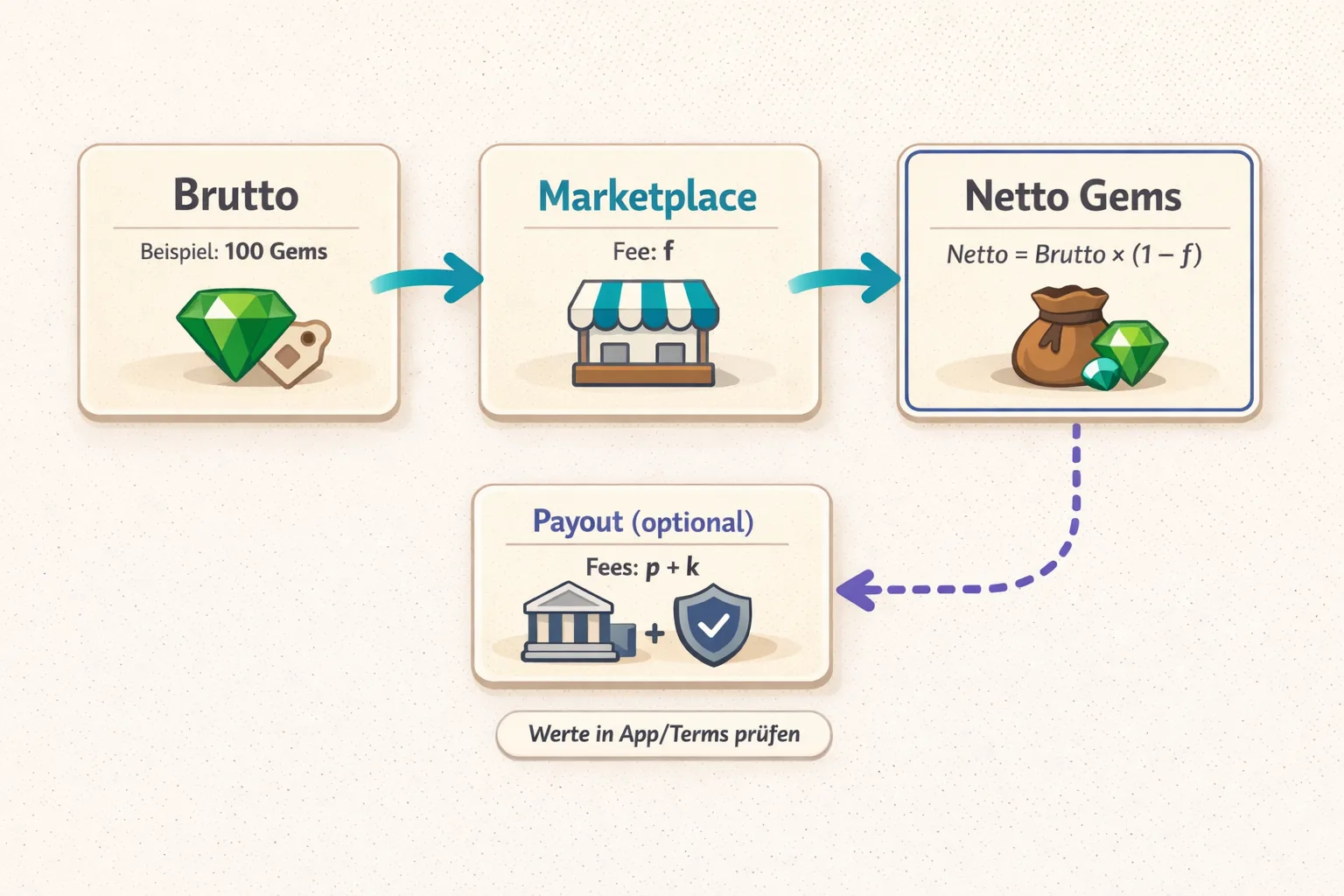
For a broader overview, see the guide to VeVe fees and costs. It does not focus on price predictions, but on the decision-making approach that can help collectors avoid mistakes.
UX: Even the Best Use Case Has Limited Value if the Process Is Confusing
A use case can technically exist and still be cumbersome in practice. When users have to jump between the app, web, a wallet, StackR, email, KYC, and support, the likelihood of errors increases. This is not unique to VeVe; it is a common source of friction in Web3.
Collectors should therefore ask more than whether a feature exists. The better question is: Can I use it consistently, securely, and with confidence?
Security: The Biggest Loss Often Happens Before the Purchase
Fake links, incorrect networks, and social engineering attacks are real risks when dealing with OMI, wallets, and NFT transfers. Situations where a supposed support account applies pressure or offers immediate help through direct messages are particularly dangerous.
The simple rule: For security-sensitive actions, use official links only. Never share seed phrases or recovery codes, and never connect a wallet through links sent in DMs. If an offer is urgent, secret, or only accessible through a private link, caution matters more than curiosity.
For a security primer, read Custody vs. Self-Custody. It explains why greater control always comes with greater responsibility.
Which Use Cases Often Sound Bigger Than They Are Today?
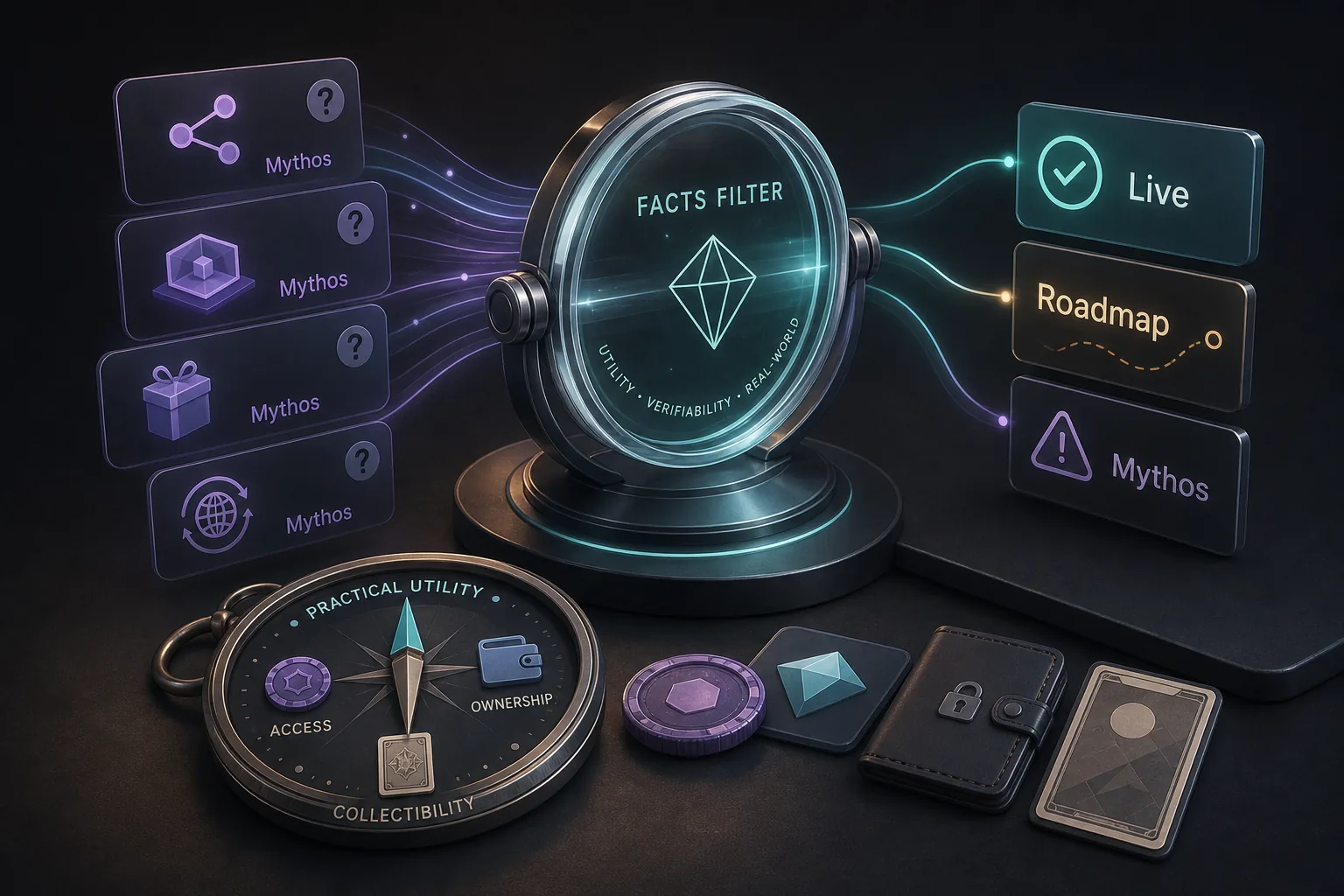
“All VeVe NFTs Will Be Tradable Everywhere”
That sounds appealing, but it is too broad as a blanket statement. Tradability depends not only on a blockchain, but also on licensing rights, platform rules, approved marketplaces, technical permissions, and the user experience.
An NFT is not automatically practical, permitted, or liquid on every marketplace simply because it is technically associated with a token. For a deeper look, read the myth check on the tradability of VeVe NFTs.
“OMI Will Power Everything in the VeVeVerse”
Metaverse utility is a classic example of a concept that can quickly sound bigger than the current product reality. Virtual spaces, showcases, interactions, and digital identity may be exciting. But for everyday collectors, what matters is the availability of specific features, clear access points, and official rules.
Until a feature is available or clearly defined, it should not be the basis of a collecting decision. You can monitor it, but you should not plan around it as if it were already part of your daily routine.
For a cautious overview, see the VeVeVerse guide.
“Burns and Rewards Automatically Make Every Collectible More Valuable”
Burns, crafting, and rewards can change the supply and utility dynamics of a collectible. That does not automatically make every outcome better for collectors or more financially attractive. In some cases, you burn an item, pay additional Gems, or commit to a limited event window.
The right reality check is: Do I understand the requirements, what will be consumed, the result, and the alternative of keeping the original collectible? If not, waiting is often the better decision.
For more on this framework, see the overview of crafting and burn mechanics.
Roadmap or Usable Today? A Simple Decision Framework
Many discussions around OMI blend live features, announced features, and community expectations. That is exactly where false assumptions begin. A feature is not live simply because it is mentioned frequently.
Use three categories when assessing a feature:
- Usable today: You can use the feature with your current account through official channels and under clearly defined rules.
- Officially announced or in development: There is credible official communication, but the details, timeline, or scope may change.
- Community expectation: The idea may sound plausible, but without a specific implementation, it is not yet a tool collectors can use.
This distinction is particularly important for chain, wallet, and self-custody topics. For more context, read Collect Chain: confirmed vs. speculation and the outlook on self-custody expectations, risks, and opportunities.
Collector Checklist: What to Review Before Any OMI Use Case
- Is the use case officially documented? If you only know about it from posts, DMs, or rumors, stop.
- What direction does the transaction take? OMI to Gems, OMI to a collectible, a collectible to Gems, or another path?
- Which fees might apply? Consider network, platform, marketplace, payment method, and spread.
- Which rules apply to the result? Gems, collectibles, and external tokens do not follow the same legal and technical framework.
- Can you document the transaction? Screenshots and transaction data can help if support is needed.
- What is your backup plan? If the transaction stalls, a transfer takes longer than expected, or a feature is unavailable in your region, you should not have to improvise.
Key Terms Explained
OMI
OMI is the token from the ECOMI ecosystem. Within the VeVe context, it becomes particularly relevant through utility paths such as StackR. For a general overview, see the OMI Token Guide.
Gems
Gems are the primary in-app mechanism for purchases and sales within the VeVe ecosystem. They should not be confused with withdrawable cash, a bank balance, or freely transferable cryptocurrency.
StackR
Within the VeVe and OMI ecosystem, StackR is a separate path that makes OMI utility more tangible. Collectors should understand that StackR is not simply another name for the VeVe Market.
Burn
In simple terms, a burn means that a digital asset can be permanently removed from a specific supply through a particular mechanic. The official rules of the specific event always determine how it works.
Common Mistakes to Avoid
Mistake 1: Confusing OMI utility with an investment thesis. This article covers use, not price performance. A practical use case is not a promise of profit.
Mistake 2: Treating Gems like cash. Gems are important within VeVe, but under the current rules, they are closely tied to use on the platform.
Mistake 3: Approving a wallet connection too quickly. Acting under time pressure during wallet or transfer processes makes network, address, and phishing mistakes more likely.
Mistake 4: Treating the roadmap like a live feature. Promising developments may become relevant. For decisions today, however, only available features and specific rules count.
Mistake 5: Looking only at the floor price. Collectors should also consider rights, licensing context, edition, personal relevance, liquidity, fees, and utility. For a useful framework, see What makes a digital collectible worth collecting?.
FAQ
Can I Use OMI to Buy Any VeVe Collectible Directly Today?
Not across every interface, and not without considering the specific path. The key question is whether you are using the VeVe Market, StackR, or another official process.
Is Converting OMI to Gems a Substitute for a Payout?
No. OMI to Gems is a utility path that moves value toward a VeVe collecting budget. It is not the same as a traditional payout that converts Gems into fiat currency.
Are Gems Cryptocurrency?
VeVe’s current Terms do not describe Gems as a cryptoasset or blockchain token. For users, Gems primarily function as an internal platform mechanism for digital products.
Which OMI Use Cases Should I Ignore?
Ignore anything that relies on private links, supposed support DMs, guaranteed profits, or pressure tactics. You can monitor roadmap topics, but you should only take action through official, verifiable channels.
What Is the Best First Step?
Start by understanding Gems, StackR, fees, and security. Then use small test amounts to determine whether the OMI path makes sense for your personal collecting routine.
Conclusion: OMI Is Useful When the Use Case Fits Your Collecting Routine
The reality check is mixed, but not negative. OMI has practical touchpoints within the VeVe ecosystem, particularly through StackR and the route to Gems. At the same time, using it is not automatically simple, free, or risk-free.
The best approach for collectors is a measured one: Use live features deliberately, document important steps, review fees, and treat roadmap concepts as a watchlist. That keeps OMI grounded as a tool for everyday collecting rather than a blank canvas for expectations that do not yet have a specific function.
If you want to try VeVe, use official channels only and start with a clear budget. When you sign up through our affiliate link, you will receive $10 in free starter credit: Sign up for VeVe with $10 in starter credit. Disclosure: VeVeInsider may receive a commission; there is no additional cost to you, and you will receive the stated free starter credit.
Sources